
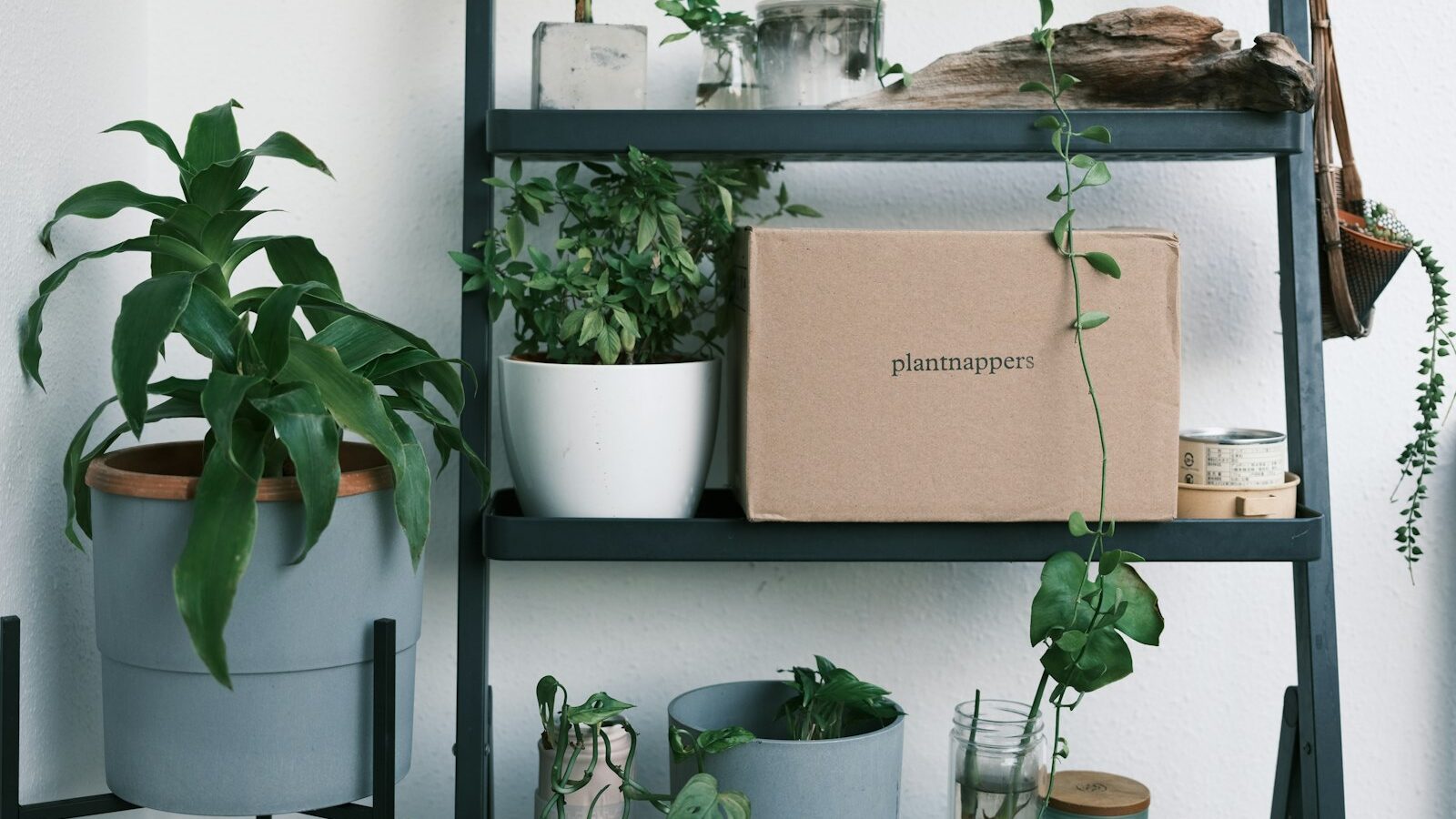
Bringing greenery into your home is one of the simplest ways to make it feel calmer, fresher and more alive. In Singapore’s tropical climate, many plants thrive with minimal fuss, and even a compact flat can host a lush little garden. This guide covers indoor plants and home gardening for local homes.
Why grow plants at home
Plants do more than look good. They bring a sense of calm and nature into the home, can improve the feel and air of a space, and offer a rewarding, relaxing hobby. In a dense, urban environment, a bit of greenery indoors or on a balcony provides a welcome connection to nature. Gardening, even on a small scale, can be therapeutic and satisfying, and growing your own herbs or edibles adds a practical bonus. For renters and owners alike, plants are an easy, affordable way to personalise and enliven a home, and Singapore’s climate makes many of them easy to grow.
Easy plants for beginners
| Plant type | Why it suits beginners |
|---|---|
| Hardy foliage plants | Tolerant and low-maintenance |
| Snake plant and similar | Thrive with little attention |
| Pothos and trailing plants | Forgiving and easy to propagate |
| Herbs | Useful and rewarding to grow |
| Tropical plants | Well-suited to the local climate |
For beginners, hardy, low-maintenance plants are the way to start. Many tolerant foliage and trailing plants thrive indoors with minimal care, forgiving the occasional missed watering. Starting with easy plants builds confidence before moving on to more demanding varieties. The tropical climate suits many plants naturally, so beginners have plenty of forgiving options to choose from as they discover their green thumb.
Growing herbs and edibles
Growing herbs and edibles is a rewarding step for many home gardeners, and it works well in Singapore’s climate. Common herbs and some vegetables can be grown in pots on a balcony, corridor or sunny spot, providing fresh flavours for your cooking. Growing your own edibles is satisfying, reduces waste, and connects you to your food. Start with easy, useful herbs, and expand as you gain experience. Even without a garden, a few pots of herbs can supply your kitchen and bring the pleasure of growing something you can eat, right at home.
Caring for plants in a flat
Caring for plants in a compact flat requires attention to a few basics. Light is key, so match plants to the light your home receives, choosing low-light-tolerant plants for darker spots and sun-lovers for bright balconies. Watering appropriately, neither too much nor too little, is the most common challenge, and understanding each plant’s needs helps. Good drainage prevents root rot, important in a humid climate. Grouping plants, using suitable pots, and occasional feeding all support healthy growth. Observing your plants and adjusting care as needed is the key to keeping them thriving in a home setting.
Greening a small space
- Use vertical space, with hanging plants, shelves and wall planters.
- Choose compact plants, suited to limited space.
- Make use of balconies and corridors, where allowed and appropriate.
- Match plants to light, placing them where they will thrive.
- Start small, building your collection gradually.
Even the most compact home can accommodate greenery with a little creativity. Vertical gardening and well-chosen compact plants let you enjoy a lush, green space without needing a garden, bringing nature into flats of any size.
The takeaway
Indoor plants and home gardening are a wonderful, accessible way to bring calm, freshness and a touch of nature into your Singapore home, and the tropical climate makes many plants easy to grow. Start with hardy, low-maintenance varieties to build confidence, consider growing herbs and edibles for a practical bonus, and learn the basics of light, watering and drainage to keep plants healthy in a flat. Use vertical space and compact plants to green even small homes. Whether for the calm, the hobby or the fresh herbs, cultivating plants at home is a rewarding and enriching pursuit.
Common mistakes to avoid
Most plant problems in local homes come down to a handful of avoidable habits, and knowing them in advance saves a lot of disappointment. The single most frequent culprit is overwatering. It is tempting to reach for the watering can whenever the soil looks a little dry on top, but many hardy plants prefer to dry out between drinks, and constantly soggy roots quickly lead to rot in our humid conditions. Feel the soil an inch below the surface before watering, and always use pots with drainage holes.
There is also a distinctly Singaporean pitfall worth flagging: standing water in pot trays and saucers can become a breeding ground for the Aedes mosquito. To play your part in dengue prevention, tip out any collected water regularly, avoid leaving hardened soil that traps puddles, and consider the NEA guidance on the “Do the Mozzie Wipeout” habits. Watch out for these other common slip-ups too:
- Ignoring air-conditioning, which dries the air and stresses humidity-loving tropical plants, so keep them away from cold draughts.
- Wrong light placement, such as putting a low-light plant on a scorching west-facing balcony, or a sun-lover in a dim corner.
- Missing early pest signs, like mealybugs, aphids or fungus gnats, which are far easier to treat when caught early.
- Overfeeding, since too much fertiliser can burn roots rather than help; less is usually more.
Where to find plants and how to choose
You do not need to travel far to start a collection. Singapore has plenty of nurseries and garden centres, many clustered around areas known for horticulture, as well as weekend plant markets, pop-up sales and a lively second-hand scene where hobbyists rehome cuttings and surplus pots. Supermarkets and homeware shops often stock beginner-friendly foliage plants and basic supplies too. If you would rather grow from scratch, propagating cuttings from friends or neighbours costs nothing and is a satisfying way to expand.
Beyond buying, there are community avenues worth exploring. NParks runs the Community in Bloom programme that supports gardening groups across estates, and many HDB blocks and towns have shared community gardens where you can learn hands-on. If you plan to garden in common corridors or shared areas, do check with your town council or HDB first, as there are rules on what is permitted in shared spaces. When choosing what to grow, work backwards from your conditions rather than simply picking the prettiest leaf:
- Assess your light honestly, noting which windows face the sun and for how long each day.
- Match the plant to your routine, choosing forgiving, drought-tolerant types if you travel or forget to water.
- Consider the mature size, so a fast grower does not outgrow your flat within months.
- Factor in pets and children, avoiding varieties that are toxic if nibbled.
- Start with one or two, learning their quirks before scaling up your collection.
Explore more: Small-space living: space-saving ideas · Building a sustainable, eco-friendly home · Setting up your HDB home