
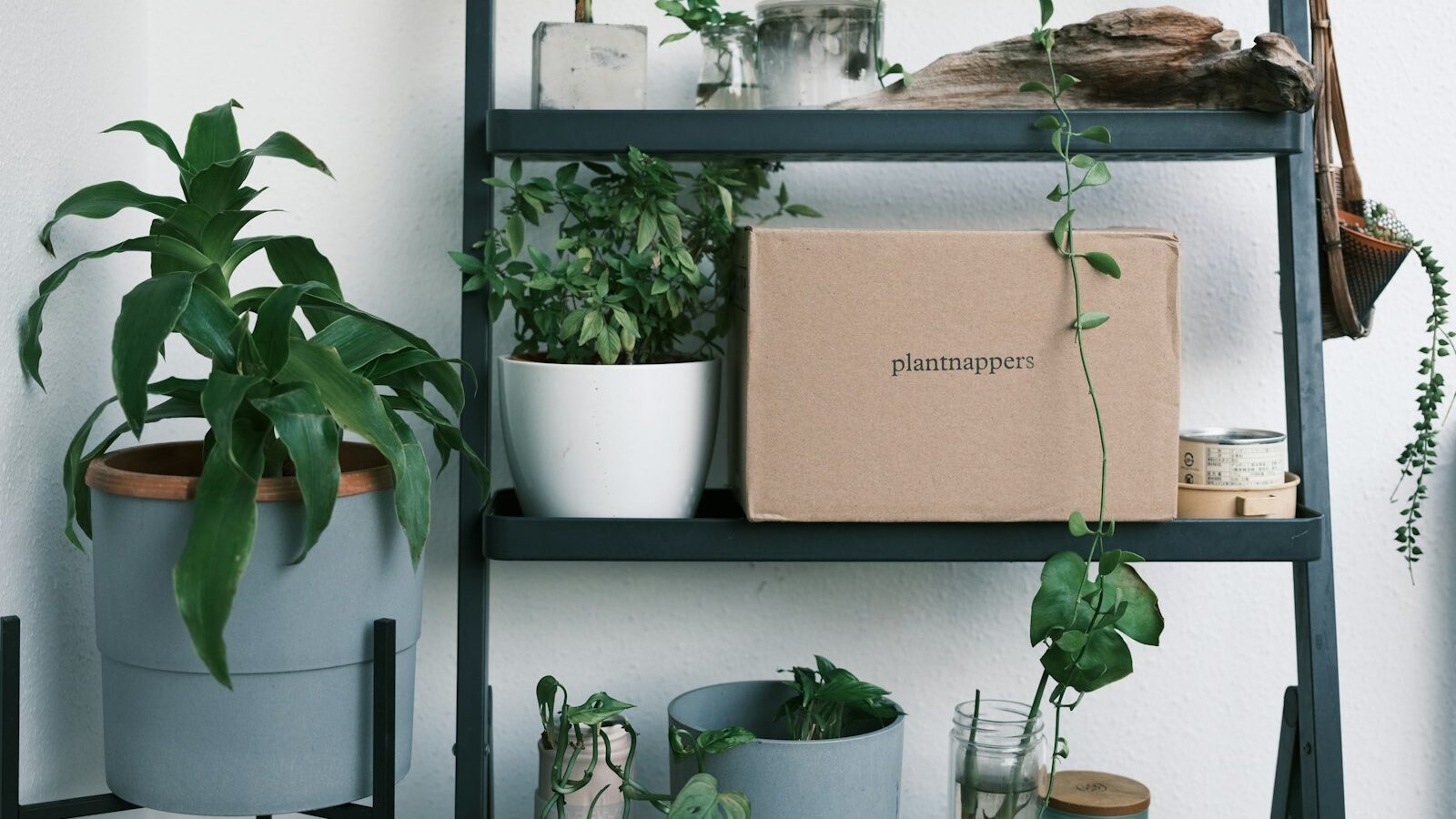
If you have killed a plant or two and given up, the problem is usually the plant, not you. The good news is that low maintenance indoor plants Singapore homes can actually keep alive are easy to find, and our climate does half the work for you. The heat and humidity that make us sweat also keep most tropical foliage happy, so a well-chosen plant in an HDB flat or condo often thrives on neglect. This guide covers the hardy species that suit local light and humidity, how much light a typical flat really gives, how to water without drowning them, and a note on which common plants are toxic to pets and small children.
The Easiest Plants for Local Conditions
The plants below are popular for a reason. They tolerate the low, indirect light of an inner flat, shrug off our humidity, and forgive the occasional missed watering. You will find all of them at heartland nurseries, the plant corners in IKEA, or on Shopee and Carousell.
- Pothos (money plant, devil’s ivy). Possibly the most forgiving houseplant going. It trails from a shelf or climbs a pole, roots in a jar of water, and copes with dim corners. Trim it when it gets leggy and it bushes back.
- Snake plant (Sansevieria, tongue of the tiger). An upright, architectural plant that handles low light and long gaps between waterings. It stores water in its thick leaves, so it suits busy or forgetful owners.
- ZZ plant (Zamioculcas). The set-and-forget champion. Glossy leaves, a tolerance for shade, and a rhizome that hoards water mean it can go weeks untouched. Ideal for a dim study corner or a north-facing room.
- Peace lily (Spathiphyllum). One of the few easy plants that also flowers indoors. It handles lower light and, helpfully, droops dramatically when thirsty then perks up after a drink, so it tells you when to water.
- Monstera (deliciosa or the smaller adansonii). The famous split-leaf plant. It grows fast in our climate given bright indirect light and a pole to climb, and rewards a bit of attention with a lush, tropical look.
Other reliable options include the Chinese evergreen (Aglaonema), which comes in striking pink and red varieties bred for low light, and the humble spider plant, which throws out baby plantlets you can pot up for free.
Reading the Light in Your Flat
The single biggest factor in whether a plant lives is light, and most flats have less of it than you think. A room that feels bright to your eyes can still be dim by a plant’s standards, because our eyes adjust and camera-like leaves do not.
- Bright, indirect light sits near a window that gets sun but out of the direct beam, or on a well-lit balcony under shade. Monstera, pothos in colour, and most foliage look their best here.
- Direct sun on a west-facing HDB window or an open balcony is intense in Singapore and can scorch tender indoor leaves. Cactuses and succulents want it, but move soft-leaved plants back a little or filter it with a sheer curtain.
- Low light describes an interior corridor, a bathroom, or a spot several metres from the window. Snake plant, ZZ, peace lily, and Aglaonema cope here, though even these grow slowly and prefer some brightness.
If your flat is genuinely dark, a small clip-on grow light is a cheap fix, and it lets you keep greenery in a bomb-shelter study or a windowless nook. Rotate pots a quarter turn every week or two so plants grow evenly rather than leaning toward the glass.
Watering Without Killing Them
Far more houseplants die from too much water than too little, and our humidity makes overwatering easy. Soil that stays soggy starves the roots of air and rots them, so the aim is to water thoroughly then let the mix dry out before the next drink.
- Check before you pour. Push a finger two to three centimetres into the soil. If it is still moist, wait. This one habit prevents most deaths.
- Water deeply, then drain. Soak until water runs out the bottom, then tip away whatever collects in the saucer. Roots sitting in a puddle is what kills them.
- Use pots with drainage holes. A decorative pot with no hole traps water. Either drill one or use it as an outer cover for a plastic nursery pot you lift out to water.
- Ease off in cooler, wetter spells. During long monsoon stretches the air is damp and soil dries slowly, so plants need less. In a hot, air-conditioned bedroom they may need a little more.
Humidity is a bonus here. The tropical species above love our moist air, so you rarely need to mist them, unlike growers in temperate countries. The exception is a room with the aircon running long hours, which dries the air and may leave leaf tips crispy.
Comparing the Hardy Favourites
Use this table to match a plant to the spot you have in mind before you buy.
| Plant | Light it needs | Watering | Difficulty | Pet or child safe? |
|---|---|---|---|---|
| Snake plant | Low to bright indirect | Every 2 to 3 weeks | Very easy | Toxic if eaten |
| ZZ plant | Low to bright indirect | Every 2 to 3 weeks | Very easy | Toxic if eaten |
| Pothos | Low to bright indirect | When top soil dries | Very easy | Toxic if eaten |
| Peace lily | Low to medium | When it droops | Easy | Toxic if eaten |
| Monstera | Bright indirect | When top soil dries | Easy | Toxic if eaten |
| Spider plant | Medium to bright indirect | When top soil dries | Easy | Non-toxic |
Pests, Toxicity and Staying Safe
Even easy plants run into two issues in our climate: pests and, for some households, toxicity. Both are manageable with a little care.
Humidity and warmth suit pests as much as plants. Watch for mealybugs (white, cottony spots), spider mites (fine webbing and speckled leaves), and fungus gnats (tiny flies from constantly wet soil). Wipe leaves down now and then, let the topsoil dry to discourage gnats, and treat outbreaks early by wiping with diluted soapy water or a horticultural soap. Isolate a new plant for a week or two before mixing it with the others, since nursery plants often bring hitchhikers. One more point that matters here: never let plant saucers hold stagnant water, because in line with NEA’s Mozzie Wipeout advice that is exactly where mosquitoes breed. Tip out and wipe saucers regularly.
On toxicity, several of the most popular houseplants are mildly to moderately poisonous if chewed or swallowed. Pothos, snake plant, ZZ, peace lily, monstera, and Aglaonema all contain compounds that can irritate the mouth and stomach, and they can make cats, dogs, and curious toddlers unwell. This rarely means you must avoid them, but do place these plants up high on shelves or hang them out of reach if you have pets or young children at home, and choose genuinely non-toxic options like the spider plant for low tables. If a pet or child does eat a leaf, contact your vet or a doctor rather than waiting to see what happens.
Start with one or two plants in the right spot, get a feel for watering, and grow your little indoor jungle from there. In a climate this generous, low maintenance greenery is one of the easiest wins a Singapore home can have.
Explore more
Ready to go further than a few pots on a shelf? Our broader guide to indoor plants and gardening in Singapore covers styling, repotting, and larger displays. And when you are ready to buy, our roundup of the best plant shops in Singapore points you to nurseries and online sellers with healthy, well-priced stock.