
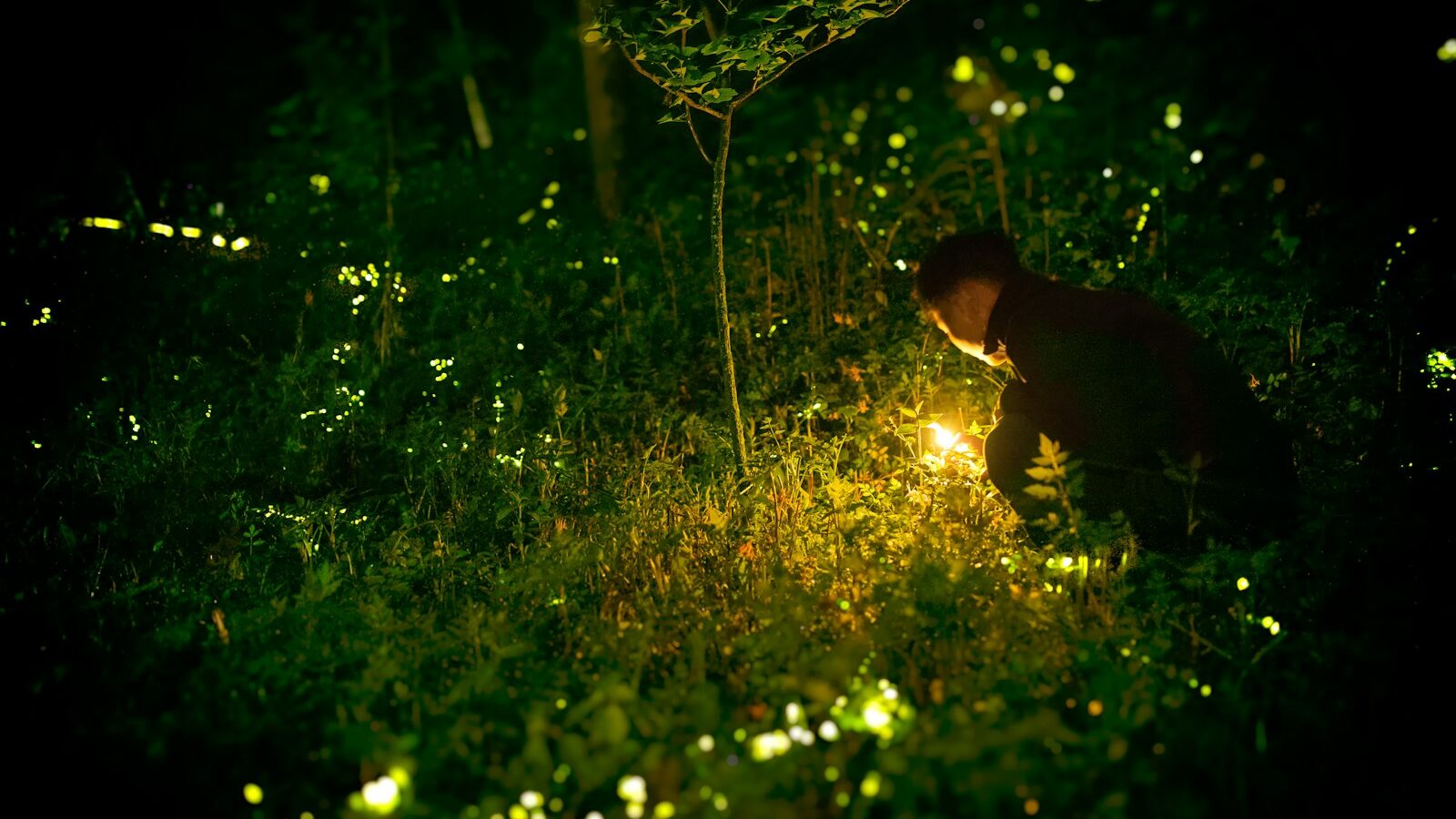
For a dense, built-up island, this is a surprisingly wild place. Wildlife spotting in Singapore can fill an entire outing, from smooth-coated otters rippling across a reservoir at dawn to fireflies blinking like tiny lanterns in a mangrove at dusk. You do not need a safari or a long drive; many of the best encounters happen a short MRT or bus ride from home, in parks and nature reserves that are free to enter. The golden rule is simple: watch, do not touch. Keep your distance, stay quiet, follow NParks advisories, and let the animals go about their lives. Do that, and the island opens up in ways most visitors never notice.
Where the Wild Things Are
Singapore’s green network is bigger than it looks. Four nature reserves and a web of parks, park connectors and coastal wetlands give animals room to move, and give you plenty of places to look. Each habitat has its own cast of characters, so choosing where to go is really about choosing what you hope to see.
Freshwater reservoirs and their forest fringes are prime otter and monitor lizard country, with kingfishers and herons working the water’s edge. Mangroves and mudflats, especially in the northwest, draw migratory shorebirds in season and the occasional estuarine visitor. Mature parks and gardens host squirrels, sunbirds, orioles and the ever-present mynas, while the forested reserves shelter long-tailed macaques, colugos and a chorus of insects that comes alive after dark.
Because so much of this sits within the city, access is easy. Most sites are reachable by public transport, have sheltered rest points, and connect to one another along shaded paths. That makes it simple to plan a gentle loop, keep to the cooler hours, and duck out when the heat or a downpour arrives.
Fireflies and the Magic of Dusk
Fireflies are the quiet showstoppers of a Singapore evening. These beetles produce a soft, cool light to find mates, and a patch of them pulsing in the dark is genuinely spellbinding. They favour undisturbed, humid spots near water and vegetation, particularly around mangroves and quiet wetland edges, and they tend to appear in the warm, still window just after sunset.
Seeing them well takes patience and restraint. Arrive before dark so your eyes can adjust, then let them settle into the gloom rather than reaching for a bright torch. White light overwhelms the display and disturbs the insects, so keep any torch dim, point it at the ground, and cover it with red film if you can. Move slowly, speak in whispers, and resist the urge to catch or handle them; a firefly’s glow is fragile, and the whole point is to leave the scene exactly as you found it.
Fireflies are sensitive to light pollution and habitat change, so numbers vary from night to night and season to season. Treat any sighting as a small gift rather than a guarantee, and check NParks channels for guidance on where night access is permitted and how to behave responsibly after dark.
Otters, Birds and Other Daytime Regulars
Daylight brings its own stars. Smooth-coated otter families have become beloved residents of the reservoirs and river channels, and watching a raft of them porpoise through the water or trundle across a bank is a highlight for many. Keep well back, never block their path between water and land, and put phones away from their faces; these are wild animals with pups to protect, not pets.
Bird watching rewards early risers. In the first hour of light, parks fill with birdsong, and a slow walk with eyes and ears open turns up sunbirds at flowers, kingfishers on branches, and herons stalking the shallows. Reservoir edges and wetland reserves are especially rich, and during the northern winter, migratory waders drop in to feed on the mudflats. A cheap pair of binoculars transforms the experience.
Long-tailed macaques live along several forest fringes, and here restraint matters most of all. Never feed them, keep food and plastic bags out of sight, and do not make eye contact or approach; feeding teaches them to associate people with snacks and leads to conflict. Give monitor lizards, snakes and squirrels the same courtesy: admire, photograph from a distance, and move on.
Use this quick guide to match your timing and setting to what you hope to see.
| What to see | Best time | Habitat to try | Watch respectfully by |
|---|---|---|---|
| Fireflies | Just after sunset | Quiet mangrove and wetland edges | Keeping torches dim and staying still |
| Otters | Early morning, late afternoon | Reservoirs, rivers, canals | Giving them a wide berth on land and water |
| Shorebirds | Cooler months, low tide | Coastal mudflats and mangroves | Using binoculars, not approaching |
| Forest birds | First hour after dawn | Mature parks and reserves | Moving slowly and listening |
| Macaques | Daytime | Forest fringes and trails | Never feeding and keeping distance |
How to Watch Without Disturbing
Good wildlife spotting is mostly about your own behaviour. Wear muted colours, move gently, and let stillness do the work; sit quietly by a likely spot and the animals often come to you. Keep voices low, switch phones to silent, and turn off camera flash, which startles animals and ruins the moment for everyone nearby.
Follow the ground rules that protect both you and the wildlife. Stay on marked trails, observe all NParks signs and advisories, and never touch, feed or corner an animal. Feeding is harmful and, at many sites, prohibited; it changes natural behaviour and can make animals aggressive or sick. If a creature notices you and changes what it is doing, you are too close, so ease back and give it space.
Plan around the tropics. The best light and the calmest animals come in the early morning and the hour or two before dark, which are also the coolest parts of the day. Carry water, wear light long sleeves and repellent for dusk outings near water, and pack a small torch with red film for the walk out. Check the forecast, because heavy rain changes both trails and animal activity, and let someone know your route if you are heading out at night.
Planning a Respectful Outing
Start simple. Pick one habitat, arrive at the quiet edge of the day, and give yourself a couple of unhurried hours rather than trying to see everything at once. Bring binoculars if you have them, a refillable water bottle, and patience; the finest sightings reward those who wait. Sheltered rest points and nearby hawker fare mean you can cool off and refuel without cutting the trip short.
Keep expectations gentle and your footprint light. Wildlife is unpredictable, so treat every otter, bird or firefly as a bonus, take only photographs, and leave nothing behind. Check official NParks listings before you go for the latest on opening hours, night access and any advisories, and let the animals set the terms. Watched this way, quietly and kindly, the island’s wild side becomes one of the most rewarding things to do here.
Explore more
Otters love a shoreline, so plan a dawn watch alongside our guide to reservoirs to explore in Singapore, then pick a shaded route from our nature playgrounds and forest walks. To fill in the calmer corners of your outing, browse these hidden gems in Singapore.