
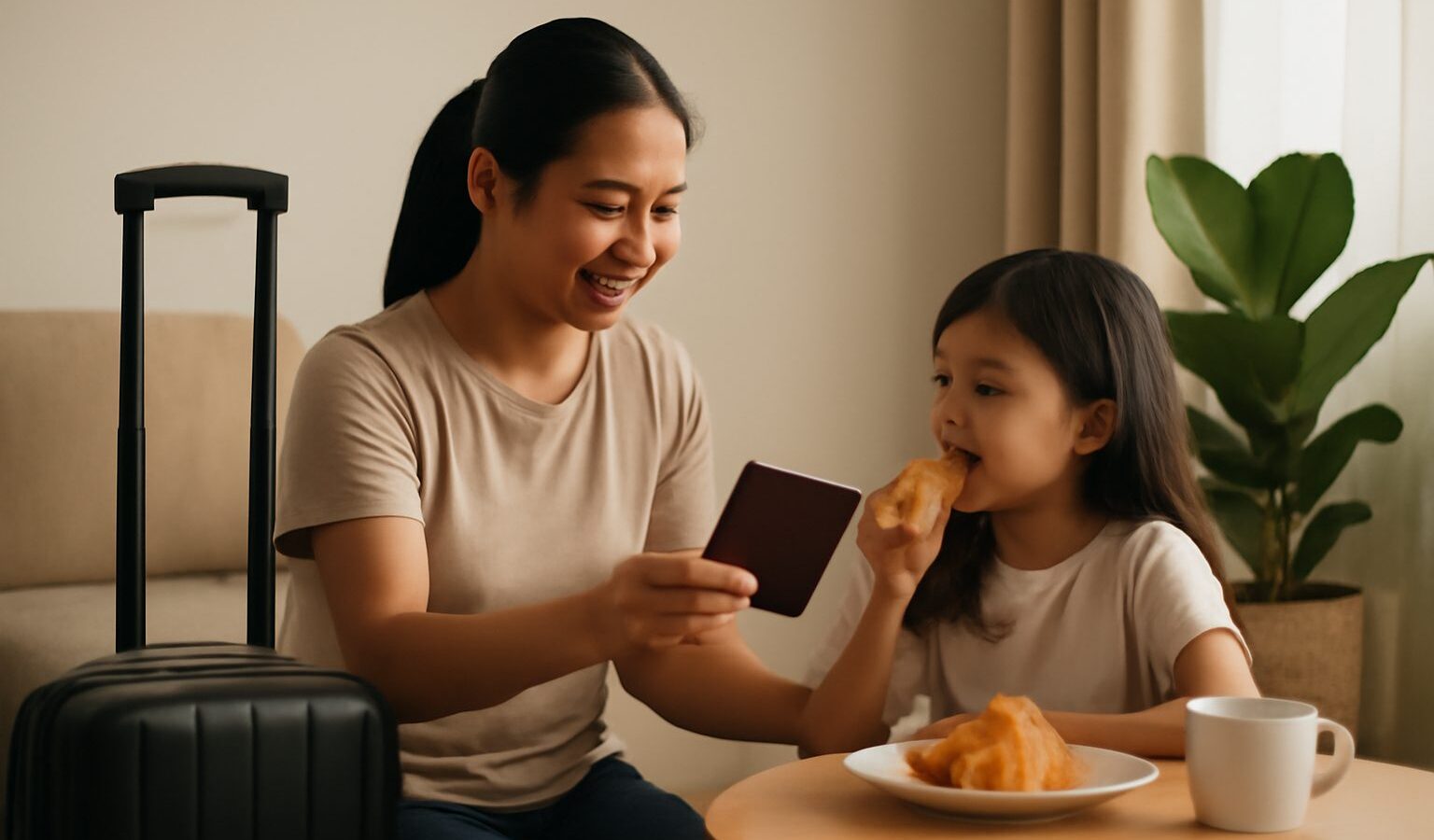
For many families relocating here, help at home makes daily life workable, especially with young children or elderly relatives to care for. Hiring a domestic helper from abroad Singapore is a well established path, but it comes with real responsibilities as an employer, set out by the Ministry of Manpower. This guide gives a general overview of how it works so you can prepare, rather than a substitute for official guidance.
Because the rules are detailed and can change, this article is general information only, not legal or immigration advice. Always defer to the Ministry of Manpower, known as MOM, for the current requirements, and to the Immigration and Checkpoints Authority for any entry matters. Where this guide and an official source differ, follow the official source.

Understanding the Work Permit
A migrant domestic worker in Singapore is employed under a Work Permit, and both the worker and the employer have obligations under it. To hire one, you must be an eligible employer, and MOM sets criteria around this, so the first step is always to check whether your household qualifies before you make any plans or commitments.
As an employer, you take on a duty of care for the person working in your home. This is not simply a transaction, it is a working relationship with a real person who has left their own family to support yours. MOM frames the arrangement with the worker’s wellbeing in mind, and approaching it in that spirit from the outset sets everyone up for a healthier arrangement.
Several requirements sit around the Work Permit. You will need to provide a security bond for a helper who is not a Malaysian citizen, and you must purchase medical insurance and personal accident insurance on her behalf. There are also rules about providing suitable accommodation, adequate food and proper rest. The specifics, including any figures, are set by MOM, so read them directly rather than relying on hearsay or old advice from friends.
Your Responsibilities as an Employer
The Settling-In Programme is a mandatory step for first time migrant domestic workers, designed to help them adjust to living and working safely in Singapore. It covers safety, adapting to a new environment, relationship management and knowing where to seek help. Making sure your helper completes it, and taking its lessons seriously yourself, lays a good foundation for the months ahead.
Rest and wellbeing are not optional extras, they are part of your obligations. There are rules on rest days, and a helper is entitled to proper time off, which supports her health and, in turn, the quality of care she can give your family. Beyond the letter of the rules, a helper who is well rested, well fed and treated with respect is far more likely to be happy and to stay. Compensation in lieu of a rest day, where allowed, is governed by MOM’s rules, so follow those rather than making private arrangements.
Clear communication prevents most problems. Before your helper arrives, think through the household routine, the tasks involved, and how you will explain them kindly to someone new to your home and perhaps new to Singapore. Agreeing expectations early, in a way she understands, saves misunderstandings later. Keep the employment terms transparent and honour them fully, because trust, once established, makes the whole household run more smoothly.
Getting Ready for the Arrival
Whether you engage a licensed employment agency or handle the process yourself, preparation matters. An agency can guide you through paperwork and matching, though you remain the employer with the responsibilities that carries. If you are bringing a helper you already know from abroad, the same MOM processes still apply, and you should not assume that a prior relationship shortcuts any requirement.
Prepare the practical side of the home too. A migrant domestic worker needs a suitable place to sleep and rest with reasonable privacy, along with adequate meals. Thinking about her comfort as you would a member of the household, rather than an afterthought, reflects both the rules and simple decency.
Here is a plain summary of the areas to look into, each of which you should confirm with MOM for the current details.
| Area | What to sort out | Where to confirm |
|---|---|---|
| Eligibility | Whether your household qualifies to employ a helper | MOM |
| Security bond | The bond required for a non Malaysian helper | MOM |
| Insurance | Medical and personal accident cover you must provide | MOM |
| Settling-In Programme | Ensuring a first time helper completes it | MOM |
| Rest and wellbeing | Rest days, accommodation, food and time off | MOM |
Deliberately, no figures for levies, bonds, salaries or fees appear above, because these are set officially and can change. Pulling current numbers straight from MOM protects you from budgeting on outdated information and from any nasty surprises after your helper has arrived.
Building a Good Working Relationship
The legal framework is only half the picture. The families who find this arrangement works well tend to be the ones who treat their helper as a person first. Simple things make a difference, such as showing her around the neighbourhood, helping her understand local transport, giving her space to call home, and being patient while she learns your household’s ways. A little kindness early on is repaid many times over.
Look after her wellbeing actively rather than passively. Notice if she seems unwell, homesick or overworked, and adjust. Make sure she knows where to seek help if she ever needs it, including the avenues MOM provides. A helper who feels safe and respected is more likely to speak up about problems before they grow, which is better for everyone in the home.
Bringing a domestic helper from abroad Singapore into your household is a serious commitment wrapped up in a very human relationship. Get the official requirements right by working directly from MOM’s guidance, prepare your home and routine thoughtfully, and treat your helper with the fairness and care the role deserves. Do that, and you build not just a compliant arrangement, but a genuinely good one.
Explore more
- Employing a Domestic Helper
- Relocating With Family
- Moving to Singapore Checklist
- First Month in Singapore
Frequently Asked Questions
Do I qualify to hire a foreign domestic helper as a new arrival? That depends on criteria set by MOM, so check eligibility before making plans or commitments. Do not assume a newly relocated household automatically qualifies. MOM’s website lists who can employ a helper, and its current requirements override anything you hear from friends.
Can I bring a helper I already know from my home country? You can look into it, but the usual MOM processes still apply. A prior relationship does not shortcut any requirement, and the helper must meet the Work Permit conditions. Ask MOM or a licensed agency about the correct steps before arranging travel.
Should I use an employment agency or handle the hiring myself? Either route is possible. A licensed agency can guide you through paperwork and matching, which helps if you are new to the process, but you remain the employer with all the legal duties. If you go it alone, work directly from MOM’s guidance.
What kind of room and food must I provide for my helper? MOM expects suitable accommodation with reasonable privacy, adequate meals and proper rest. Treat her comfort as you would a household member’s rather than an afterthought. Read MOM’s current rules for the precise requirements instead of relying on informal advice.
Where can my helper go for help if there is a problem at home? MOM provides avenues for helpers to seek assistance, and the Settling-In Programme teaches first-time workers where to turn. Make sure she knows these options from the start. A helper who feels safe and respected is more likely to raise problems early.
Official sources: Ministry of Manpower (MOM)