
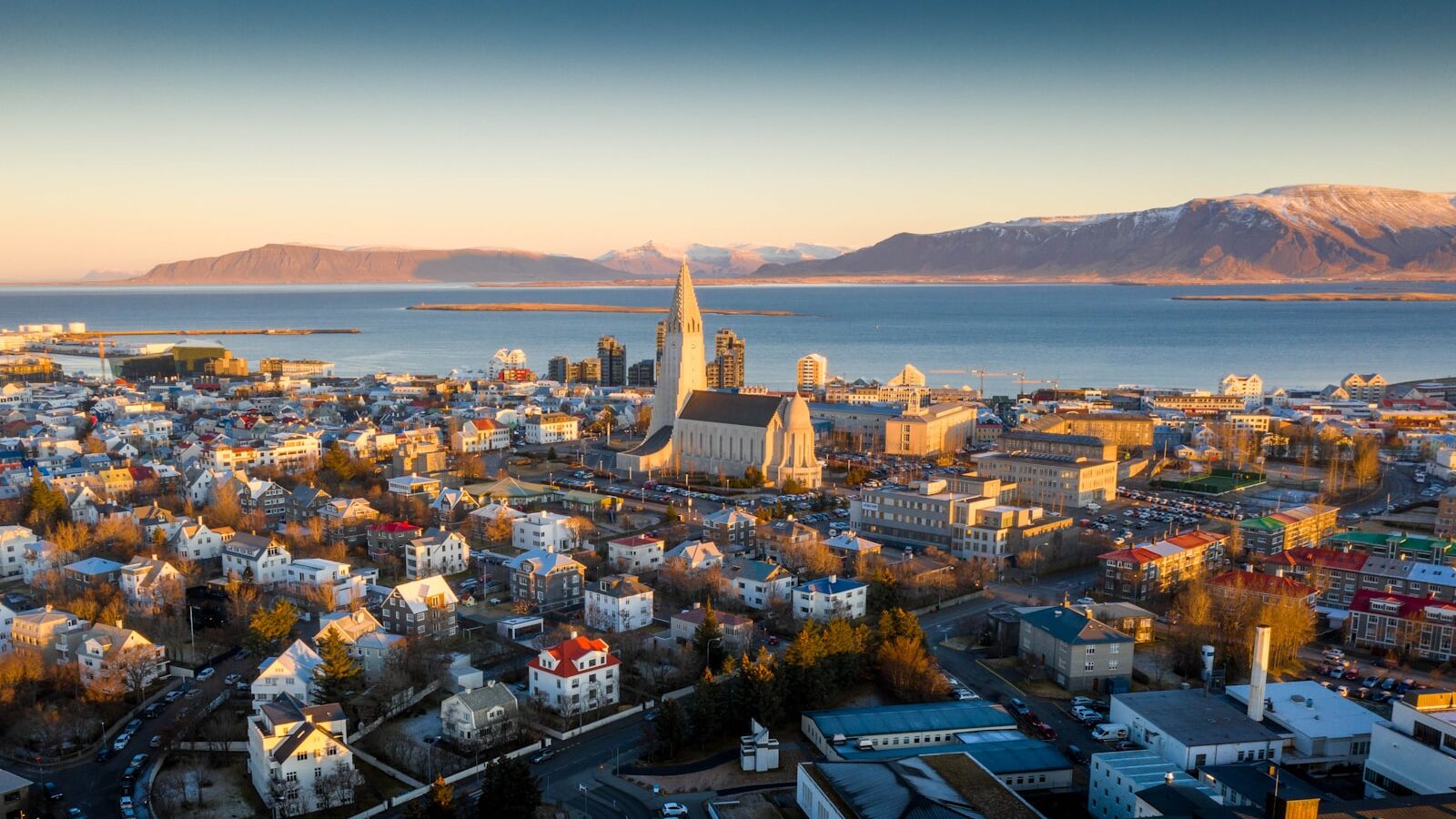
For Singaporeans who want scenery that feels like another planet, planning Iceland from Singapore delivers waterfalls, glaciers, black-sand beaches and, in the darker months, the Northern Lights. This is a place where you leave the tropics behind and swap humidity for crisp air, wide-open lava fields and long drives between one jaw-dropping view and the next. Reykjavik, the small and walkable capital, makes an easy base, while the rest of the island rewards those willing to rent a car and explore. This guide covers getting there, when to go, how to get around safely and what to see.
Getting There From Singapore
Iceland is a genuine long-haul trip from Changi, and there is normally no non-stop service, so you will connect at least once, commonly through a European hub before the final leg to Keflavik, Iceland’s main international airport. Total travel time typically runs to somewhere around seventeen to twenty-plus hours depending on your routing and layover, so treat the journey as part of the adventure and pick a connection that gives you enough transfer time.
Keflavik sits about forty-five minutes by road from Reykjavik, with airport buses and car hire desks on arrival. Iceland is several hours behind Singapore, so westbound jet lag is usually gentle. Try to stay awake until a local bedtime on your first day to settle quickly.
Entry rules for Singapore passport holders can change, and Iceland is part of the Schengen area, so confirm the current requirements with the Icelandic authorities and check ICA guidance before you fly. A Singapore passport and a China passport can face very different conditions for the same trip, so each traveller should verify for their own passport. Sort out passport validity and comprehensive travel insurance well before departure.
When to Go and How Long to Stay
Iceland is really two destinations depending on the season. Summer brings almost endless daylight, greener landscapes, open mountain roads and the easiest driving, but also the biggest crowds. Winter is dark, cold and dramatic, and it is the season for hunting the Northern Lights, though many interior routes close and conditions can turn quickly.
| Season | Daylight and Weather | Good For | Watch Out For |
|---|---|---|---|
| Summer (Jun to Aug) | Long days, milder | Ring Road, hiking, puffins | Peak crowds and prices |
| Autumn (Sep to Oct) | Shortening days, crisp | Fewer crowds, early auroras | Changeable weather |
| Winter (Nov to Mar) | Very short days, cold | Northern Lights, ice caves | Road closures, storms |
| Spring (Apr to May) | Lengthening days, thawing | Value, quieter sights | Lingering snow up high |
A first visit of five to eight days lets you enjoy Reykjavik and the south coast without rushing. To drive the full Ring Road around the island, give yourself closer to a week and a half.
Getting Around and Self-Drive Safety
Many visitors rent a car, because Iceland’s best sights are spread out and public transport beyond Reykjavik is limited. Self-driving gives you freedom, but it demands respect. Weather changes fast, winds can be ferocious, and winter roads may be icy or shut without much warning. Check the official road and weather services daily, never drive onto closed roads, and in winter consider a four-wheel drive and give yourself generous time.
A few safety habits matter here. Stick to marked roads and never drive off-road, which is illegal and damages fragile nature. Keep well back from cliff edges, unstable ice and powerful surf, and heed all warning signs at waterfalls and beaches. If you are not confident driving in harsh conditions, guided day tours from Reykjavik cover the headline sights instead. Traffic drives on the right, the opposite of Singapore.
Top Things to See and Do
The classic first-timer loop is the Golden Circle, an easy day from Reykjavik taking in Thingvellir National Park, where two continental plates pull apart, the Geysir geothermal area, and the powerful Gullfoss waterfall. It is popular for good reason and works well as a self-drive or a tour.
The south coast strings together some of Iceland’s most photographed sights, from thundering waterfalls to black-sand beaches and, further along, a glacier lagoon dotted with drifting icebergs. The Blue Lagoon, a geothermal spa near the airport, is a relaxing bookend to a trip, though it is not the only place to soak. In the dark half of the year, the Northern Lights are the headline draw; sightings depend on clear skies and solar activity, so build in flexibility and manage expectations. Reykjavik itself is compact and charming, with a landmark church tower, a lively harbour and good museums.
Where to Base Yourself
Most visitors anchor their trip in Reykjavik and take day trips or a road loop from there.
- Central Reykjavik: walkable, with cafes, restaurants, museums and nightlife, ideal for a city base.
- Near Keflavik airport: handy for early flights and a first or last night by the Blue Lagoon.
- South coast towns: useful stopovers if you are driving the sights beyond the Golden Circle.
- Around the Ring Road: small towns and guesthouses let you spread the island out over several nights.
Book ahead in summer, when rooms fill fast, and describe your plans to hosts, since some rural stays are remote.
Food, Money and Practical Tips
Icelandic food leans on lamb, fresh fish and seafood, dairy such as the thick yoghurt-like skyr, hearty soups and bakery treats, with a famous street-food hot dog for a quick bite. Reykjavik has a lively cafe and restaurant scene, while options thin out in the countryside, so stock up before long drives. Tap water is superb and free, so carry a bottle.
Iceland is an expensive destination, so budget generously for food, fuel and accommodation, and save money by self-catering from supermarkets and packing snacks for the road. The currency is the Icelandic krona, cards are accepted almost everywhere, and you need very little cash. English is widely spoken, connectivity is good in populated areas, and locals value visitors who tread lightly on the landscape. Check MFA advisories and a travel clinic before a long-haul trip, and buy suitable travel insurance.
Explore more
Iceland pairs beautifully with the British Isles on a longer northern itinerary. Add a historic city break with our Edinburgh from Singapore guide, cross to the Emerald Isle using Dublin from Singapore, or swing further into Central Europe with Budapest from Singapore for thermal baths and grand architecture.