
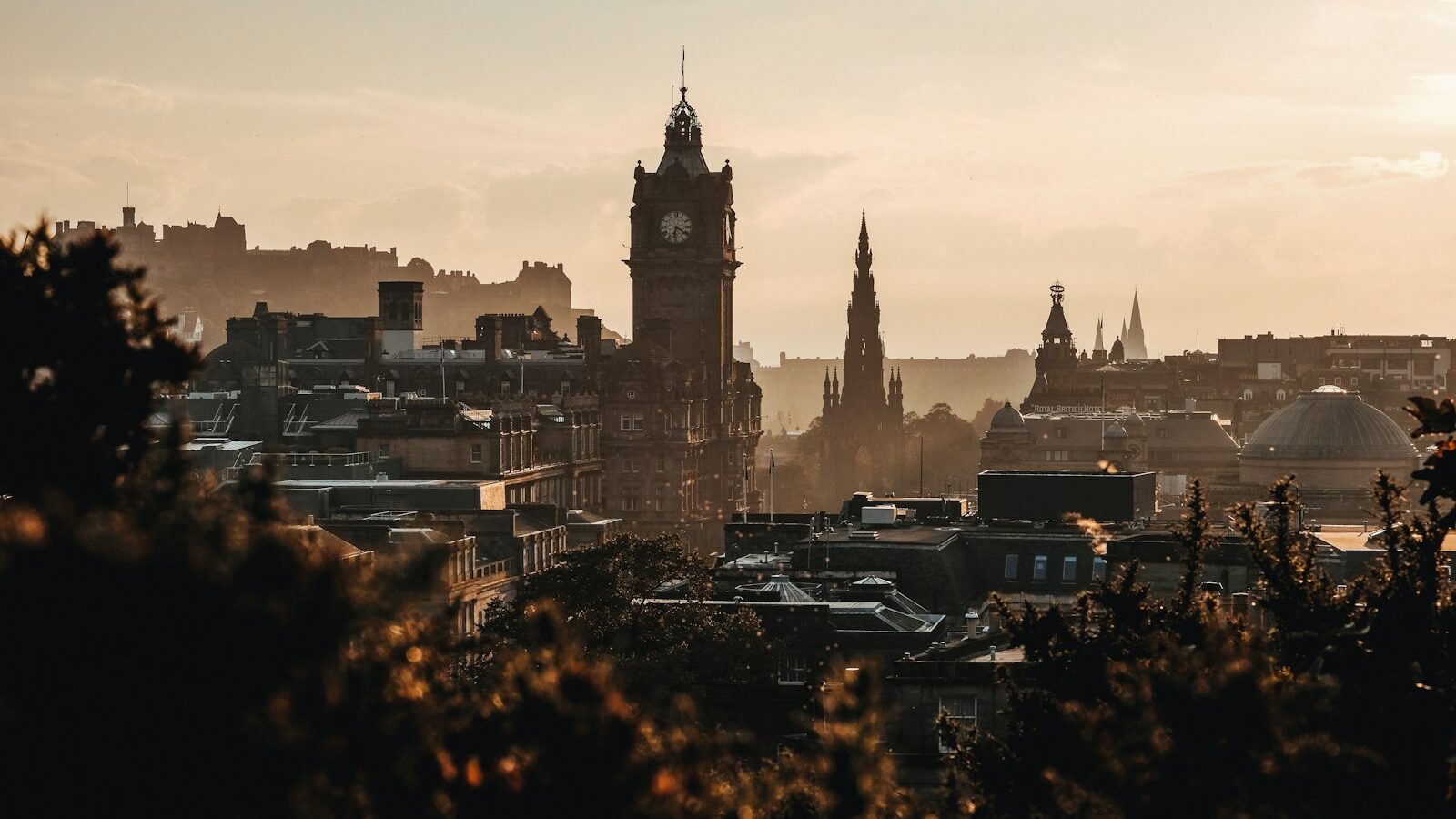
Few European capitals feel as instantly cinematic as Scotland’s, and planning Edinburgh from Singapore rewards you with a compact, walkable city of medieval closes, grand stone terraces and a castle on a crag. It is atmospheric in every season, from crisp bright mornings to misty afternoons, and it makes a superb base for exploring the Scottish Highlands beyond. Whether you are drawn by history, literature, whisky or simply the view from a hilltop, Edinburgh delivers a lot within a short walk. This guide covers getting there from Singapore, when to visit, what to see and how to plan.
Getting There From Singapore
Edinburgh is a long-haul destination from Changi, and while services and routings vary, most travellers connect at least once, commonly through a Middle Eastern or European hub, before the final leg into Edinburgh Airport. Total travel time typically lands somewhere in the region of fifteen to nineteen hours depending on your connection and layover, so choose a routing that leaves comfortable transfer time.
Edinburgh Airport sits a short ride west of the centre, with a tram and airport buses running into the city. Scotland is several hours behind Singapore, so westbound jet lag is usually manageable. Arrive, stay up until a local bedtime, and you should adjust within a day or so.
Entry rules for Singapore passport holders can change, so confirm the current requirements with the United Kingdom authorities and check ICA guidance before you fly. A Singapore passport and a China passport can face different conditions for the same trip, so each traveller should verify for their own passport. Sort out passport validity and travel insurance before departure.
When to Go and How Long to Stay
Edinburgh is a year-round city, and the season shapes the mood. Summer brings the longest days and the famous festivals in August, when the city buzzes but prices rise and rooms sell out. Spring and autumn are quieter and often lovely, while winter is cold, dark and atmospheric, with festive markets late in the year.
| Season | Weather | Crowds and Cost | Good For |
|---|---|---|---|
| Summer (Jun to Aug) | Mild, long days | High, peak in August | Festivals, long evenings |
| Autumn (Sep to Oct) | Crisp, changeable | Moderate | Fewer crowds, golden light |
| Winter (Nov to Feb) | Cold, dark, damp | Lower, festive peak | Markets, cosy pubs |
| Spring (Mar to May) | Cool, brightening | Lower to moderate | Value, blossom, quieter sights |
Two to three days covers the highlights comfortably. Add a few more if you want day trips into the Highlands, to Stirling or across to Glasgow, all reachable by train.
Getting Around
Central Edinburgh is best explored on foot, since the Old Town and New Town sit close together and much of the pleasure is wandering the wynds and hilly streets. Wear comfortable shoes and expect steep gradients and worn cobbles underfoot. A tram line and an extensive bus network cover longer hops and the airport run, and contactless payment is widely accepted.
For the surrounding country, trains are the easy option, with frequent services to Glasgow and scenic routes further north. If you plan to tour the Highlands independently you might hire a car, remembering that traffic drives on the left, as in Singapore, which many local drivers will find familiar.
Top Things to See and Do
The castle is the obvious start, perched on volcanic rock with sweeping views and centuries of history inside. From there the Royal Mile runs downhill through the heart of the Old Town, lined with historic buildings, narrow closes and the Palace of Holyroodhouse at the far end. Climb Arthur’s Seat, the extinct volcano in Holyrood Park, for one of the best city panoramas anywhere.
Beyond the landmarks, wander the elegant Georgian streets of the New Town, browse the shops and museums, and soak up the literary heritage of a city that inspired countless writers and now honours them with plaques, statues and a dedicated writers’ museum. Whisky lovers can learn the craft at tasting experiences, and day trips reach lochs, castles and the dramatic scenery that Scotland is famous for. In August the festivals fill every venue with theatre, comedy and music.
Where to Base Yourself
Edinburgh is small, so most areas keep you within walking distance of the sights.
- Old Town: medieval atmosphere, close to the castle and Royal Mile, lively and central.
- New Town: elegant Georgian streets, good shopping and dining, a short walk to everything.
- Stockbridge: a charming village-like neighbourhood with independent cafes and a relaxed feel.
- Leith: the revitalised waterfront district, with a strong food scene and a slightly lower price point.
Book early for summer and festival dates, when demand is highest and rooms are snapped up well ahead.
Food, Money and Practical Tips
Scottish food is heartier than the tropics might prepare you for, built around fresh seafood, salmon, hearty soups, the celebrated national dish of haggis and, for the brave, a full cooked breakfast. Edinburgh has a strong cafe and restaurant scene across all budgets, from cosy pubs to smart dining, and traditional bakeries are perfect for a quick, cheap bite. Tap water is safe to drink.
Edinburgh can be pricey, especially in peak season, so save by mixing casual eats with the odd nice meal and walking rather than taxiing. The currency is the pound sterling, and cards and contactless are accepted almost everywhere, so you need little cash. English is spoken with a distinctive accent, connectivity is good, and locals are generally warm and helpful. Check MFA advisories and a travel clinic before a long-haul trip, and buy suitable travel insurance.
Explore more
Edinburgh pairs naturally with the rest of the British Isles and northern Europe. Hop across to Ireland with our Dublin from Singapore guide, chase glaciers and the Northern Lights via Reykjavik and Iceland from Singapore, or continue into Central Europe with Budapest from Singapore for thermal baths and grand riverside views.