
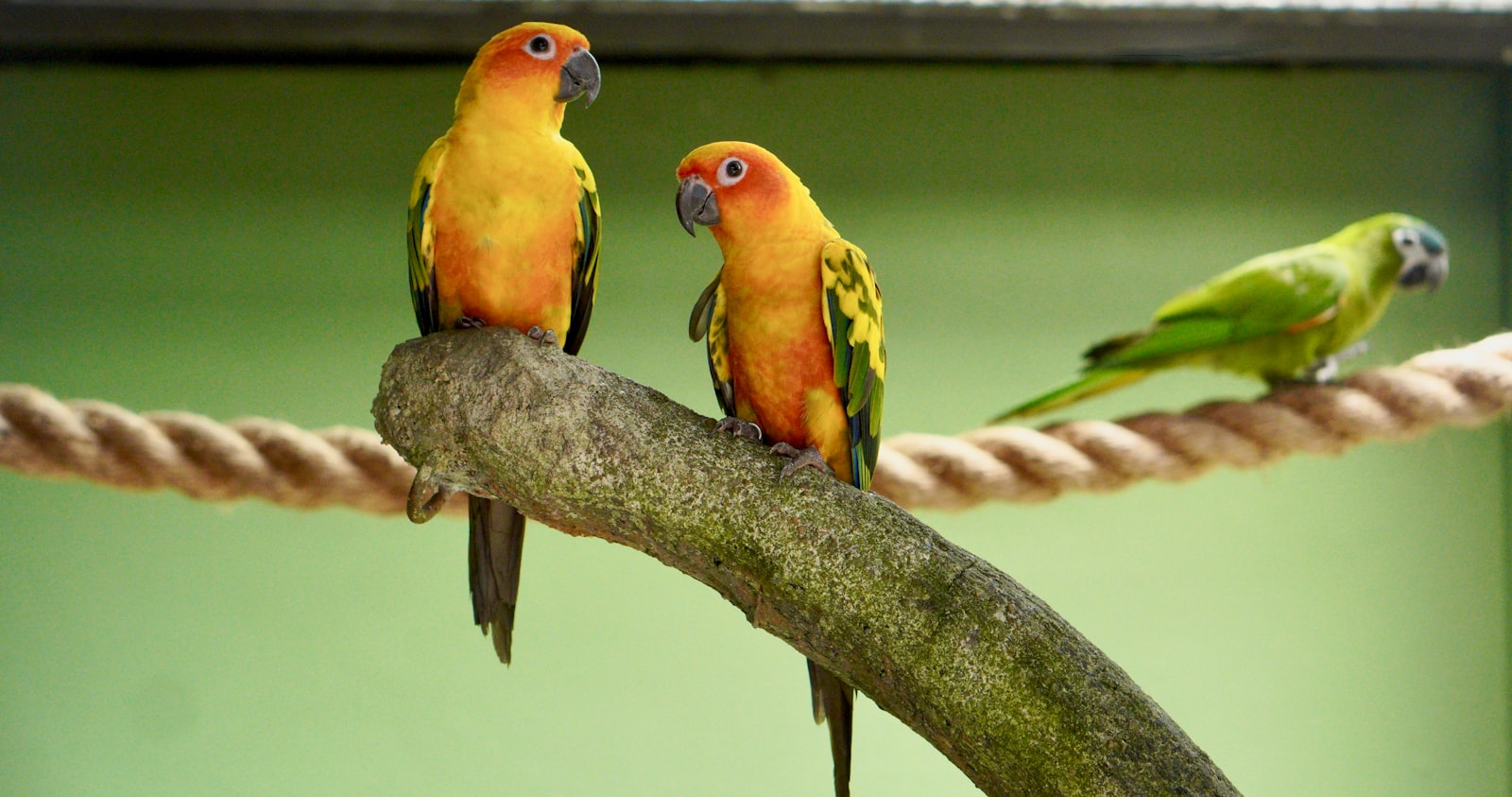
The budgerigar, or budgie, is one of the friendliest birds a first time keeper can choose, which is why it is such a common pet in Singapore homes. Often simply called a parakeet, this small Australian bird is intelligent, social and surprisingly full of personality for its size. Good budgerigar care is not complicated, but it does ask you to meet a few needs that a tiny cage and a bag of seed cannot cover on their own. Budgies are flock animals that crave company, room to fly and a varied diet. Give them those things and you will have a chatty, active companion that can bond closely with its family.
Budgies Are Flock Birds, So Company Matters
In the wild, budgerigars live in large, busy flocks and are almost never alone. That instinct comes home with them. A budgie left by itself for long hours with nothing to do can become bored, stressed and withdrawn. The kindest setup for most keepers is to house budgies in pairs or small groups, so they always have a companion of their own kind to preen, chatter and roost with. Two budgies still bond with people; they simply do not depend on you to be their entire world.
If you do keep a single budgie, you become its flock, which means committing to lots of daily interaction: talking to it, sitting nearby, and hands on time once it trusts you. Building that trust is a slow, gentle process of letting the bird approach on its own terms, offering treats from your hand and never grabbing or chasing it. Budgies are prey animals at heart, so patience and calm, predictable handling win them over far better than force.
Choosing the Right Cage
Cage size is where many new keepers go wrong. Budgies fly horizontally in short, fast bursts, so a wide cage matters more than a tall, narrow one. The rule of thumb is simple: buy the biggest cage you can fit and afford, and treat any minimum as a floor, not a target. The bird should be able to fully stretch and flap its wings and move between perches without brushing the bars. Bar spacing should be narrow enough that a budgie cannot get its head stuck.
Set the cage up to keep the mind and body busy:
- Perches of varying natural widths to exercise the feet, rather than only smooth dowels of one size.
- A few safe toys, such as shreddable items, bells and foraging toys, rotated to keep things fresh.
- Food and water dishes placed away from perches so droppings do not fall into them.
- A location out of direct sun and away from air conditioning draughts and the kitchen, since fumes from non stick cookware and aerosols are dangerous to birds.
Cover part of the cage or move it somewhere quiet at night so your budgies get consistent, uninterrupted sleep, which they need to stay healthy and even tempered.
Feeding Beyond a Seed Bowl
A diet of dry seed alone is one of the biggest health pitfalls for pet budgies. Seed is high in fat and misses many nutrients, and a bird that fills up on it can become overweight and unwell over time. A balanced budgie diet is more varied. Many keepers build the diet around a quality formulated pellet suited to budgies, offered alongside seed rather than instead of it, plus a daily portion of fresh vegetables and leafy greens and the occasional small piece of fruit. Introduce new foods gradually and with patience, since budgies are creatures of habit and may ignore anything unfamiliar at first.
Some foods are genuinely dangerous and must never be offered, including avocado, chocolate, caffeine, alcohol, and anything salty or sugary meant for people. Always provide fresh, clean water, and remove fresh food before it spoils in the tropical heat. Because nutritional needs vary and this is general information rather than veterinary advice, ask an avian or exotics vet in Singapore to confirm the right balance for your particular bird.
The table below compares a common beginner setup with a healthier one.
| Care area | Common beginner setup | A healthier approach |
|---|---|---|
| Company | One budgie left alone all day | A pair, or a single bird with lots of daily interaction |
| Cage | Small, tall cage bought to a bare minimum | Wide cage, the biggest you can fit, with room to flap |
| Diet | Seed only, refilled endlessly | Formulated pellet, some seed, daily fresh greens |
| Enrichment | Empty cage, no toys | Rotated toys, varied perches and foraging |
| Out of cage | Never let out | Supervised daily flight in a bird safe room |
Out of Cage Time and Daily Enrichment
Even the largest cage is not enough on its own. Budgies need daily time out of the cage to fly, explore and stretch properly, in a room you have made bird safe first. Close windows and doors, cover mirrors and glass so the bird does not fly into them, switch off ceiling fans, remove other pets, and put away anything toxic or that the bird could get trapped in. Let your budgie come and go from an open cage door at its own pace rather than forcing it out. This out of cage time is not a luxury; it is exercise and mental stimulation that keep the bird fit and content.
Watch your birds daily for signs of trouble, since birds instinctively hide illness until they are quite unwell. Warning signs that call for a prompt vet visit include a fluffed up bird sitting low and still, laboured or tail bobbing breathing, discharge from the eyes or nostrils, a change in droppings, sudden weight loss felt over the breastbone, or a loss of appetite. Bird health is specialised, so find an avian or exotics vet in Singapore before you need one, and treat any sudden decline as urgent.
Budgerigars ask for company, space, a proper diet and daily freedom, and they repay all of it with years of bright, sociable company.
Explore more
Budgies are a big step up in interaction from a tank, but if you are still comparing pets, our guide to betta fish care and setting up a healthy tank covers a lower contact option. If a quiet, gentle companion appeals more, read about the specific needs of rabbits in our guide to rabbit diet and why hay matters.