
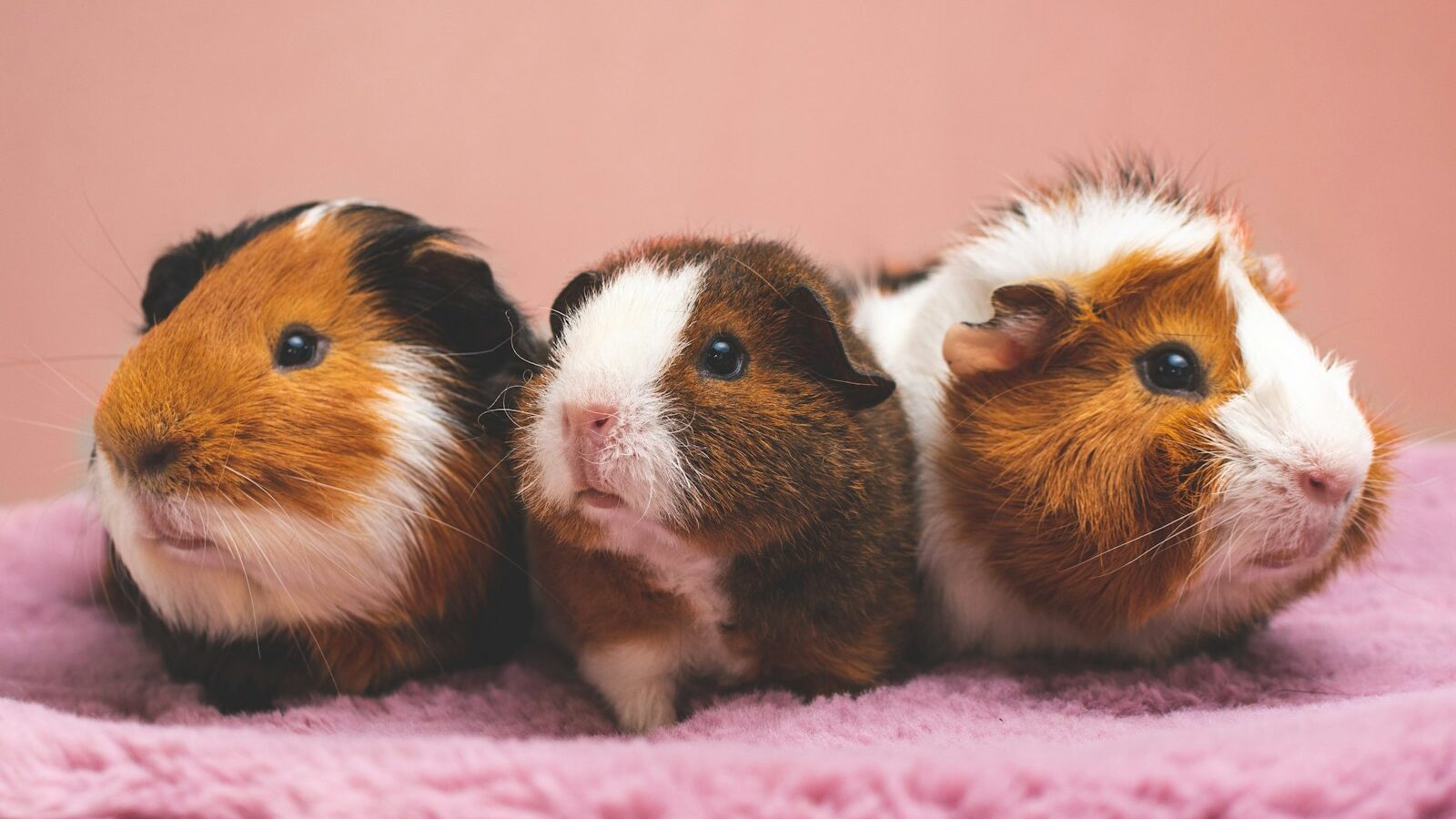
Guinea pigs are gentle, chatty little companions, which is why they are such popular first pets. Behind that easy-going nature, though, sits a set of specific needs, and good guinea pig care means getting the diet, housing, and company right from day one. These are social, sensitive animals that live for several years, so they are a real commitment rather than a starter toy. This guide walks new owners through the essentials of keeping guinea pigs happy and healthy in a Singapore home, and when to reach out to a vet. It is general information, not veterinary advice, so let a licensed vet who sees exotics guide anything to do with health.
Why Guinea Pigs Are Not Solitary Pets
The first thing to understand is that guinea pigs are herd animals. In the wild they live in groups, and a lone guinea pig can become bored, stressed, and lonely. For this reason, many welfare groups recommend keeping them in compatible pairs or small groups rather than alone. Two females often live together well, and a neutered male can live with a female, but pairing needs care to avoid fighting and unwanted litters. Ask a vet or a rescue for advice on suitable pairings before bringing home more than one.
Company from another guinea pig is not the same as human attention, and you cannot fully replace a companion with handling alone. That said, gentle daily interaction matters too. Talk to them, offer food by hand, and let them get used to your voice. Guinea pigs are prey animals, so move slowly, scoop them up supporting the whole body, and give them hiding spots where they can retreat and feel safe.
Getting the Diet Right
Diet is where new owners most often slip up, and it matters enormously. Guinea pigs, like people, cannot make their own vitamin C, so they must get it from their food every day. A shortage leads to serious health problems, so a suitable diet is not optional.
The foundation of good feeding is simple:
- Unlimited grass hay, which should make up the bulk of the diet and keeps the gut and teeth healthy
- Fresh leafy vegetables daily, offering variety and a natural source of vitamin C
- A measured amount of plain guinea-pig pellets, chosen for the species rather than a general small-animal mix
- Fresh, clean water at all times, checked and refreshed daily
- A source of vitamin C as advised by your vet, since needs vary and you should not guess at supplements
Hay deserves special mention. Guinea pig teeth grow continuously, and the constant chewing of hay wears them down and prevents dental problems. Introduce any new vegetable gradually, avoid sudden diet changes, and ask your vet which foods are safe, as some plants and treats are not suitable. Do not feed a diet meant for rabbits or other animals, since their needs differ.
Comparing Everyday Foods
New owners often ask what to feed and what to limit. This table gives a general picture, but check specifics with your vet.
| Food Type | Role in the Diet | How Much |
|---|---|---|
| Grass hay | Main food, teeth and gut health | Unlimited, always available |
| Leafy vegetables | Vitamin C and variety | A daily portion, introduced slowly |
| Guinea-pig pellets | Supplementary nutrients | A small measured amount |
| Fruit and sugary treats | Occasional extra only | Very sparing, if at all |
| Water | Hydration | Fresh and unlimited |
The theme is clear: hay first, fresh vegetables daily, pellets in moderation, and treats kept to a minimum. A diet built this way supports both teeth and digestion, which are the two areas guinea pigs most often run into trouble.
Housing and the Singapore Climate
Guinea pigs need more space than the small cages often sold for them. A larger enclosure gives room to move, explore, and exercise, which keeps them healthier and happier. Line it with a suitable, dust-free bedding, provide hides for security, and keep separate spots for food, water, and sleeping. Clean regularly, since a damp or dirty enclosure quickly leads to health and skin problems.
Temperature is a real consideration in Singapore. Guinea pigs are sensitive to heat and can suffer heatstroke, so their home must stay cool, shaded, and well ventilated, and never in direct sun or a hot, stuffy corner. Keep them out of draughts too. A few practical habits help:
- Place the enclosure in the coolest, calmest part of the home, away from windows in full sun
- Ensure good airflow without a direct draught blowing on them
- Watch closely on very warm days for any sign of overheating
- Give plenty of fresh water and shaded hiding spots at all times
Because they are quiet, sensitive animals, guinea pigs also do best away from loud noise and constant disturbance, so a calm room suits them better than a busy thoroughfare.
Health, Handling, and When to See a Vet
Guinea pigs hide illness well, as prey animals do, so a small change can matter. Learn what is normal for yours and watch for anything different. Handle them gently and regularly, both to build trust and to check their body condition, coat, teeth, nails, and rear end.
See a vet who treats exotics or small mammals promptly if you notice:
- Not eating or a drop in appetite, which in a guinea pig can become serious quickly
- Weight loss, which is easier to catch if you weigh them regularly
- Laboured breathing, wheezing, or a runny nose or eyes
- Diarrhoea, or no droppings, or a dirty, matted rear end
- Hair loss, itching, sores, or lumps
- Overgrown teeth, drooling, or difficulty eating
- Lethargy, hunching, or hiding more than usual
A guinea pig that stops eating needs veterinary attention without delay, and signs like collapse or severe breathing difficulty are emergencies. Do not give any human medicine or guess at treatment. Regular check-ups with an exotics vet, a good diet, clean housing, and the company of their own kind give guinea pigs the best shot at a long, contented life.
Explore More
Small pets and cats share a home in many Singapore flats. If you keep both, our guides to managing your cat’s weight and window and high-rise safety for cats help you keep every animal in the household safe and well.