
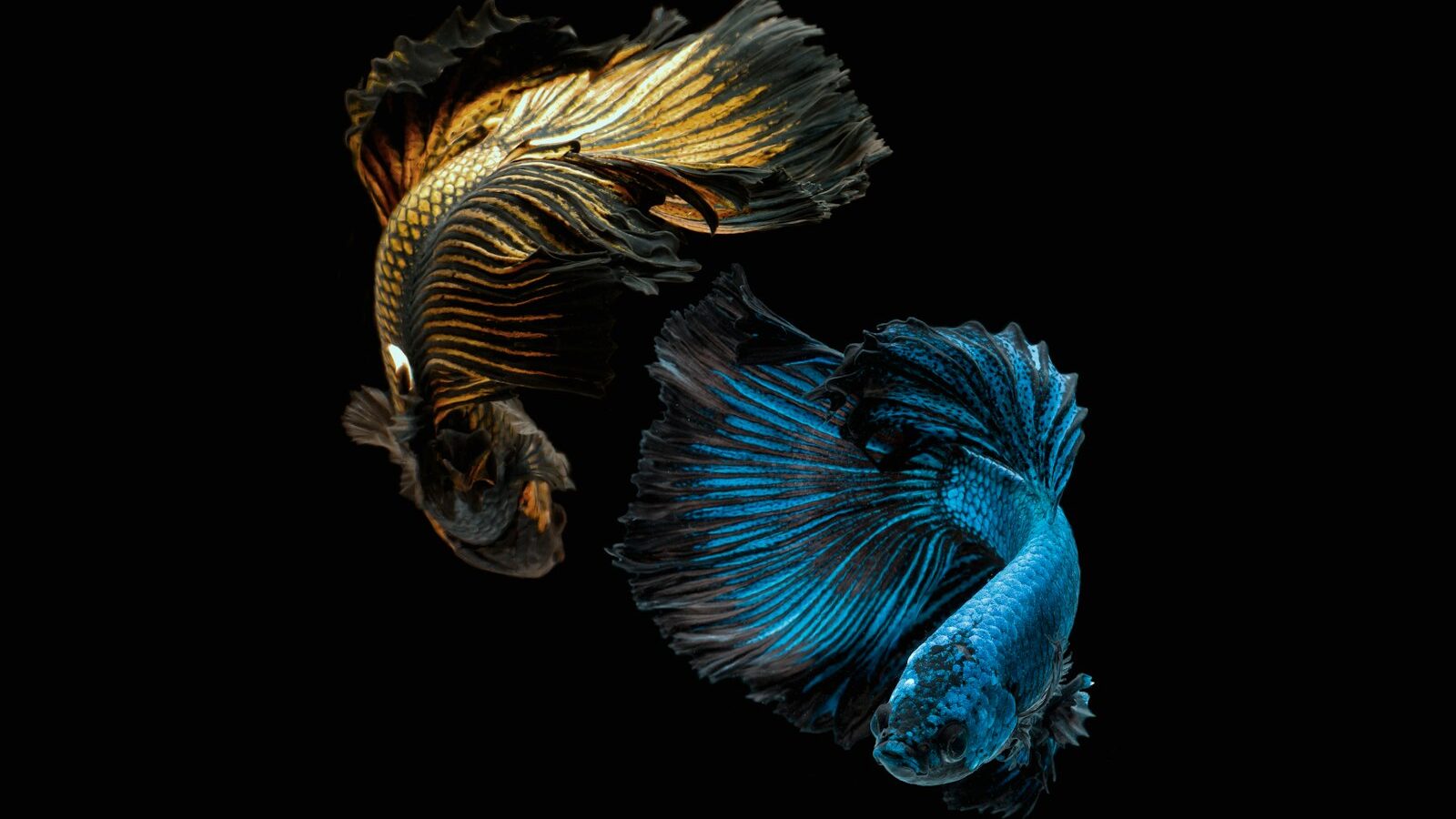
Bettas are one of the most popular first fish in Singapore, and it is easy to see why. They are hardy in the right conditions, full of personality, and come in colours that rival any reef fish. Sadly, they are also one of the most misunderstood pets on the shelf, still sold in tiny cups and pushed as fish that live happily in a vase or a flower bowl. Good betta fish care starts by throwing out that myth. A betta is a tropical fish that needs warm, filtered, cycled water and room to swim, just like any other aquarium resident. Get the setup right and a healthy betta can be a calm, rewarding companion for years.
Why a Betta Needs a Real Tank, Not a Bowl
The Siamese fighting fish comes from warm, slow moving waters in South East Asia. It does breathe air from the surface using a special organ called the labyrinth, which is why people wrongly assume it can survive in a cup with no filter. Breathing air keeps a betta alive in poor water, but it does not keep it healthy. In a tiny unheated bowl the water swings in temperature, ammonia from waste builds up fast, and the fish lives under constant stress that shortens its life.
A single betta should have a tank of a few gallons at the very least, and more space is always better. A larger volume of water stays warmer and more stable, dilutes waste, and gives your fish somewhere to explore. Choose a tank that is longer than it is tall, because bettas swim horizontally and rest near the surface to breathe. Add a lid or cover, since bettas are known jumpers. Fill the tank with gentle decor and soft silk or live plants, and avoid sharp plastic ornaments that can tear their delicate fins.
Here is how the two approaches compare.
| Feature | Small unheated bowl | Proper heated, filtered tank |
|---|---|---|
| Water temperature | Swings with the room, often too cool | Stable tropical warmth from a heater |
| Waste and ammonia | Builds up quickly, toxic between changes | Diluted and processed by the nitrogen cycle |
| Filtration | None, so you rely on frequent full changes | Gentle filter keeps water clear and stable |
| Fish behaviour | Listless, stressed, prone to illness | Active, curious, better colour and finnage |
| Long term outcome | Shortened life, frequent problems | A calmer fish that can thrive for years |
Heating and Filtering Tropical Water
Two pieces of equipment separate a thriving betta from a struggling one: a heater and a filter. Singapore rooms feel warm to us, but air conditioning, ceiling fans and night time cooling can drop tank water below the range a betta likes, and rapid temperature changes are a common hidden cause of stress and fin problems. An adjustable aquarium heater matched to your tank size, paired with a simple thermometer you actually check, keeps the water in a steady tropical band. Warm, stable water supports a betta’s immune system and keeps it active.
A betta also benefits from gentle filtration. A filter houses the beneficial bacteria that process fish waste, and it keeps the water clear between changes. The key word is gentle. Bettas are weak swimmers with heavy fins, so a strong current tires them out and can pin them against the outflow. Look for a filter with an adjustable or baffled flow, and if the current still feels strong, you can soften it with a sponge over the intake or a pre-filter. The goal is a slow, calm drift rather than a washing machine.
Setting Up and Cycling the Tank
The single most important step new keepers skip is cycling the tank before the fish moves in. Fish waste turns into ammonia, which is toxic, and a mature tank grows colonies of beneficial bacteria that convert ammonia into nitrite and then into far less harmful nitrate. Without this living filter, a brand new tank goes through what hobbyists call new tank syndrome, where ammonia and nitrite spike and poison the fish. This process is the same for every freshwater aquarium, and it is worth understanding fully before you add any animal. Our full walkthrough of setting up and cycling your first aquarium explains the nitrogen cycle step by step.
Once your tank is cycled, keep it stable with a routine. Test the water, do regular partial water changes rather than dumping the whole tank, and always treat tap water with a dechlorinator before it goes in. Match the temperature of new water to the tank so you do not shock the fish. A steady, boring routine is exactly what a betta wants.
Feeding, Fins and Everyday Care
Bettas are carnivores, so they do best on a quality betta specific pellet as a staple, rotated with the occasional treat of suitable frozen or freeze dried foods. The most common feeding mistake is overfeeding. A betta’s stomach is tiny, roughly the size of its eye, so a small pinch once or twice a day is plenty, and uneaten food should be removed so it does not rot and foul the water. A fasting day each week can help digestion. Bloating, a lack of appetite, or difficulty staying upright can signal overfeeding or constipation, so adjust portions before problems set in.
Everyday care is mostly observation. Spend a minute each day watching your betta. A healthy fish is alert, holds its fins open, eats eagerly and builds the occasional bubble nest at the surface. Watch for warning signs that call for a closer look: clamped fins held tight to the body, faded colour, white spots or cottony patches, torn or rotting fins, lethargy, or gasping at the surface more than usual. Many of these trace back to water quality, so your first response to a sick betta should always be to test and improve the water. Fish health is a specialised field, and this article is general information, not veterinary advice. If your fish stays unwell, look for an aquatic or exotics vet in Singapore who treats fish, and do not dose random medications from the shelf without knowing the cause.
Never Release Fish or Plants into Local Waters
If your circumstances change and you can no longer keep your betta, never release it, its tank mates, or any aquarium plant into a canal, pond, reservoir or drain. Releasing pets and plants into Singapore waterways is illegal, and released fish and plants can carry disease, outcompete native species and damage local ecosystems. Instead, rehome the fish through a fellow hobbyist, a local aquarium community or a pet shop that will take it, and return unwanted plants and equipment the same responsible way. Caring for a pet includes planning for its whole life, right to the end.
Bettas reward the small effort a real setup takes. Warm, cycled water, a gentle filter, sensible feeding and daily observation give you a bright, active fish rather than a fading one in a bowl.
Explore more
Ready to build the tank properly? Start with our guide to setting up and cycling your first aquarium, which explains the nitrogen cycle every betta keeper needs to understand. If you are weighing up which small pet suits your home, you might also enjoy comparing the commitment of fishkeeping with feathered and furry options across our other Pets guides.