
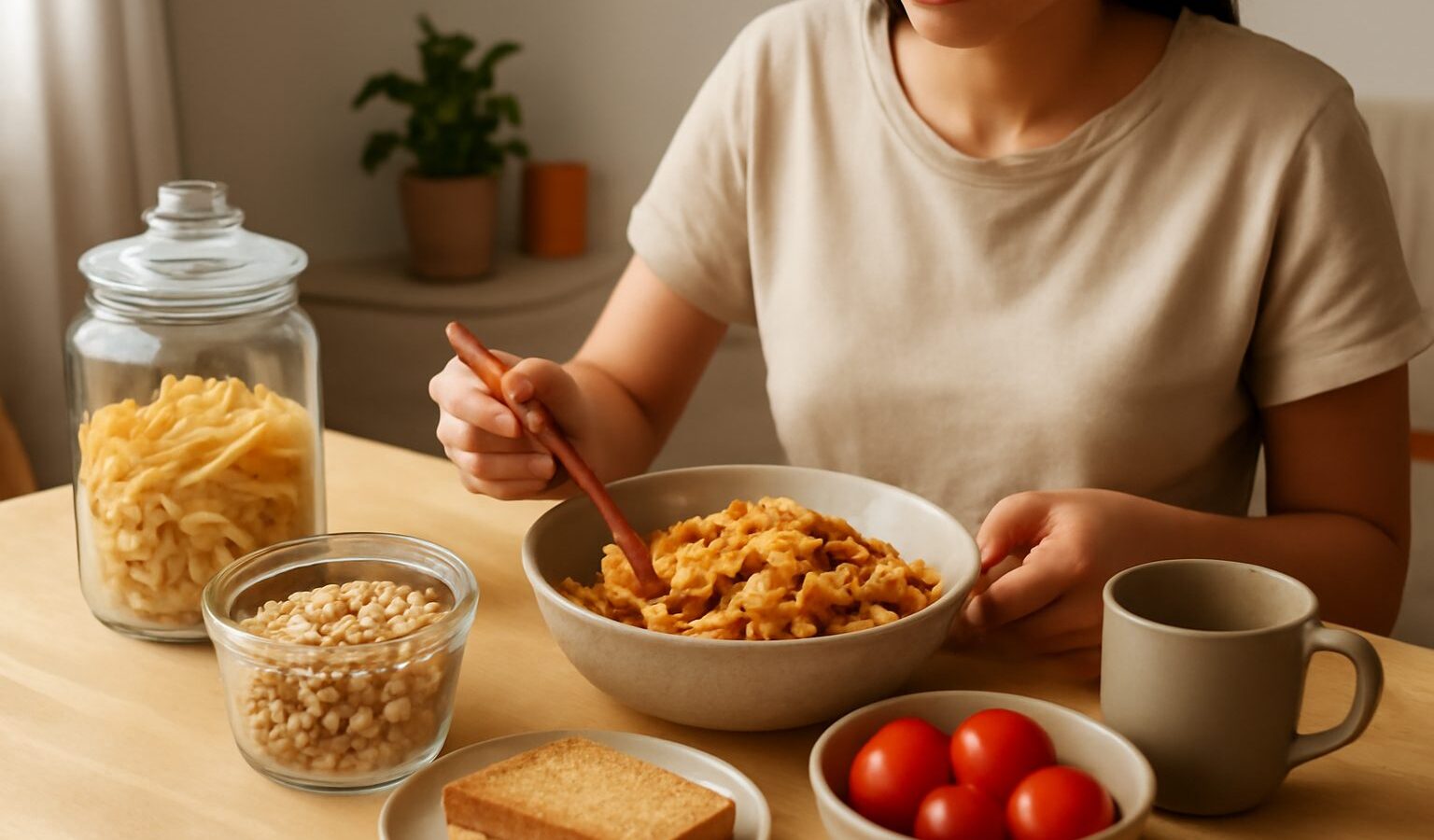
The weeks after a big festive season can feel tight. Ang bao, gifts, visiting and eating out add up, and then the usual bills arrive on schedule. Food is one of the few household costs you can adjust quickly, which makes a simple budget meal plan Singapore households can actually follow one of the fastest ways to steady a squeezed month.
This guide is not a list of generic money tips. It is a pantry-first system: you start with what is already in your cupboards, freezer and fridge, plan meals around it, and only then buy the small number of fresh items needed to turn staples into real meals. It is general information rather than financial advice, and the right amounts depend on your household.

Why a Pantry-First Plan Works Better Than Cutting Back
Most people respond to a tight month by “trying to spend less” on groceries, which usually lasts until a tired Wednesday evening and a food delivery order. A pantry-first plan works because it changes the order of decisions:
- You use what you have already paid for. Rice, noodles, canned goods and frozen items bought during festive shopping are money already spent. Cooking them first is a direct saving.
- You shop for gaps, not for meals. Instead of buying a full recipe’s ingredients, you buy only the fresh vegetables or protein that complete a pantry meal.
- You remove daily decisions. Knowing tonight’s dinner in advance is what keeps you away from impulse spending.
Festive periods often leave surplus too: extra canned abalone or mushrooms, sealed packs of dried shiitake, biscuits, nuts, and sometimes leftover waxed meats or frozen dumplings. These are perfect starting points.
Step One: Audit What You Already Have
Set aside 20 minutes and take everything out, or at least look properly into every shelf. Write down three lists:
- Use first: opened packets, items near their best-before date, fridge leftovers and anything you have forgotten about.
- Core staples: rice, noodles, oats, flour, eggs, canned beans and fish, frozen vegetables, sauces and spices.
- Festive extras: gifted or bulk-bought items that can lift a simple meal.
Check carefully for pests and stale goods while you are at it. If your shelves are disorganised, our guide on how to organise your pantry will help you see what you own at a glance, which prevents duplicate buying later.
Step Two: Turn Staples Into a Weekly Meal Grid
Now build a simple grid of dinners for the week, then lunches if you cook those too. Use a repeating structure so planning takes minutes:
- Rice night: fried rice, rice with a stir-fry, or a one-pot rice dish.
- Noodle night: soup noodles, dry tossed noodles or a simple pasta.
- Porridge or congee night: cheap, gentle and endlessly adaptable.
- Egg night: omelette, steamed egg or egg with tomato.
- Bean or lentil night: dhal, chilli beans or a simple stew.
- Leftover night: finish what remains.
- Flexible night: a small treat, a hawker meal, or another leftover round.
Fill each slot from your “use first” list before anything else. Here is how common staples can stretch across the week.
| Pantry staple | Meals it can become | What fresh item completes it |
|---|---|---|
| Rice | Fried rice, congee, rice bowls, rice with stir-fry | Eggs, leafy greens, spring onion |
| Dried noodles or pasta | Soup noodles, dry noodles, tomato pasta | Bean sprouts, chye sim, minced meat or tofu |
| Canned beans or lentils | Dhal, bean stew, chilli beans | Onion, tomato, a little fresh chilli |
| Canned fish | Fish fried rice, sandwiches, sambal fish | Cucumber, lime, bread |
| Frozen dumplings | Dumpling soup, pan-fried dumplings with greens | Any cheap leafy vegetable |
| Oats | Breakfast porridge, savoury oats with egg | Banana or seasonal fruit |
A useful habit is to cook one base in a larger batch, such as plain rice or a pot of dhal, then change the toppings across two or three days so it does not feel repetitive.
Step Three: Shop Small and Shop Smart
Once your grid is filled, write a short shopping list of only the fresh items needed. Some ways to keep it short:
- Buy vegetables that last. Cabbage, carrots, onions, potatoes and pumpkin keep longer than delicate greens, so they suit a slower month.
- Compare unit prices. Supermarket shelf labels often show a price per 100g or per kg; use them to compare pack sizes and house brands.
- Visit wet markets towards the end of the day when some stalls may sell remaining produce more cheaply, though this varies.
- Use frozen vegetables for convenience nights. They are often cheaper than fresh out of season and do not spoil.
- Shop once a week with a list, and resist “just popping in”, which is where unplanned spending happens.
If you are not familiar with local staples and how to use them, A Guide to the Local Pantry in Singapore explains ingredients such as ikan bilis, belacan, tau kwa and dried shrimp, many of which add flavour to cheap meals for very little cost.
Keeping It Low-Stress for the Whole Household
A plan only works if the people eating it are not miserable. A few ways to keep morale up:
- Keep one small treat night. A planned hawker meal or a favourite dessert is cheaper than giving up halfway and ordering delivery three times.
- Let everyone choose one meal. Children and partners are more likely to stick with a plan they helped shape.
- Prepare components on the weekend. Washing vegetables, cooking a batch of rice or marinating protein ahead makes weeknights easier.
- Pack lunches from dinner. Cooking one or two extra portions saves a daily lunch spend for working adults.
- Keep emergency meals ready. Eggs, instant noodles you upgrade with vegetables, or frozen dumplings stop a bad day turning into an expensive one.
Tracking Your Savings Without Spreadsheets
You do not need a complicated system to see whether the plan is working. Try this:
- Keep receipts in one envelope, or snap photos into one folder on your phone.
- At the end of each week, add up grocery spending and note how many meals were eaten out or delivered.
- Compare it with a normal month if you have a rough idea from bank statements.
Seeing the difference in plain numbers is motivating. Any amount saved can go towards rebuilding a buffer after festive spending. For a wider view of managing money through lean periods, read how to live well on a tight budget in Singapore.
When to Ease Off the Plan
A pantry-first month is a reset, not a punishment. Once your pantry has been worked down and your budget feels steadier, you can return to more varied shopping. Many households find they keep parts of the system, such as the weekly grid and the shopping list, because they reduce waste and decision fatigue all year.
If tight months are becoming the norm rather than an occasional squeeze, it may be worth reviewing your overall budget or speaking to a free financial counselling service run by community organisations. A meal plan helps, but it works best as one part of a broader money routine.
Frequently Asked Questions
How do I feed a family on a tight budget without everyone getting bored? Rotate a repeating weekly grid, such as rice night, noodle night and porridge night, and change the toppings on a batch-cooked base. Let each person choose one meal, and keep one small treat night so the plan feels sustainable.
Are frozen vegetables a good way to save money? They can be. Frozen vegetables are often cheaper than fresh out of season, do not spoil and suit convenience nights. Keep sturdier fresh vegetables like cabbage, carrots and onions for slower weeks, since they keep longer than delicate greens.
When is the best time to shop at the wet market for cheaper produce? Some stalls may sell remaining produce more cheaply towards the end of the day, though this varies. Compare it with supermarket unit prices shown per 100g or per kg, and stick to a written list so you buy only what completes your pantry meals.
How can I save on lunch when I cook for the family? Cook one or two extra portions at dinner and pack them for the next day. This saves a daily lunch spend for working adults. Preparing components on the weekend, such as cooked rice or marinated protein, makes weeknights easier too.
What should I do if tight months keep coming back? Review your overall budget rather than relying on a meal plan alone. Free financial counselling services run by community organisations can help you look at income, bills and debt. Treat the pantry plan as one part of a broader money routine.