
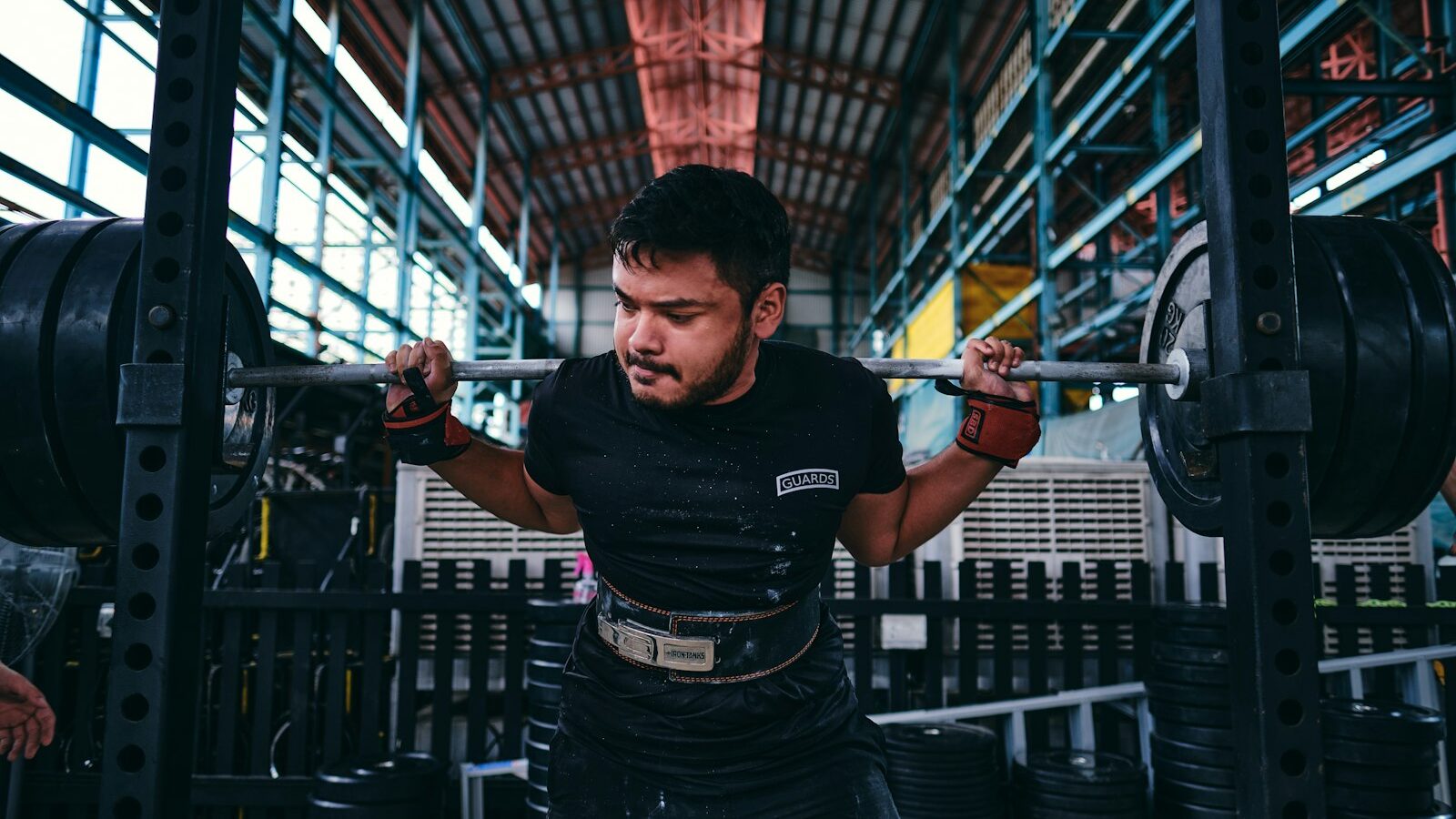
A strong back does far more than fill out a T-shirt. It holds you upright at your desk, steadies you when you lift a toddler or a bag of groceries, and quietly supports almost every other lift you do. Yet the back is easy to neglect, partly because you cannot see it in the mirror. If you want a back workout in Singapore that actually builds strength rather than just burning time, the good news is that the essentials are simple, repeatable, and friendly to home, condo gym, or ActiveSG setups.
This is general fitness information, not medical or personalised training advice. Warm up first, use good form, start lighter than you think you need to, and progress gradually. If you have an existing back problem, a health condition, or you feel actual pain (not the normal effort of hard muscles working), stop and speak to a doctor or physiotherapist before continuing.
Why back training matters
Your back is not one muscle but a layered system. The lats (the broad muscles that run down your sides) drive pulling and give the back its width. The traps and rhomboids sit between and below your shoulder blades and control how well you retract and stabilise them. The erector spinae run along your spine and keep you upright under load. Deeper still, small stabilisers help hold everything together.
Training all of these together brings real payoffs. Better posture is a common one, especially if you spend long hours hunched over a laptop in an air-conditioned office. Stronger pulling muscles also protect your shoulders and support the big lifts, since a braced, stable back is what lets you squat and deadlift safely. Many people find that a few weeks of consistent back work eases the low-grade neck and shoulder tightness that desk life creates.
The movement patterns that build a strong back
Rather than memorising a long list of exercises, think in patterns. Cover these and you have covered the back.
- Vertical pulls: pull-ups, chin-ups, and lat pulldowns. These build width and lat strength. If a full pull-up is out of reach for now, band-assisted versions and slow lowering (negatives) are excellent stepping stones.
- Horizontal pulls (rows): bent-over rows, single-arm dumbbell rows, seated cable rows, and inverted rows. These build thickness through the mid-back and teach you to squeeze your shoulder blades together.
- Hip hinges: deadlifts and their variations load the whole posterior chain, including the erectors, glutes, and hamstrings. They are a cornerstone of raw back and full-body strength.
- Direct spinal and postural work: back extensions and carries build endurance in the muscles that hold you upright.
You do not need every exercise in one session. A sensible back day might pair one vertical pull, one horizontal pull, and one hinge or extension, then add a little grip and carry work. For the deadlift specifically, it pays to nail the setup before adding weight, so learning solid deadlift form for beginners is time well spent. If pull-ups are your goal, a focused progression like how to do your first pull-up will get you there faster than random attempts.
Form cues that keep you safe and strong
Good technique is what separates a productive back workout from a sore lower back. A few cues cover most situations.
Brace before you pull. Take a breath into your belly and gently tighten your midsection, as if bracing for a light poke. This creates the stiff trunk that protects your spine.
Lead with your elbows, not your hands. In rows and pulldowns, imagine driving your elbows down and back. This shifts the work onto your back rather than letting your arms take over.
Control the whole range. Let the weight stretch your back at the top or bottom, then pull with intent and lower slowly. Half-repetitions and heaving with momentum feel impressive but build far less than controlled reps.
Keep your neck neutral. Look at the floor a metre or two ahead on hinges rather than craning up. If you already deal with stiffness up top, our guide on preventing neck and shoulder pain has practical habits worth adopting.
Programming and progress
Strength comes from doing a little more over time, not from destroying yourself in a single session. For most people, two back sessions a week, or two full-body sessions that include pulling, is plenty. Aim for a handful of working sets per pattern, keeping most sets a rep or two shy of failure so your form stays clean.
The engine behind long-term gains is progressive overload, which simply means gradually increasing the demand, whether through slightly heavier loads, an extra rep, or better control. If the idea is new to you, progressive overload explained lays it out clearly. Add weight only when your current sets feel genuinely manageable with good form.
Recovery matters just as much as effort. The back can take a session or two to bounce back, so avoid hammering heavy deadlifts and heavy rows on back-to-back days. Sleep, food, and rest days are where the actual strengthening happens.
A simple weekly approach
If you train twice a week, one session might centre on a hinge and horizontal pulls, and the other on vertical pulls and lighter accessory work. Warm up with a few easy sets, do your main lifts while you are fresh, then finish with rows or extensions and some grip work. Keep a note of your sets, reps, and loads so you can see progress and know when to nudge things up.
Above all, be patient. A strong back is built over months of steady, sensible sessions, not in a fortnight. Keep your form honest, add load slowly, respect your rest days, and see a physiotherapist promptly if pain rather than fatigue ever creeps in. Do that consistently and the strength will follow.