
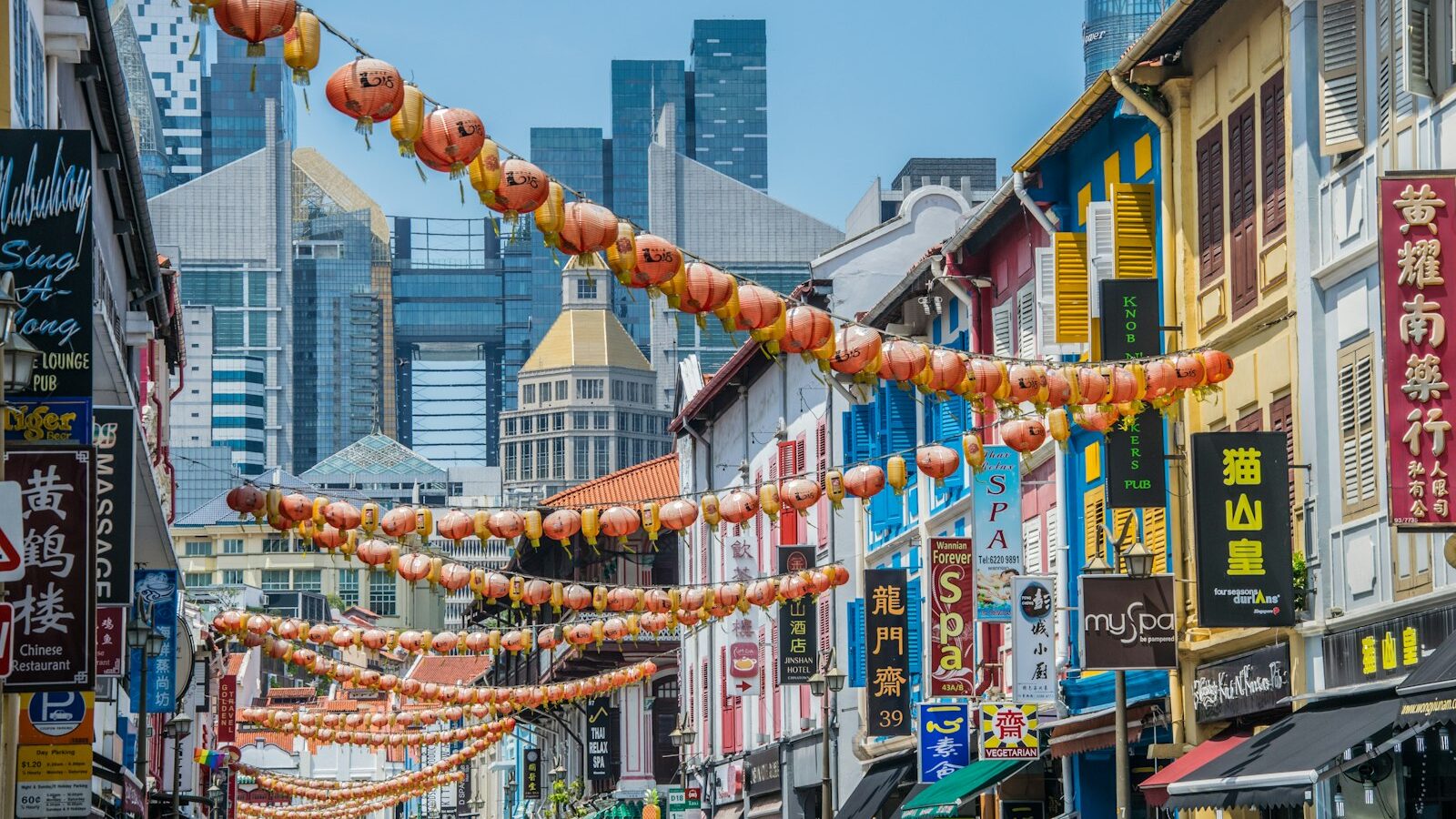
There is a particular kind of homesickness that only a good soup can fix. When you want to simmer a pot of herbal chicken, top up your wolfberries, or find the exact dried scallops your family always used, knowing where to shop makes all the difference. The market for Chinese dried goods and tonics Singapore offers is wide and welcoming, from historic Chinatown shophouses to the aisle in your neighbourhood supermarket. This guide walks you through where to buy what, how to shop well, and how to think about tonics sensibly, so you can recreate the flavours of home with confidence.
Chinatown, the Traditional Heartland
For the widest and most atmospheric selection, Chinatown remains the heartland. The streets around Smith Street, Trengganu Street, and Sago Street, along with the wet-and-dry stalls inside Chinatown Complex, are packed with specialist shops selling exactly the ingredients you grew up with.
Here you will find dried-goods shops with sacks and jars of everything a soup or braise needs: dried mushrooms, black fungus, wolfberries (goji), red dates, dried scallops (conpoy), dried oysters, cuttlefish, abalone, sea cucumber, fish maw, and a wall of herbs for tonic soups. Many shops are family-run and generations old, and the staff often know their stock intimately. Do not be shy about asking what a herb is for or how much to use; a good shopkeeper will happily guide you, and this is one of the pleasures of buying in person rather than online.
Chinatown is also where you find the premium end, such as high-grade conpoy, bird’s nest, and ginseng, sold by weight. Prices climb quickly at this level, so it pays to compare a few shops and to buy small quantities first when you are learning what you like.
Supermarkets for Everyday Restocking
For everyday needs, you rarely have to travel far. Major supermarket chains carry a solid range of dried goods and basic tonic ingredients, which is perfect for routine restocking without a special trip.
- FairPrice, including the larger FairPrice Finest and Xtra outlets, stocks packaged wolfberries, red dates, dried mushrooms, longan, and ready-mixed soup packs.
- Sheng Siong is particularly strong on Chinese cooking ingredients and dried goods at everyday prices, reflecting its heartland roots.
- Chinese and Asian supermarkets such as those catering to the mainland community carry mainland brands, dried goods, sauces, and snacks that feel closer to home.
Supermarket packaging is convenient and clearly labelled, which is helpful when you are still learning local names for familiar items. The trade-off is a narrower range and fewer premium or loose options than a specialist shop. For a weeknight herbal soup, though, a pre-mixed soup pack from the supermarket is an easy and reliable starting point.
TCM Shops and Tonic Specialists
When you want proper tonic ingredients, or a made-to-order herbal mix, the place to go is a traditional Chinese medicine (TCM) shop. Established names such as Eu Yan Sang, along with countless independent medical halls in Chinatown and the heartlands, sell ginseng, cordyceps, dang gui (angelica), astragalus (bei qi), codonopsis (dang shen), and ready-packed soup and tonic bundles for common purposes like post-recovery nourishment or warming soups.
Many TCM shops have a physician on site, and this is worth knowing. If you want a tonic tailored to you rather than a generic soup pack, you can consult the physician, who may prescribe a custom herbal mix. Prices for tonics vary enormously with grade and rarity, so ask about the grade you are buying and start modest.
A gentle but important note: information from a shop about what a tonic is traditionally used for is general and cultural, not medical advice. Tonics and herbs can interact with medication and are not suitable for every person or condition. If you are pregnant, managing a health condition, taking prescribed medicine, or buying for a child or an elderly relative, speak to a doctor or a qualified, licensed practitioner before starting a tonic regime. Enjoy these ingredients as part of a food and wellness tradition, and keep genuine health questions with a medical professional.
Comparing Where to Shop
Different sources suit different needs, and most households end up using a mix. The table below compares the main options to help you decide where to go for a given purchase.
| Source | Best for | Trade-off |
|---|---|---|
| Chinatown specialists | Widest range, premium grades, expert advice | A special trip, prices vary |
| Supermarkets | Convenient everyday restocking | Narrower range, fewer loose options |
| TCM medical halls | Tonics, ginseng, custom herbal mixes | Higher prices, needs some knowledge |
| Online and marketplace | Convenience, home delivery | Harder to judge quality by eye |
| Wet markets | Fresh-adjacent dried goods, local prices | Varies by market and stall |
The main takeaway is to match the source to the task: supermarkets for the weekly pot, Chinatown or a medical hall for the special soup or a quality tonic.
Shopping Smart for Quality and Value
Dried goods reward a careful eye, and a few habits help you buy well and store what you bring home.
- Buy small first. With premium items like conpoy, ginseng, or bird’s nest, start with a small quantity until you know the grade and taste you prefer.
- Use your senses. Good dried goods smell clean and characteristic, not musty. Mushrooms should be firm, wolfberries plump and bright rather than dull or sticky.
- Ask about grade and origin. Shopkeepers expect it, and grade explains most of the price difference between two similar-looking products.
- Store dry and sealed. In Singapore’s humidity, keep dried goods in airtight containers, and refrigerate delicate items like conpoy and wolfberries to prevent spoilage and pests.
- Compare a few shops in Chinatown for the pricier ingredients before committing to a larger purchase.
With a little know-how, restocking your pantry becomes one of the small joys of settling in. The ingredients that anchor your family’s cooking are all here, whether you want a quick supermarket soup pack on a rainy evening or an afternoon browsing Chinatown for the perfect dried scallops. Shop with curiosity, ask questions freely, and keep health matters with a professional, and you will be simmering the flavours of home in no time.
Explore more
Great ingredients deserve good company on the table. Put your dried goods to work in a Chinese hotpot at home in Singapore, satisfy cravings with where to buy imported China snacks in Singapore, and if you are carrying favourites back yourself, read bringing food and drink from China through customs first.