
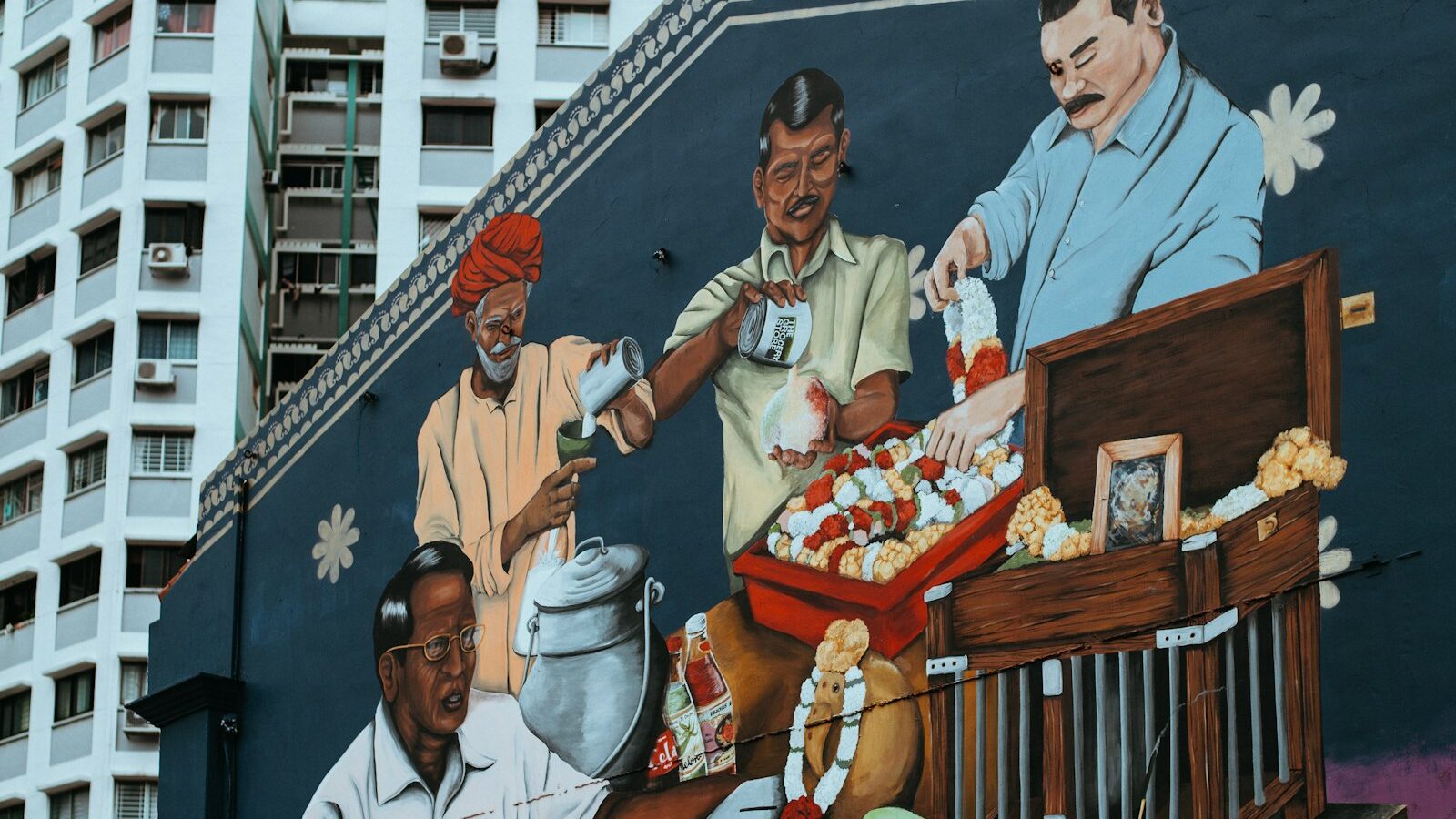
For many newcomers from the mainland, tea is less a drink than a thread back home. The good news is that chinese tea in Singapore is easy to find and easy to love, once you know the vocabulary and the shops. This guide walks through the culture, the main families of leaf, the everyday and the ceremonial ways to brew, and the practical question that follows quickly after arrival: where do you actually buy decent tea here?
Think of it as a friendly orientation rather than a lecture. You already know how to drink tea; this is about mapping familiar habits onto a new city, and picking up a few local quirks along the way.
A Shared Heritage, a Slightly Different Everyday
Tea travelled to Singapore with generations of migrants, so the culture here is genuinely Chinese at its root, yet shaped by a tropical, multicultural city. You will notice small differences. Where a mainland office might keep a big flask of green tea topped up all day, a Singapore hawker centre runs on teh and kopi, strong local brews poured with condensed or evaporated milk. Both traditions sit happily side by side, and part of the fun of settling in is learning to enjoy the local cup without giving up your own.
Chinese tea culture also shows up in quieter corners. Older kopitiams still serve plain Chinese tea in a pot, dim sum houses bring a pot of pu-erh or chrysanthemum to cut the richness, and the ritual of pouring for others before yourself remains a warm, wordless way of showing respect. That gesture reads the same here as it does back home.
The Main Families of Chinese Tea
If the wall of tins in a shop feels overwhelming, it helps to remember that most Chinese teas fall into a handful of families, sorted mainly by how much the leaf is oxidised. Knowing these names makes shopping and ordering far easier.
- Green tea (绿茶): unoxidised and fresh, such as Longjing and Biluochun. Fragrant, grassy, best drunk young.
- White tea (白茶): barely processed and gentle, like Baihao Yinzhen, prized for a soft, sweet character.
- Oolong (乌龙): partly oxidised and hugely varied, from light Tieguanyin to roasted Wuyi rock teas and Taiwanese high-mountain oolong.
- Black tea (红茶): fully oxidised, known in Chinese as hong cha, including Keemun and Lapsang Souchong; malty and warming.
- Dark or fermented tea (黑茶): aged teas led by pu-erh, which many families keep for years and value for its smooth, earthy depth.
You do not need to master all of these at once. Pick one or two you already like, get to know a reliable version, and let curiosity do the rest over your first year.
Gongfu Brewing and Everyday Steeping
There are two comfortable ways to make Chinese tea, and both belong in a newcomer’s kitchen. Everyday steeping is exactly what it sounds like: leaves in a mug or a simple pot, topped up through the morning. Gongfu brewing is the more attentive style, using a small gaiwan or clay pot, more leaf, less water and many short infusions, so the flavour unfolds cup by cup. Neither is better; they suit different moods.
| Approach | Everyday steeping | Gongfu style |
|---|---|---|
| Vessel | Mug, glass or large pot | Gaiwan or small clay teapot |
| Leaf amount | A pinch to taste | Generous, filling much of the vessel |
| Water | Fills the cup or pot | Small pours, just covering the leaves |
| Time per cup | One long steep, topped up | Several short infusions |
| Best for | Busy mornings and the office | Slow weekends and sharing with guests |
A quick word on water and heat, since both matter more than the priciest leaf. Green and white teas prefer water a little below boiling, while oolong, black and pu-erh are happy near the boil. Singapore tap water is safe and generally soft enough, though many tea lovers filter it for a cleaner taste. Start gentle, adjust to your palate, and you will find your own rhythm.
Where to Buy Tea in Singapore
Once you know what you like, sourcing it is straightforward. Singapore offers everything from cheap, cheerful daily tea to serious collector-grade leaf, so match the shop to the occasion.
- Chinatown and heritage tea shops: the streets around Chinatown hold long-established tea merchants where you can smell, ask questions and often taste before buying. Ideal for pu-erh, oolong and a proper tin of something special.
- Supermarkets and provision shops: major chains and neighbourhood stores stock reliable everyday green, oolong and chrysanthemum, both loose and in bags, at friendly prices.
- Specialty and premium tea houses: boutique brands and tea rooms across the city sell curated single-origin leaf and gift sets, and many run tasting sessions worth attending as a beginner.
- Wet markets and medical halls: traditional shops often carry chrysanthemum, dried longan and pu-erh, handy if you like the herbal, comforting end of the spectrum.
- Online: local e-commerce and the shops’ own sites deliver islandwide, which is convenient, though buying in person first helps you judge quality before you commit to a big order.
If you are used to ordering leaf on Taobao, you will find local platforms and shops fill the same role, with the bonus that you can chat to a real merchant and pick their brains. When in doubt, buy a small amount, drink it for a week, and only stock up on what earns a place in your cupboard.
Storing Tea and Sharing It Well
Tea rewards a little care, especially in a humid climate. Keep leaves in an airtight, opaque tin away from heat, light and strong smells, and buy green and white teas in smaller amounts since they fade fastest. Pu-erh is the exception, as some people age it deliberately, but even then it wants a stable, odour-free spot rather than a damp cupboard.
Sharing tea is where the culture truly lives. When you pour for others first, tap two fingers lightly on the table to thank a host who fills your cup, and keep a spare set of small cups for visitors, you carry a familiar warmth into a new home. It is one of the easiest ways to feel settled, and to make friends across communities who share the same quiet love of a good pot.
Explore more
Tea pairs naturally with food, so if you enjoy the bolder end of the table, see our guides on where to find Sichuan and mala food and where to find Cantonese dim sum, since a pot of pu-erh is dim sum’s best friend. Newcomers still learning local customs may also like our overview of Singapore superstitions and taboos.