
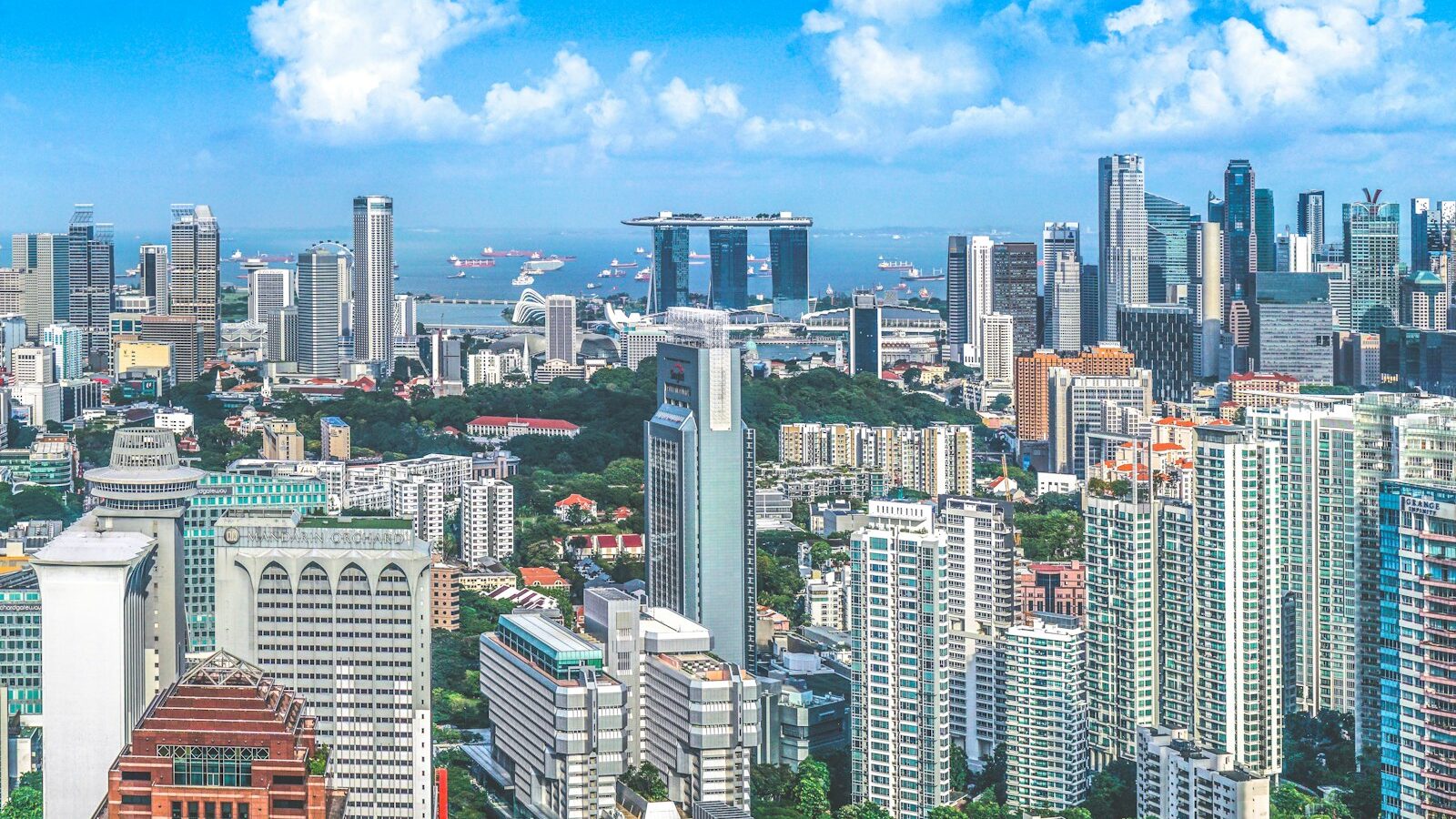
If you are a non-citizen wondering whether Singapore will let you own a home here, the short answer is yes, within clear limits. So the real question is not simply “can foreigners buy property” but which types you may buy, what extra costs you face, and where you need government approval first. This guide walks through the rules in plain language so you can plan before you fall in love with a listing.
Please treat everything below as general information, not legal, tax or financial advice. Rules and figures change often, so confirm the current position with the official bodies (URA, IRAS, HDB, MAS) and get advice specific to your situation from a conveyancing lawyer, a MAS-regulated mortgage adviser and a CEA-registered property agent before you commit.
What “Foreigner” Means Here
Property rules in Singapore turn on your residency status, not just your nationality. For housing, people generally fall into three groups: Singapore citizens, Singapore permanent residents (PRs), and foreigners (everyone else, including those on work passes or long-term visit passes). This article focuses on the last group. If you hold PR status, your options are wider and different, so read our companion guide on buying property as a permanent resident instead.
The key law for foreign ownership of landed homes and vacant land is the Residential Property Act, administered through the Singapore Land Authority. It restricts “restricted residential property”, which is mainly landed housing, and treats most apartments and condominium units differently. Your immigration status also affects your Additional Buyer’s Stamp Duty (ABSD) rate and your access to a home loan, so it shapes the whole budget.
What Foreigners Can and Cannot Buy
As a broad rule, foreigners can freely buy private non-landed homes, such as condominium units and apartments in a building of six storeys or more, without special approval. Landed property and most public housing are where the restrictions bite. Here is the general picture; treat it as a starting map, not the final word, and verify the current rules for your exact case.
| Property type | Can a foreigner buy? |
|---|---|
| Private condo or apartment (non-landed) | Yes, generally no approval needed |
| Executive Condominium (EC) after privatisation | Yes, once it is fully privatised |
| New or under-MOP EC, and all HDB flats | No, not open to foreigners |
| Landed house (terrace, semi-detached, bungalow) | Only with Government approval |
| Landed home in Sentosa Cove | Yes, with faster approval for a home to live in |
A few points behind the table are worth spelling out. HDB flats, whether bought new from HDB or resale, are not open to foreigners at all. An Executive Condominium starts life with public-housing conditions and only becomes fully private after it clears its Minimum Occupation Period and later privatises; our note on the EC minimum occupation and privatisation explains that timeline. Landed homes are “restricted property” and normally need approval from the Land Dealings Approval Unit, which weighs factors such as whether you are a PR and your economic contribution to Singapore. Sentosa Cove is the well-known exception where foreigners may buy a landed home to live in, subject to conditions.
The Extra Costs to Budget For
The purchase price is only part of what you pay. Every buyer in Singapore pays Buyer’s Stamp Duty (BSD) on the price or value of the property. On top of that, foreigners pay Additional Buyer’s Stamp Duty (ABSD), and the ABSD rate for foreigners is the highest of any buyer group. ABSD has been raised several times through the cooling measures, so do not rely on an old figure you saw online.
Because these rates change and are set by policy, this guide will not quote a number. Instead, check the current ABSD and BSD rates directly on the IRAS website before you make an offer, and read our overview of Additional Buyer’s Stamp Duty explained and the wider property cooling measures for context on why they exist and how often they move. One useful nuance: some foreigners who are nationals of countries with a relevant free trade agreement with Singapore may be treated the same as citizens for ABSD. Whether that applies to you is a legal question, so ask your conveyancing lawyer rather than assuming.
Other costs to plan for include:
- Legal and conveyancing fees for the lawyer who handles your purchase.
- The option fee and deposit payable when you exercise the Option to Purchase.
- Valuation, agent’s commission where applicable, and any renovation.
- Ongoing costs such as maintenance charges, property tax and, for a rented-out home, income tax on the rent.
How the Buying Process Works
The practical steps for a foreigner are broadly the same as for anyone buying private property, with an approval step added only if you are buying restricted (landed) property. In outline:
- Sort out financing first. Foreigners can often obtain a home loan from a bank here, but the loan-to-value limit, income checks and the Total Debt Servicing Ratio apply, and you cannot use CPF because you do not contribute to it. A mortgage broker can compare bank offers for you.
- Engage a CEA-registered agent if you want representation, and verify the agent on the CEA public register before paying anyone anything.
- View, negotiate and secure the unit through the Option to Purchase, paying the option fee to reserve it.
- Appoint a conveyancing lawyer early. See engaging a conveyancing lawyer for what they do, from title checks to completion.
- Exercise the option and pay the stamp duties within the deadlines, then complete the purchase and collect the keys.
If your target is a landed home outside Sentosa Cove, add an application to the Land Dealings Approval Unit before you can complete, and expect it to take time and to not be guaranteed.
Avoiding Costly Mistakes and Scams
Foreign buyers are sometimes targeted precisely because they may be less familiar with local practice. Never transfer money to a “landlord” or “agent” you have not verified, never pay before your lawyer confirms the arrangement, and report anything suspicious to the Police or through ScamShield. Confirm any agent’s licence on the CEA register first.
Two honest reminders. Property can fall in value as well as rise, and no one can promise you a return, so buy a home you can hold comfortably rather than a bet you must flip. And do not structure a purchase, for example by adding or removing owners, to reduce duty; arrangements designed to avoid ABSD have drawn IRAS scrutiny. If your circumstances are unusual, pay for proper legal and tax advice before signing anything. It is far cheaper than a mistake on a purchase this size.
The Bottom Line
So, can foreigners buy property in Singapore? Yes for most private non-landed homes, with the highest ABSD, no CPF and no access to HDB flats, and with Government approval for landed property outside Sentosa Cove. Do your sums on the full cost, confirm the current rules and rates with IRAS, URA and MAS, and lean on a conveyancing lawyer, a mortgage adviser and a licensed agent to guide your specific purchase.
Related across Sky Media: Buying Property as a Foreigner in Singapore · Buying Property Under a Company in Singapore