
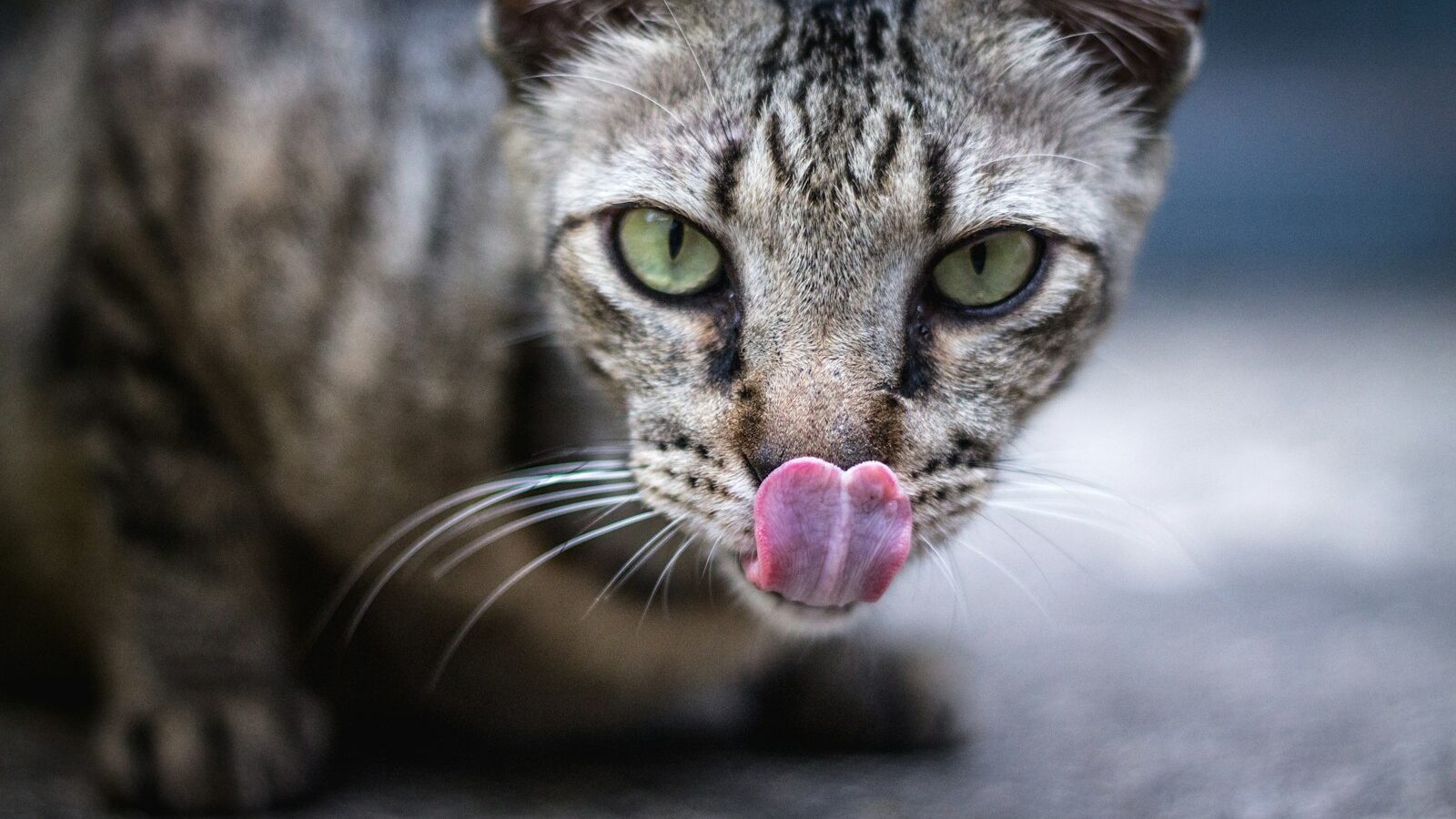
With their spotted, marbled coats and athletic build, Bengal cats look almost wild, and their energetic, playful nature matches the striking appearance. If you are considering a Bengal cat in Singapore, the single most important thing to understand is that this is a very active, intelligent breed that needs a lot of enrichment and exercise to be happy in a flat. This guide covers what living with a Bengal really involves, plus grooming, health, and the responsibilities of ownership. As always, remember that every cat is an individual, so treat breed notes as general tendencies.
A Bengal is a long commitment of well over a decade, and an under-stimulated one can become frustrated and destructive, so be honest about whether you can meet its needs. Consider adoption, as Bengals and Bengal mixes do turn up in rescues, and always check current AVS (Animal & Veterinary Service, under NParks) rules and use only responsible, licensed sources if you buy. Note too that some hybrid or “early generation” wild-cross cats can face restrictions, so confirm what is actually permitted before committing.
Energy and enrichment come first
Bengals are often described as one of the most active and demanding cat breeds. They love to climb, jump, chase, and explore, and many enjoy water play and learning tricks. Without enough outlets, that energy can turn into knocked-over objects, scaled curtains, and vocal complaints. Meeting a Bengal’s needs is therefore the heart of good care.
Set your home up with vertical space, tall cat trees, wall shelves, and secure perches so your Bengal can climb and survey its territory. Rotate a variety of toys, provide puzzle feeders to make mealtimes a challenge, and schedule daily interactive play sessions with wand toys to burn off energy. Many Bengals take well to clicker training and even harness walks, which give their clever minds a job to do. Our guide to indoor cat enrichment and play is especially useful for this high-energy breed. A second compatible cat can also help, though it is not a substitute for your time.
Grooming and everyday care
The Bengal’s short, dense coat is easy to maintain. A weekly brush usually keeps it sleek and removes loose hair, and most Bengals tolerate grooming well when introduced early. Keep nails trimmed, check ears, and look after dental health, and provide a clean litter tray and fresh water at all times. Feed a measured, good-quality diet suited to an active cat, and keep an eye on body condition.
Heat, safety, and Singapore living
The Bengal’s short coat copes reasonably with our climate, but heat still matters. Ensure constant access to shade, cool resting spots, good airflow, and fresh water, and use fans or air-conditioning on hot days. Watch for panting, drooling, or lethargy, which can signal overheating, and cool your cat and call a vet if they appear. For more, see keeping pets cool in Singapore’s heat.
Because Bengals are such agile climbers and jumpers, high-rise safety is essential. Mesh or secure all windows and balconies, as an athletic cat can leap or slip and suffer a serious fall. Our guide to window and high-rise safety for cats explains how to make an HDB flat or condo safe.
Health and your vet
Bengals can carry certain breed predispositions, including some heart, eye, and digestive conditions in particular lines. This is general information and not a diagnosis, so work with a vet for regular check-ups, vaccinations, parasite prevention, and dental care, and plan ahead for costs with a savings buffer or pet insurance. Sterilising your cat is encouraged.
See your vet if you notice changes in appetite, weight, litter box habits, breathing, or behaviour. Treat sudden or severe signs, such as difficulty breathing, collapse, repeated vomiting, or a male cat straining and unable to pass urine, as emergencies and go to a 24-hour or emergency vet at once. Never give human medicines or guess doses, as many are toxic to cats, and only medicate as prescribed by your vet.
The right home for a Bengal
A Bengal can be a spectacular, engaging companion, but only in a home ready to match its energy and curiosity. Be realistic about the time and stimulation involved, lean on your vet for health decisions, and give adoption serious thought. If you are still deciding, our guide to choosing a cat or kitten will help you plan for a happy, well-exercised cat.