
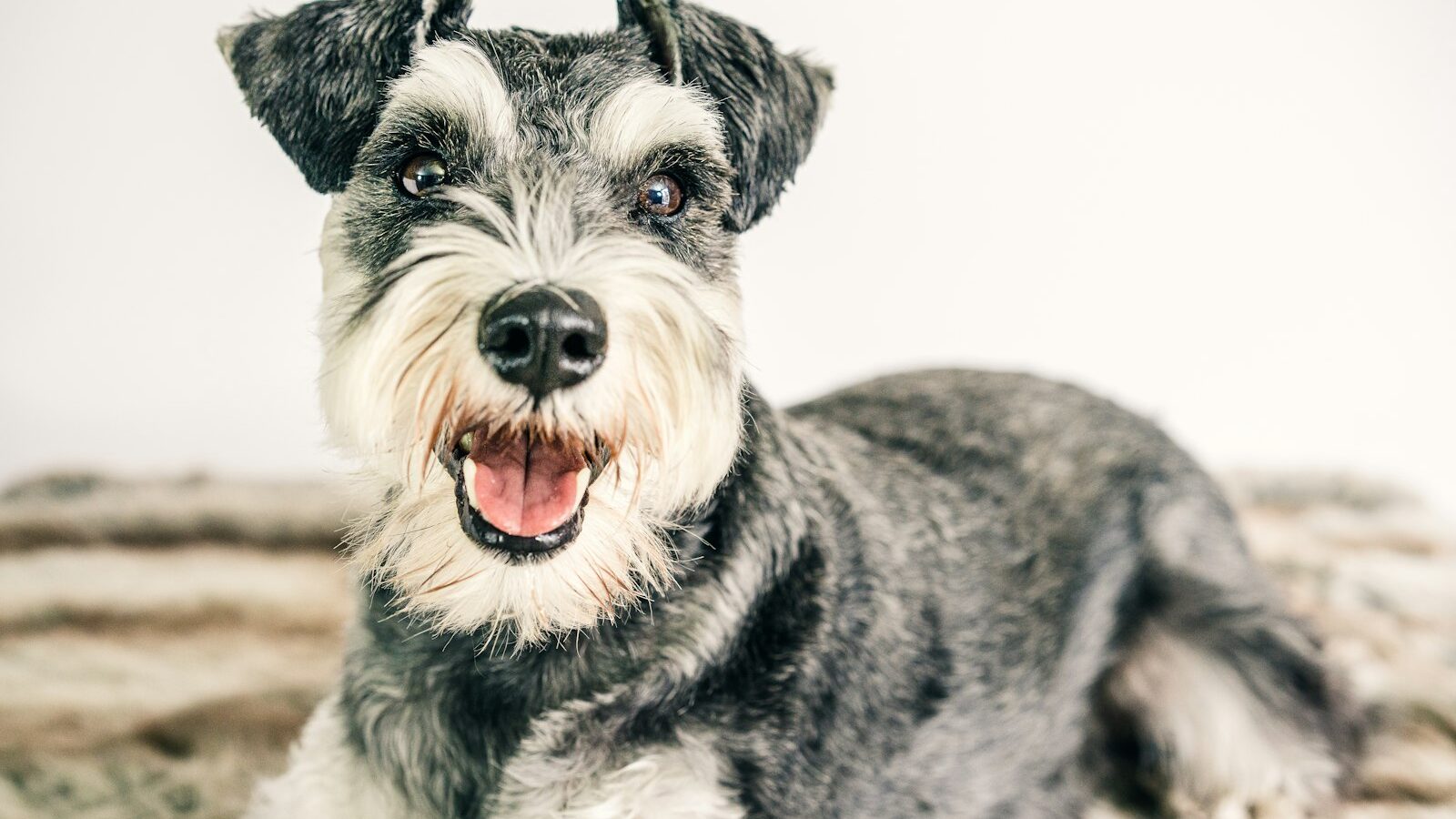
The miniature schnauzer is one of the most recognisable small dogs on our island, with its bushy eyebrows, neat beard, and bright, busy personality. If you are thinking about a schnauzer in Singapore, or you already share your flat with one, this guide walks through what daily life with the breed really looks like, from that famous wiry coat to exercise, health, and the local rules you need to follow. Every dog is an individual, so treat this as a general picture rather than a promise about your particular companion.
Temperament and daily life
Miniature schnauzers are people-loving, alert, and clever. They were bred as farm dogs to catch vermin, and that history still shows in their curiosity, their strong prey drive around small moving things, and their willingness to sound the alarm. Many are enthusiastic barkers, so early, kind training to manage noise is worth the effort, especially in a shared HDB corridor. Reward-based training that teaches an alternative to barking, rather than punishing it, tends to work best.
This is a smart breed that enjoys having a job to do. Short daily training sessions, puzzle feeders, and games keep a schnauzer’s quick mind satisfied and help prevent boredom-driven mischief. Positive, reward-based methods suit them well. They tend to bond closely with their families and can dislike being left alone for long stretches, so plan companionship, enrichment, or a sitter into your routine.
Exercise in our climate
Despite their size, miniature schnauzers are energetic and need real daily exercise, think brisk walks plus play and sniffing time, not just a quick toilet trip. Their wiry coat gives some protection, but Singapore’s heat and humidity still tire dogs quickly, so walk in the cooler early morning or evening, carry water, and rest in the shade. Watch for heavy panting, drooling, or slowing down, which can signal a dog is overheating and needs to cool off. For more on keeping walks safe year-round, see keeping pets cool in Singapore’s heat.
Because of their prey drive, a secure harness and lead matter, and a reliable recall takes patience to build. Off-lead time is best in enclosed dog runs rather than open ground near roads or drains.
Grooming that wiry coat
The schnauzer’s double coat is one of the biggest commitments of the breed. Traditionally the harsh outer coat is hand-stripped, but most pet owners in Singapore opt for regular clipping at a groomer every four to eight weeks. Between grooms, brush a few times a week to prevent matting, and pay special attention to the beard and leg furnishings, which trap food, water, and grime and can get smelly or irritated if left damp. Keep the beard clean and dry, check the ears, and keep nails trimmed. Our overview of dog grooming in Singapore covers finding a groomer and what to expect.
Health to watch
Miniature schnauzers are generally hardy, but the breed has some known predispositions worth understanding so you can spot problems early. These can include eye conditions, skin issues, urinary stones, and pancreatitis, which is why many owners are careful about fatty foods and table scraps. They can also be prone to raised blood fats. None of this means your dog will fall ill, and none of it can be diagnosed at home.
Everything here is general information, not veterinary advice. For any diagnosis, treatment, or medication, see a licensed vet, and never give human medicines to a dog, as many are toxic to pets. For sudden severe signs such as repeated vomiting, a swollen or hard belly, collapse, or difficulty breathing, go to an emergency or 24-hour vet straight away. Routine vaccinations, parasite prevention, sterilisation, and an annual check-up are the foundation of good care. If you are choosing a clinic, choosing a vet in Singapore can help.
Rules, sourcing, and adoption
Dogs in Singapore must be licensed and microchipped, and HDB flats allow only approved breeds, generally one dog per flat. The miniature schnauzer is an HDB-approved breed, but always confirm current AVS and HDB rules before you commit. Sterilisation is encouraged.
If you have decided the breed suits your home, please choose a responsible, licensed source, and give serious thought to adoption. Schnauzers and schnauzer crosses do turn up in local shelters and breed rescues, and rehoming an adult dog can be deeply rewarding. Our guide on adopting vs buying a pet in Singapore weighs up the options honestly.
A caring wrap-up
A miniature schnauzer can be a wonderful, spirited companion for an active household that enjoys grooming, training, and daily walks. Be honest with yourself about the coat upkeep, the exercise needs, and the long-term cost and time involved, because a dog is a commitment for its whole life, not an impulse. Get the basics right, keep up with your vet, and you will have a loyal, characterful friend for many happy years.