
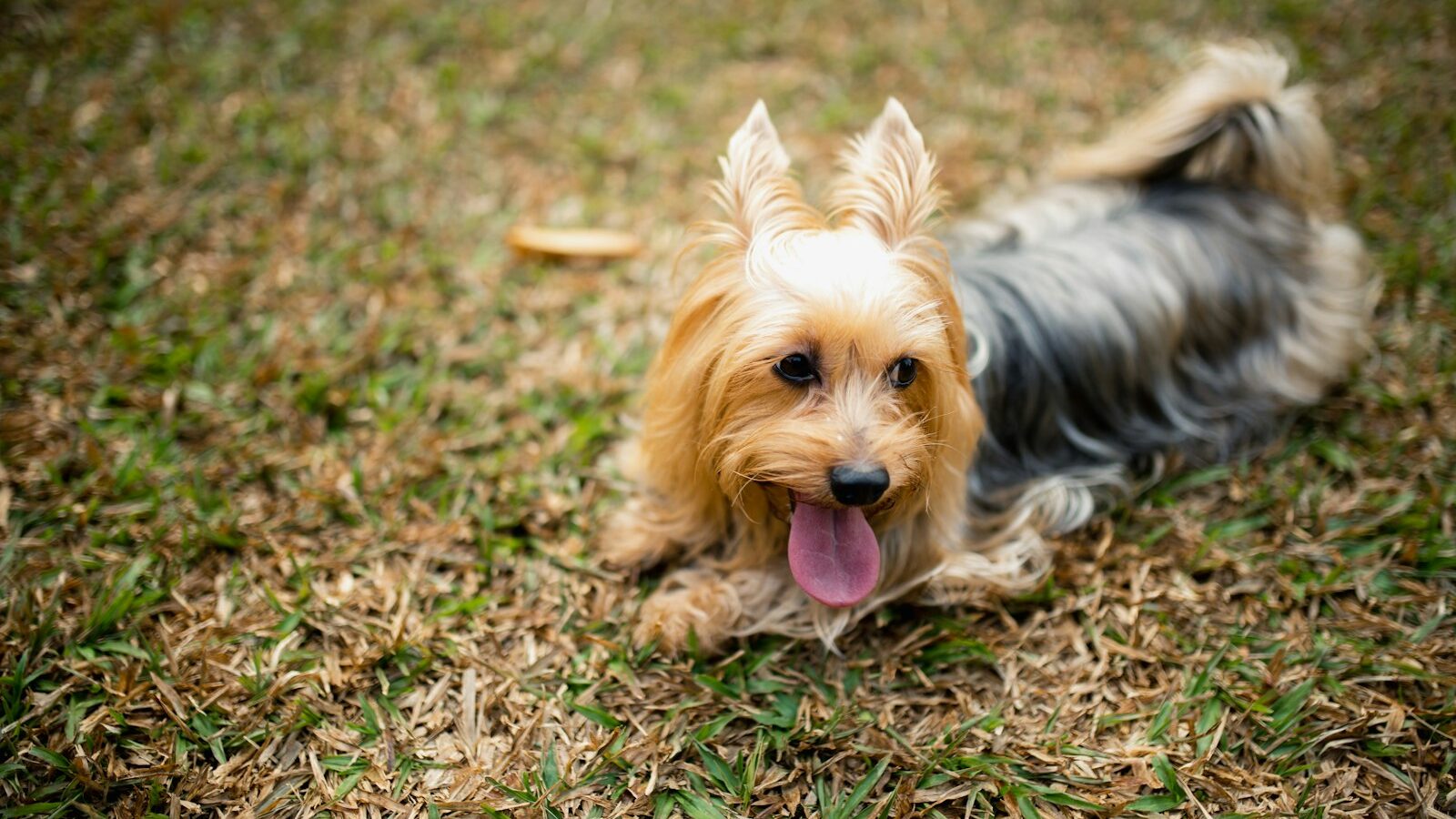
Dignified, bold and unmistakable in silhouette, the Scottish terrier is a small dog with an outsized personality, and a scottish terrier singapore owner soon learns to respect that independent little mind. Bred to hunt vermin in the Scottish highlands, the Scottie is confident, determined and famously self-reliant, wrapped in a hard wiry coat and a compact, sturdy body. This guide covers temperament, coat care in our climate, exercise, common health considerations and the local rules, so you can decide whether a Scottie suits your home. Every dog is an individual, and your own licensed vet is always your best source of advice.

Temperament and daily life
Scotties are typically loyal, brave and dignified, often devoted to one or two people rather than being an all-comers social butterfly. They are affectionate with their families but can be aloof with strangers and other dogs, and they carry a strong independent streak that some describe as stubbornness. This is a terrier that thinks for itself.
That character means early, patient, reward-based training and good socialisation matter from puppyhood. Scotties can be territorial and quick to alert-bark, which is worth managing early in close HDB and condo living. They also keep a real prey drive and a fondness for digging, so a securely enclosed space and a reliable recall are worth building. Force rarely works with a Scottie, but fairness and consistency do.
Coat care in our humidity
The Scottish terrier wears a hard, wiry outer coat over a soft dense undercoat, with that trademark longer furnishing on the beard and legs. Traditionally the coat is hand-stripped to keep its texture, though many pet owners choose regular clipping instead. Either way, plan on frequent brushing at home to prevent mats in those furnishings, plus regular professional grooming every few weeks.
In our heat and humidity, keep the coat clean and fully dry after baths or wet walks, and watch the skin for itching, redness or a musty smell, seeing a vet early if anything flares. To understand the routine and what a salon does, read our overview of dog grooming in Singapore.
Exercise in the tropics
Despite their short legs and small size, Scotties are active and need daily exercise and play. A couple of shorter walks a day plus games and some nose work usually keep them satisfied and out of mischief. Their curious, busy nature means mental stimulation matters as much as physical, so puzzle feeders and short training sessions help.
Heat is a real risk here. Walk in the cooler early morning or evening hours, avoid hot pavements, bring water, and watch for heavy panting, drooling or wobbliness. Never leave a dog in a parked car, even for a moment. A Scottie’s compact size makes flat living workable, but only with proper daily activity.
Care at a glance
| Need | What to expect |
|---|---|
| Size | Small and sturdy, low to the ground but solid |
| Energy level | Active, needs daily walks plus play and mental work |
| Coat care | Regular brushing plus hand-stripping or clipping at a groomer |
| Watch closely | Barking, digging, prey drive and an independent streak |
| Climate note | Copes if walked in cool hours and kept clean and dry |
Common health considerations
Every breed has predispositions, though responsible breeding or adoption and good care reduce the risks, and every dog is an individual. Scotties can be prone to certain skin conditions, joint and knee issues, and some breed-linked conditions, among others. This is general information, not a diagnosis. Only a licensed vet can assess your dog, so keep up with vaccinations, parasite prevention, dental care and routine check-ups. See a vet promptly if anything seems wrong, and treat trouble breathing, collapse, not eating or drinking, seizures or suspected heatstroke as an emergency needing a vet now. Our notes on common dog health issues can help you know what to watch for.
Rules, cost and adoption
Before getting any dog, check the current AVS (Animal and Veterinary Service, under NParks) and HDB rules. HDB flats allow only approved breeds and generally limit the number of dogs per flat, so confirm your chosen breed is permitted where you live using the HDB-approved dog breeds list. All dogs must be licensed and microchipped, and sterilisation is encouraged. Budget for food, grooming, boarding and vet care, because a dog is a commitment of a decade or more. Please also consider adoption over an impulse buy and choose a responsible source. Give a Scottie the training, grooming and companionship it needs, and you will have a brave, devoted little character by your side for years to come.
Frequently Asked Questions
Are Scottish Terriers good with children? They can be, but they are better with respectful older children than with noisy, grabby toddlers. A Scottie is dignified and independent, and it may snap or walk away if pushed. Teach children to give it space, and supervise play.
How do I stop a Scottie from barking at every sound in a flat? Start early and reward quiet. Scotties are alert and territorial, so they report every footstep. Teach a calm command, tire the dog out with walks and play, and avoid shouting. Block the view from windows or doors if that sets it off.
Why does a Scottish Terrier seem to pick one favourite person? The breed is known for strong loyalty to one or two people, and it can be aloof with everyone else. That is normal temperament, not a flaw. Socialise a puppy widely so it stays polite with visitors, even if it never becomes a social butterfly.
How is a Scottish Terrier different from a Cairn Terrier? A Scottie is more dignified, reserved and single-minded, with a longer beard and leg furnishing. A Cairn is usually seen as friendlier, more adaptable and shaggier. Both are small terriers with digging and prey instincts.
Do Scottish Terriers need to be groomed professionally? Home brushing helps, but professional grooming every few weeks keeps the wiry coat and furnishings in order. Whether you hand-strip or clip, brush often so the beard and leg hair do not mat. Dry the coat fully after wet walks in our humidity.
Further reading: Caring for a Cairn Terrier in Singapore · Caring for an Airedale Terrier in Singapore · Caring for a West Highland Terrier in Singapore