
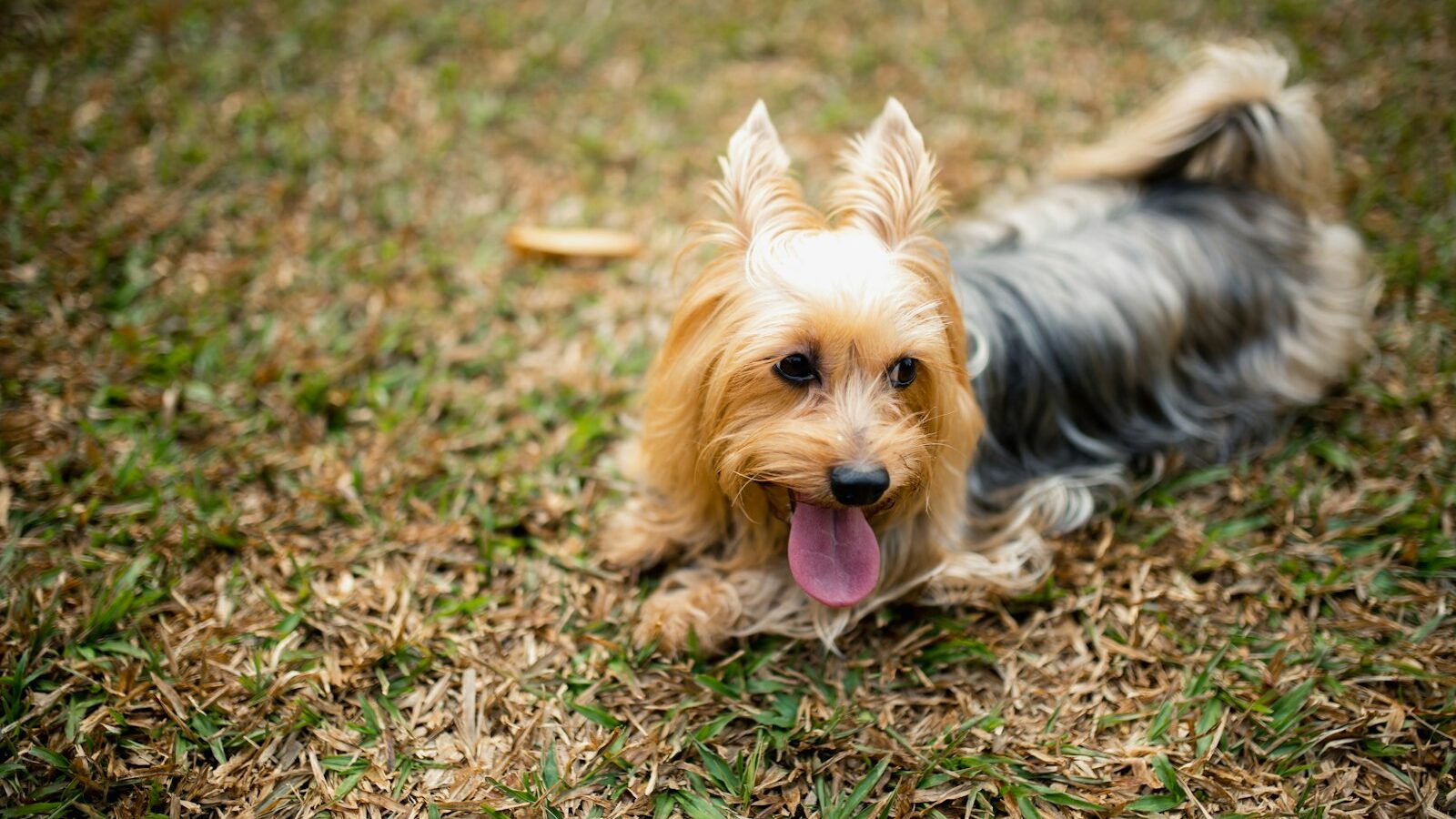
Despite the name, the Tibetan Terrier is not really a terrier at all. It is an ancient companion breed from the Himalayas, bred to live alongside monastery families and to cope with cold, rugged conditions. That heritage matters when you keep a tibetan terrier singapore style, because the same long, protective double coat that once guarded against mountain winters now has to work in year round heat and humidity. This guide gives you an honest, practical picture of what daily life with the breed is like here, so you can decide with your eyes open rather than on impulse.

Temperament and daily life
Tibetan Terriers are affectionate, loyal, and famously sensitive to their people. They tend to bond closely with the household and can be a little reserved or watchful with strangers, which makes early, gentle socialisation important. They are intelligent and playful, but they also have an independent streak, so training works best with patience, consistency, and reward rather than harsh corrections. A calm, positive approach along the lines of good dog training and obedience practice suits them well.
In terms of space, this is a medium sized dog that can adapt to condo or flat living as long as it gets daily activity and company. They are not a breed that copes well with being left alone for long hours. Boredom and loneliness can show up as barking, restlessness, or destructive chewing. If your household is out all day, think honestly about whether you can meet their need for engagement before bringing one home.
Grooming and the double coat
The coat is the headline commitment. A Tibetan Terrier has a soft undercoat and a longer outer coat that, left natural, can grow to floor length. It mats easily, especially behind the ears, under the legs, and around the collar area. Expect to brush thoroughly several times a week, and to visit a groomer regularly. Many Singapore owners choose a shorter “puppy cut” for comfort and easier upkeep, and a professional dog grooming service can help you settle on a length that works for your lifestyle.
One firm rule applies here. This is a double coated breed, and you should not shave it down to the skin in an attempt to keep it cool. The double coat actually helps regulate temperature and protects the skin from sun and irritation, and shaving can damage how it regrows. Trimming to a sensible length is fine. Shaving to the skin is not the answer to our heat.
Living with the heat
Singapore is warm and humid all year, which is the opposite of what this breed was built for. That does not make ownership impossible, but it does mean heat management is a daily responsibility rather than an afterthought. Keep your dog in cool, shaded, well ventilated areas during the hottest part of the day, offer cool floor surfaces and constant fresh water, and use fans or air conditioning when it is very warm. Walk during the cooler morning and evening hours, and keep midday outings short. For a fuller routine, see our guide on keeping pets cool in Singapore’s heat.
Learn to spot heatstroke, which is an emergency. Warning signs include heavy panting, drooling, bright red gums, weakness, vomiting, or collapse. Move the dog to shade, offer water, cool them gradually, and get to a vet urgently. And never leave your dog in a parked car, even for a few minutes and even with the windows cracked. Inside a stationary car the temperature climbs to deadly levels fast.
Health, exercise and food
Tibetan Terriers are generally hardy, but like all breeds they have conditions worth knowing about, including hip issues, eye problems such as progressive retinal atrophy and lens luxation, and some inherited conditions. This is general information, not a diagnosis. For anything specific, work with a licensed vet, and if you see red flag signs such as trouble breathing, collapse, seizures, a swollen hard abdomen, or a refusal to eat or drink, treat it as an emergency and seek emergency vet care straight away.
The table below sums up the everyday commitment at a glance.
| Care area | What to expect |
|---|---|
| Coat | Long double coat, brush several times weekly, regular grooming, do not shave to skin |
| Exercise | Daily walks and play, cooler hours, moderate energy |
| Heat | Sensitive to our climate, needs shade, cool areas and hydration |
| Temperament | Affectionate, loyal, sensitive, dislikes long hours alone |
| Health watch | Eyes, hips and some inherited conditions, see a vet |
Feed a balanced diet suited to age and size, keep an eye on weight since extra kilos strain the joints, and remember that some human foods such as chocolate, grapes, raisins, onion, garlic, caffeine and the sweetener xylitol are toxic to dogs.
A caring, honest wrap-up
A Tibetan Terrier can be a devoted, gentle companion for the right Singapore household, but it asks for real grooming time, daily company, and careful heat management in return. Please do not buy on looks alone. Consider whether adoption is right for you, choose a responsible source if you buy, license your dog as required, and match the breed’s needs honestly to your home and routine. Do that, and you will have a loyal friend who fits happily into life here.
Frequently Asked Questions
Is a Tibetan Terrier good with children? Usually, yes. They are affectionate, playful and loyal to their household, though sensitive. Teach children to be gentle, because rough handling can upset a Tibetan Terrier. Reserved with strangers, it benefits from early, positive socialisation.
What is progressive retinal atrophy, and can it be tested for? Progressive retinal atrophy is an inherited eye disease that gradually damages the retina and can lead to blindness. Responsible breeders test parents for it, so ask to see results. If your dog bumps into things or seems hesitant in dim light, see a vet.
Can a Tibetan Terrier be jogging or running partner in the heat? Not in our climate, and not at midday. This is a moderate-energy dog, and its heavy coat makes hard exercise risky. Stick to steady walks and play in the cooler morning or evening hours, and stop if your dog pants heavily or slows.
Does a Tibetan Terrier need air-conditioning to live in Singapore? Not strictly, but cooling makes a real difference. A shaded, well-ventilated space with fans, cool floors and fresh water can help on mild days. On very hot days, air-conditioning is the safer choice for a long-coated breed.
Is a puppy cut or a full coat better for a Tibetan Terrier? A shorter puppy cut is usually more comfortable and easier to maintain in the heat. A full coat looks dramatic, but it mats readily and demands thorough brushing several times a week. Whichever you choose, trim rather than shave to the skin.
Further reading: Caring for a Lhasa Apso in Singapore