
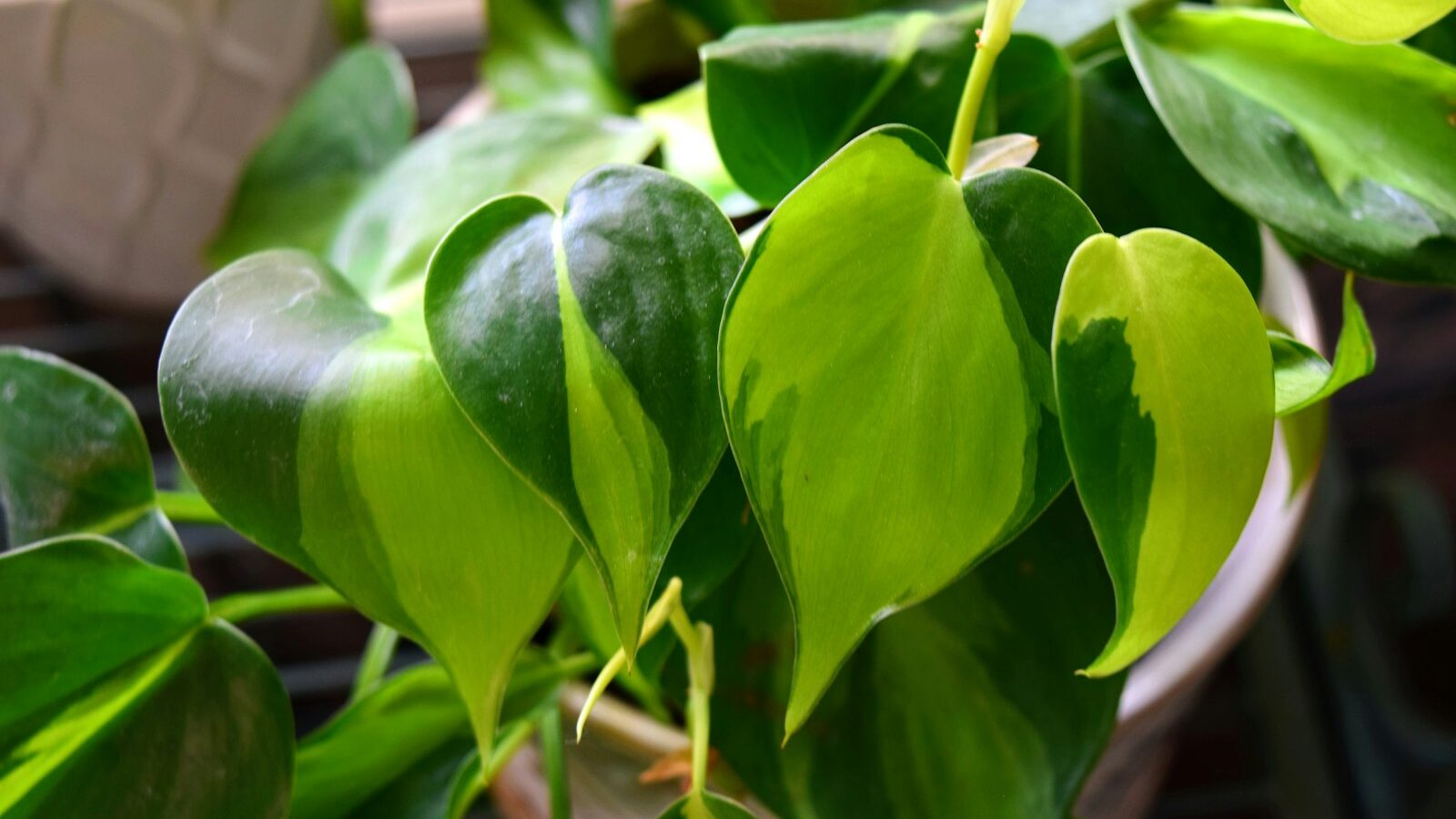
If you want a lush, leafy home without a lot of fuss, pothos and philodendron are two of the friendliest plants you can start with. They trail, they climb, they forgive the odd missed watering, and they cope well with the warm, humid conditions we live in all year round. This guide to pothos and philodendron care in Singapore keeps things simple and practical, so even a first-time plant owner in a small HDB flat can get growing with confidence.
Both plants look similar at a glance, which is part of the confusion for beginners. The good news is that their care is almost identical, so once you learn to look after one, you can look after the other. Let us walk through light, water, soil, feeding and a few safety points, then finish with the easy joy of making more plants for free.
Telling Pothos and Philodendron Apart
You will often see these two sitting side by side at the nursery, and honestly, you do not need to identify them perfectly to keep them happy. Still, a few clues help. Pothos (often sold as golden pothos or “money plant”) tends to have thicker, slightly waxy leaves with a bit of a ridge, and new growth unfurls without a papery sheath. Heartleaf philodendron has softer, thinner leaves that are usually a deeper green, and its new leaves emerge from a thin protective sheath that dries and drops off.
Here is a quick comparison to help you choose and care for each.
| Feature | Pothos (Golden Pothos) | Heartleaf Philodendron |
|---|---|---|
| Leaf feel | Thicker, slightly waxy, often variegated | Softer, thinner, deeper green |
| Light needs | Low to bright indirect | Low to bright indirect |
| Watering | When top 2cm to 3cm is dry | When top 2cm to 3cm is dry |
| Growth habit | Vigorous trailer and climber | Fast, elegant trailer |
| Best for | Shelves, low-light corners | Hanging pots, corridors with shade |
As you can see, their needs overlap almost entirely, which is exactly why they are such a good pairing for a beginner collection.
Light and Placement in an HDB Home
Both plants are famous for tolerating low light, and that makes them ideal for the interior of a flat where direct sun rarely reaches. A spot a metre or two back from a bright window, or beside a north-facing or shaded balcony door, is close to perfect. They will also survive in dimmer corners, though growth slows and variegated pothos may turn greener as it stretches for light.
What they do not enjoy is harsh, direct afternoon sun through glass, which can scorch the leaves and dry the pot out fast in our heat. If your only bright spot gets fierce midday sun, filter it with a sheer curtain. A common corridor with soft, indirect light can work well too, but keep pots tidy and never block the walkway, as corridors must stay clear for fire safety and access. Rules vary, so defer to your town council, HDB and SCDF guidance.
If you notice long gaps between leaves and pale growth, your plant wants a little more light. Simply shift it closer to a window and it will bush up again.
Watering, Humidity and Mosquito Safety
Overwatering is the most common way these plants come to grief, so let the soil guide you rather than a fixed schedule. Push a finger into the mix and water only when the top 2cm to 3cm feels dry. In our humidity, that might mean roughly once or twice a week, but check first every time rather than watering by habit. When you do water, water thoroughly until it runs from the drainage holes, then let the excess drain away.
This is where a genuinely important Singapore point comes in. Never let water sit and stagnate in the pot saucer, tray or any decorative outer pot, because standing water is exactly where Aedes mosquitoes breed, and dengue is a real risk here. Tip out any water that collects in the saucer within a few minutes of watering, keep trays dry between waterings, and avoid hardened, compacted soil that traps water on the surface. Following NEA’s anti-mosquito advice is part of responsible plant care, not an afterthought.
Humidity is rarely a problem for us, since our air is naturally moist, which is one reason these tropical plants feel so at home here. You will not need a humidifier. Wiping the leaves with a damp cloth now and then keeps them glossy and helps the plant breathe.
Soil, Pots and Feeding
A well-draining potting mix is your best friend. A general aroid or indoor potting mix, or a standard mix loosened with some perlite or coco chips, gives roots the air they need and stops water from pooling. Whatever pot you choose, it must have drainage holes. A pot without drainage is the fastest route to root rot in our climate.
For pots, there is no need to overspend. Budget plastic nursery pots work perfectly well and are light for balconies and shelves, while mid-range and premium ceramic or terracotta pots simply look nicer. Prices vary a lot between shops, so check the nursery, hardware store or online listing rather than assuming a figure. You can find both plants and affordable pots at nurseries around Sungei Tengah and Thomson, at Far East Flora, at IKEA, and through many online sellers.
Feed lightly during the growing months with a balanced liquid fertiliser diluted to around half strength, roughly once a month. More is not better. Always follow the product label, keep fertilisers and any pest treatments away from children and pets, and lean towards eco-friendly or organic options where you can.
A Safety Note for Pets and Children
There is one thing every owner should know. Both pothos and philodendron are toxic if eaten, as they contain calcium oxalate crystals that can irritate the mouth, throat and stomach. This is a general caution, not a medical reference, and it is not exhaustive. Keep these plants well out of reach of curious pets and young children, ideally up on a high shelf or in a hanging pot. If a pet or child does chew or swallow any part of a plant, stay calm and contact a vet, a doctor, or the Poison Information Centre for advice. When in doubt about any plant in your home, verify its safety yourself.
Propagating More Plants for Free
Here is the fun part, and the reason these plants spread so happily through friend groups. Both root easily from cuttings. Snip a healthy stem just below a node (the small bump where a leaf meets the stem), remove the lowest leaf, and pop the cutting into a jar of water. Keep it in bright, indirect light and change the water regularly, and remember that any open jar of water counts as a mosquito breeding spot, so refresh it every few days and never leave it forgotten. In a couple of weeks you should see white roots appear. Once they are a few centimetres long, plant the cutting into moist potting mix and treat it like a grown plant.
This is a lovely, low-cost way to fill your home, share with neighbours, or replace any leggy growth. Start with one healthy plant, take a few cuttings, and before long you will have a small green collection of your own.
Explore more
If you are just getting started, our beginner’s guide to houseplants in Singapore is a gentle place to begin, and pothos features on our list of the best low-maintenance indoor plants. Since these two thrive out of direct sun, you may also enjoy our roundup of the best plants for low-light homes.