
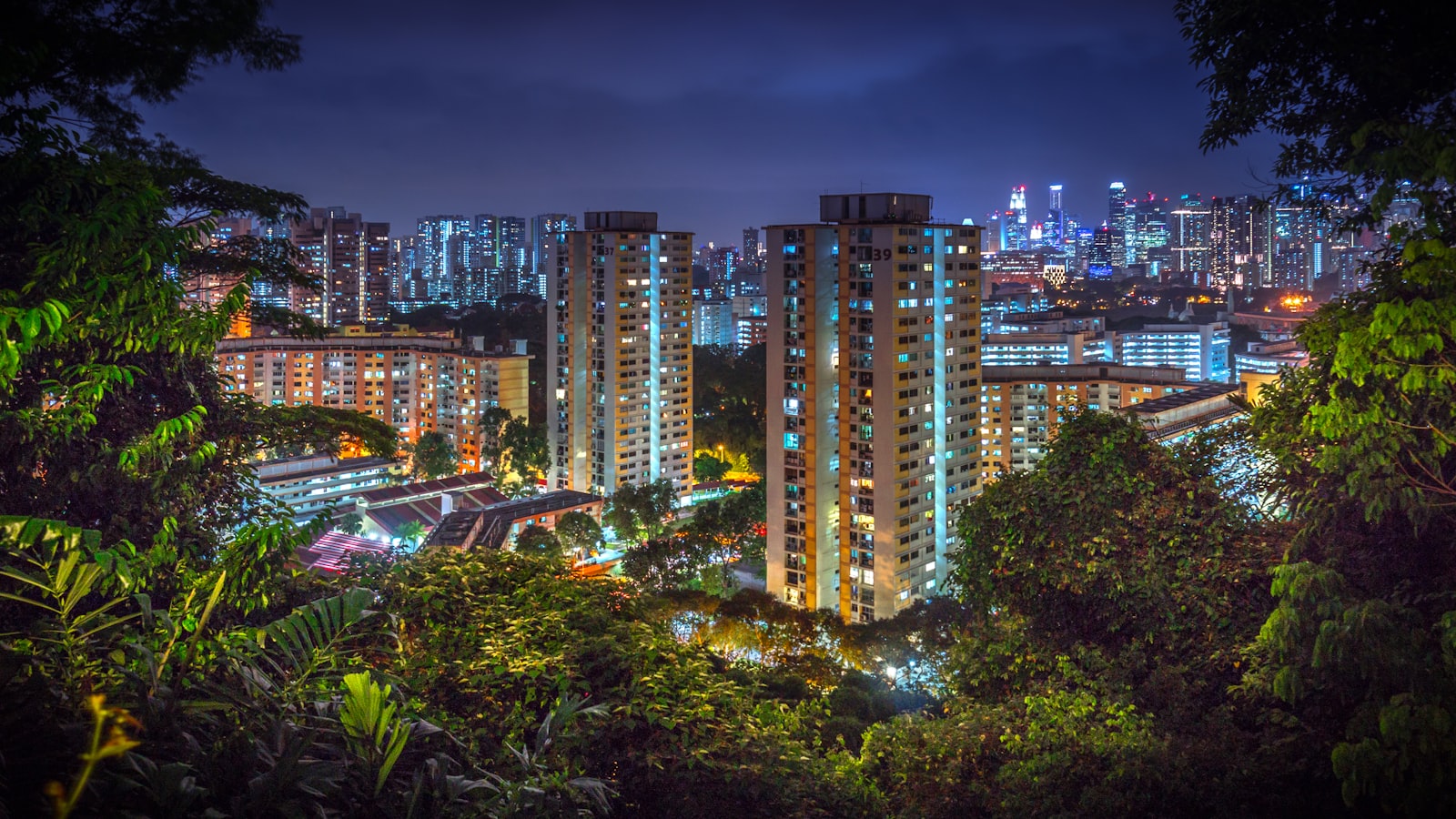
Not every home is blessed with big, sunny windows, and that is perfectly fine. Plenty of Singapore flats have interior living rooms, north-facing units, or corners that the sun never quite reaches, and yet they can still be full of green. The best low-light plants for Singapore homes are tough, forgiving species that grow happily away from bright windows, so you can enjoy houseplants even in a dim HDB corner or a shaded room.
Low light does not mean no light, though, and that is the first thing to understand. This guide explains what “low light” really means indoors, shows you the most reliable plants for shady spots, and shares simple care tips to keep them thriving without stress.
What “Low Light” Really Means Indoors
It helps to be honest about your space before you shop. Low light indoors usually means a spot that is a few metres from a window, a room with a shaded or covered balcony, or an area lit mainly by reflected daylight rather than direct sun. If you can comfortably read a book there during the day without switching on a lamp, most of these plants will cope.
True darkness, such as a windowless bathroom or an interior store, will not support living plants for long. In those spots you either rotate plants in and out to give them a light break, or use a small grow light. For the rest of this guide, we are talking about genuinely dim but not black corners, which describe a great many homes here.
Our tropical climate actually helps in one way: the warmth and natural humidity suit these species, so the main variable you are managing is light rather than temperature.
The Most Reliable Low-Light Plants
Some plants have earned a reputation for shrugging off shade, and these are the ones to reach for first. Here is a comparison of dependable choices you will find easily at local nurseries.
| Plant | Light tolerance | Care level | Good to know |
|---|---|---|---|
| Snake plant | Very low to bright | Very easy | Almost forgets you exist; hates soggy soil |
| ZZ plant | Very low to medium | Very easy | Glossy leaves; stores water in its roots |
| Pothos | Low to bright indirect | Easy | Trails beautifully; greens up in shade |
| Heartleaf philodendron | Low to bright indirect | Easy | Fast, elegant trailer for shelves |
| Cast iron plant | Low to medium | Easy | Lives up to its tough name |
| Ferns (e.g. bird’s nest) | Low to medium | Moderate | Love our humidity; keep evenly moist |
Any of these makes a strong starting point. If you want the most bulletproof options, begin with a snake plant or a ZZ plant, both of which tolerate neglect and dim light better than almost anything else.
Placing and Caring for Plants in Dim Rooms
Placement is where many people go wrong. Even shade-lovers appreciate being as close to whatever natural light exists as you can manage, so favour a spot near a window even if the light is soft and indirect. A shaded balcony, a corridor with gentle daylight, or a wall a metre back from a window all work nicely. If you use a corridor, keep pots neat and never obstruct the walkway, since common corridors must stay clear for fire safety, and rules vary by town council, HDB and SCDF.
The biggest care shift in low light is watering less. Plants in dim spots grow slowly and use far less water, so the soil stays wet for longer. Always check with your finger and water only when the top few centimetres are dry, then let the pot drain fully. Overwatering, not underwatering, is what kills most low-light plants.
Give the leaves an occasional wipe with a damp cloth too. Dust builds up on foliage and, in a dim room, blocks what little light the plant is trying to capture. A clean leaf is a more efficient leaf.
Watering, Saucers and Mosquito Safety
Because low-light plants sit wet for longer, mosquito safety deserves real attention here. Never let water collect and stagnate in the pot saucer, drip tray or decorative outer pot, because standing water is where Aedes mosquitoes breed, and dengue is a genuine risk in Singapore. After watering, tip out anything that pools in the saucer within a few minutes, and keep trays dry between waterings.
A few more simple habits keep you safe and your plants healthy. Avoid hardened, compacted soil that traps water on the surface, use pots with proper drainage holes, and if you root cuttings in a jar of water, change that water every few days rather than leaving it to sit. This is exactly the kind of standing water NEA’s anti-mosquito advice asks us to eliminate, and it protects your neighbours as much as you.
If you do choose to feed these slow growers, do so sparingly with a diluted balanced fertiliser, follow the product label, and keep any fertiliser or pest treatment away from children and pets.
A Quick Word on Safety and Where to Buy
Many popular low-light plants, including pothos, philodendron, snake plant and ZZ plant, are toxic if eaten, so keep them out of reach of pets and young children. This is general guidance, not an exhaustive or medical list, so verify each plant yourself, and if a pet or child swallows any plant material, contact a vet, doctor, or the Poison Information Centre.
When you are ready to buy, you have plenty of budget-friendly options. Nurseries around Sungei Tengah and Thomson, Far East Flora, IKEA, community nurseries and online sellers all stock these hardy plants, often at very reasonable prices. Prices vary between shops and seasons, so check the nursery or listing rather than assuming a figure. Start with just one easy plant, learn its rhythm, and let your shady corner slowly come to life.
Explore more
For a gentle overview, see our beginner’s guide to houseplants in Singapore, and for the toughest choices browse the best low-maintenance indoor plants. Two shade champions get their own deep dives too, in our guide to snake plants and ZZ plants and our guide to caring for pothos and philodendrons.