
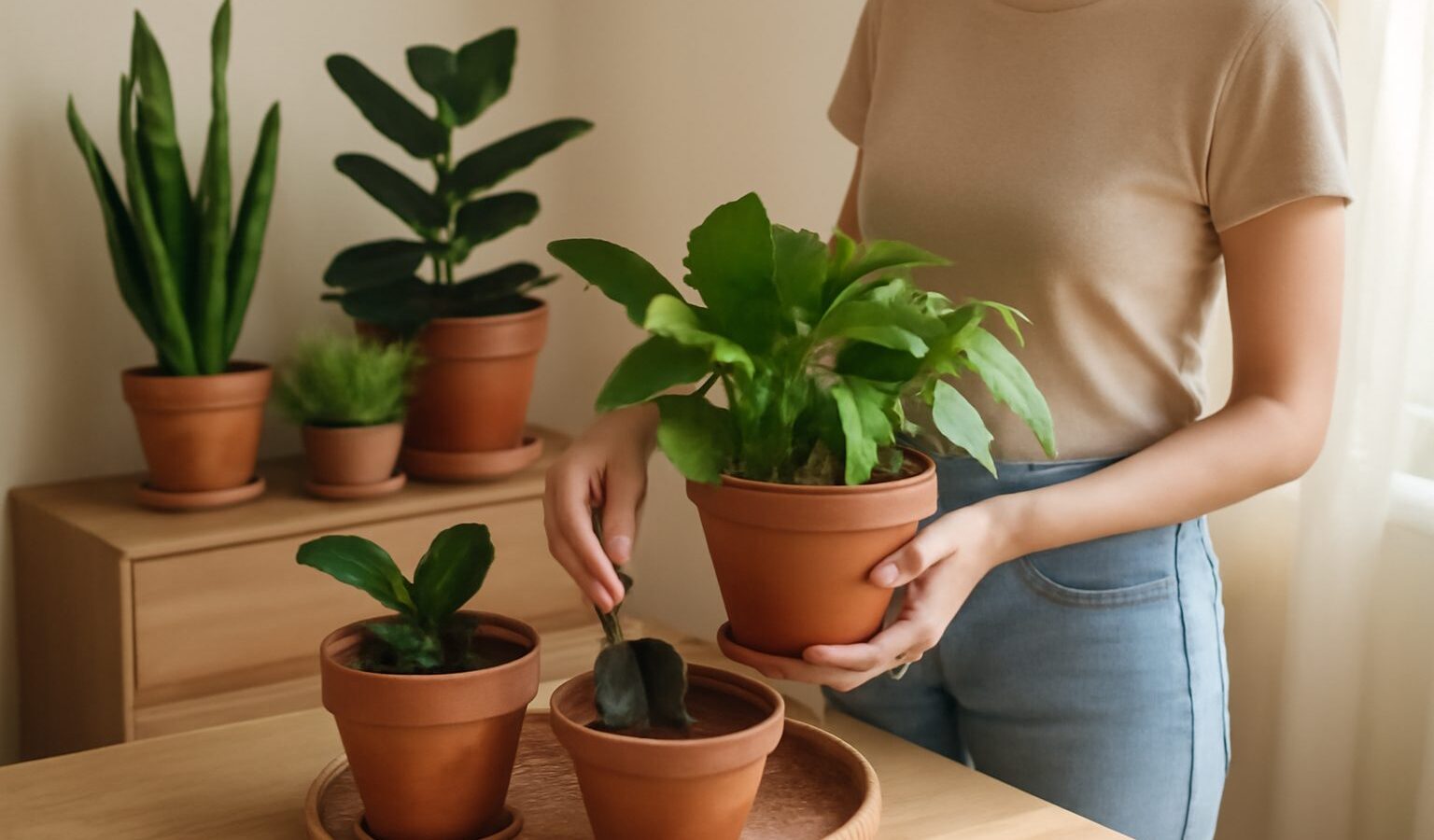
If you have ever wanted a bit more green at home but felt sure you would kill anything living, this is for you. Growing houseplants in Singapore is genuinely easier than most beginners expect, because our warm, humid, tropical weather is exactly what many popular indoor plants love. You do not need a garden, a balcony, or any experience. A single pot on a windowsill is a perfectly good start, and one healthy plant will teach you more than a shelf full of struggling ones.
This guide keeps things simple: what to buy first, how to read the light in your flat, how to water without drowning your plant, and how to stay on the right side of our very real dengue risk. Start small, celebrate the new leaf when it comes, and build from there.
Why Houseplants Do Well in Our Climate
Many of the trendiest houseplants come from tropical rainforests, so Singapore feels like home to them. Our steady warmth, high humidity and long daylight hours mean plants like pothos, snake plants and monstera grow happily indoors all year, with none of the winter dormancy that trips up gardeners in cooler countries.
That said, an HDB flat or condo is not a rainforest floor. The main differences to watch are light and airflow. Indoor spots are often darker than they look to our eyes, and air-conditioning dries the air and cools the room. The good news is that plenty of beginner-friendly plants cope well with both, so you can match the plant to your home rather than fighting your home to suit the plant.
Choosing Your First Plant
The best first plant is a tough one that forgives the odd mistake. Look for species known for handling low light, irregular watering and general neglect. These build your confidence while you learn to read what a plant needs.
Good starter houseplants for Singapore homes include:
- Snake plant (Sansevieria): thrives on neglect, tolerates low light, needs watering only when dry.
- Pothos (money plant): fast, leafy and happy to trail off a shelf; very forgiving.
- ZZ plant: glossy leaves, survives dim corners and forgetful owners.
- Spider plant: easy, and it makes baby plantlets you can pot up for free.
- Peace lily: droops dramatically when thirsty, so it tells you exactly when to water.
Buy one or two to begin with, not ten. Learning to keep one plant alive and watching it settle in teaches you far more than spreading yourself thin. Once you feel confident, a lower-fuss shortlist like the ones in our guide to the best low-maintenance indoor plants makes a natural next step.
Reading the Light in Your Home
Light is the single biggest factor in whether a houseplant lives or sulks. Before you buy, spend a day noticing how bright each spot actually is and which way your windows face.
- Bright, indirect light: near an east or north window, or a metre back from a sunny window. This suits most houseplants.
- Direct sun: a west-facing window or unshaded balcony ledge. Our tropical sun is fierce, so it can scorch tender leaves; only sun-lovers belong here.
- Low light: an inner corner, a bathroom, or a north-facing corridor. Choose from snake plants, ZZ plants and pothos, which cope with dimmer spots.
If your flat is genuinely dark, do not despair. Plenty of species are built for it, and our guide to the best plants for low-light homes goes deeper on this. You can also rotate a plant closer to the window for a few weeks to help it recover if it starts stretching towards the light.
Watering Without Drowning Your Plant (and Mosquito Safety)
More houseplants die from too much water than too little. The simplest rule for beginners is to check before you water: push a finger about two centimetres into the soil, and only water if it feels dry. In our heat a thirsty plant may need water every few days, while a snake plant might go a couple of weeks. Let the plant, not the calendar, decide.
Always use a pot with drainage holes so excess water can escape, and empty the saucer after watering. This last point matters enormously in Singapore. Never let water sit and stagnate in pot saucers, trays or decorative outer pots, because standing water is exactly where Aedes mosquitoes breed, and dengue is a serious, ongoing risk here. Tip out any collected water within a day, scrub saucers occasionally, and avoid soil that has gone hard and traps water on top. If you use a self-watering pot or a pebble humidity tray, top it up and refresh it regularly rather than letting it stand. Following NEA’s anti-mosquito advice is part of responsible plant care, not an afterthought.
Signs you are getting it wrong are easy to learn: yellowing lower leaves and soggy soil usually mean overwatering, while crispy brown edges and bone-dry soil mean the opposite. When leaves misbehave, our guide to common houseplant problems and fixes helps you diagnose the cause.
What You Need to Start and Where to Buy
You need very little to begin. A starter kit is really just a plant, a pot with drainage, and some potting mix.
| What you need | Budget option | Why it matters |
|---|---|---|
| The plant | One easy starter like pothos or a snake plant | Forgiving species build confidence |
| Pot | Any container with drainage holes | Prevents soggy roots and rot |
| Potting mix | A bag of general indoor potting mix | Garden soil compacts and drains poorly in pots |
| Saucer | A tray you empty after watering | Protects surfaces and stops mosquito breeding |
| Watering can | Any small can or an old bottle | Lets you water gently at the base |
Prices vary a lot between shops and seasons, so treat costs as rough bands and check the nursery or store before you buy. As a guide, small starter plants sit at the budget end, while large statement plants and glazed designer pots are premium. You do not need premium anything to succeed.
For buying, Singapore is spoilt for choice. Far East Flora and the cluster of nurseries around Sungei Tengah and Thomson are great for browsing in person, IKEA carries affordable common houseplants, and countless sellers offer plants and cuttings online. Community nurseries and plant swaps are wonderful low-cost sources too, and NParks’ Community in Bloom scheme can connect you with local gardeners happy to share tips and cuttings.
Settling In and Growing Your Confidence
Give a new plant a week or two to adjust before you worry. A few dropped or yellowing leaves after coming home is normal as it adapts to your light and humidity. Resist the urge to repot, fertilise and move it around all at once; stability helps it settle.
Once it is thriving, you can gently level up. Feed lightly during active growth with a suitable fertiliser, always following the product label and keeping it away from children and pets. When roots start poking out of the drainage holes, it is time to move up a pot size, and our guide on how to repot a houseplant walks you through it. Most of all, enjoy it. Every new leaf is a small win, and one happy plant on your windowsill is a brilliant place to begin.
Explore more
Ready for the next step? Browse the best low-maintenance indoor plants in Singapore for more forgiving picks, and see the best plants for low-light homes if your flat is on the dim side. When something looks off, our guide to common houseplant problems and fixes will help you set it right.