
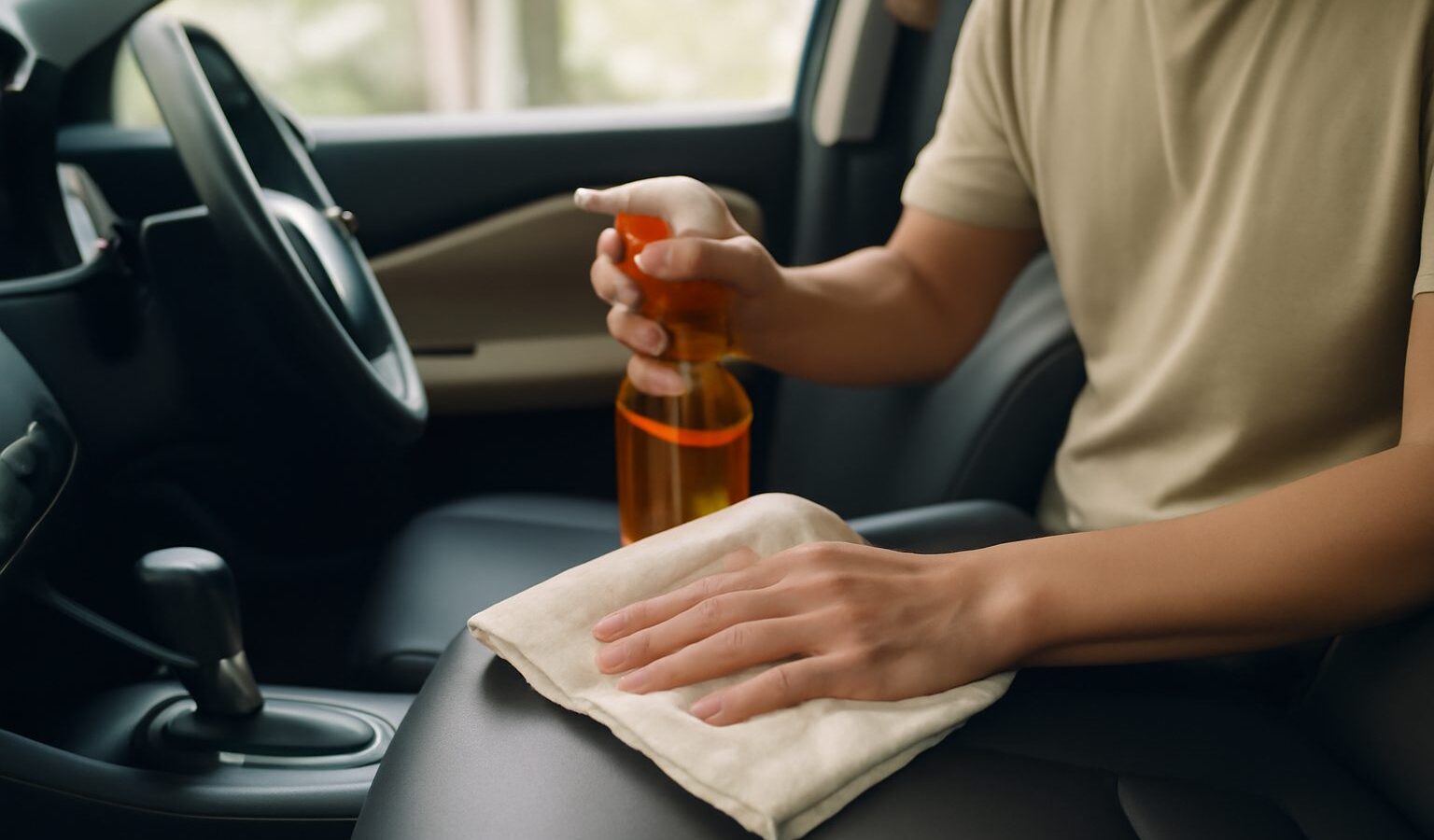
Singapore’s cabin climate is brutal on interiors. A car parked in the open swings from a humid morning to a baking afternoon and back, and every sudden downpour adds more moisture through wet shoes, umbrellas and open windows. That constant damp and heat is what breeds mould, musty smells and faded, cracked trim. Good car interior care here is mostly about controlling moisture and keeping the sun off the surfaces that suffer most. This guide covers practical habits for leather, fabric, dashboards and cabin air, as general information rather than professional detailing advice.
Why Humidity Is Hard on Your Cabin
Warm, damp air holds a lot of moisture, and your car interior soaks it up. Fabric seats, carpets, headliners and boot liners act like sponges, trapping water that struggles to dry out in a closed car. Add a little dirt or food residue as a food source, and mould and mildew take hold quickly, showing up as fuzzy spots and that unmistakable musty smell.
The classic Singapore trigger is trapped water: a damp umbrella left in the footwell, wet floor mats after a rainy commute, a small leak around a door seal, or a spill that soaked into the carpet underlay. Because the car spends hours sealed and hot, that moisture evaporates inside the cabin and condenses again, feeding mould rather than escaping. Controlling this moisture is the heart of interior care, and most of it costs little more than good habits.
Keep Moisture Out and Air Moving
Your first job is to stop water getting in and to help what does get in escape.
- Shake out and dry wet floor mats rather than leaving them soaking in the footwell. Rubber tray mats catch dripping water and are easy to empty and dry.
- Never leave a wet umbrella, damp towel or gym kit in the cabin. Store the umbrella in the boot or a waterproof sleeve.
- On a dry day, wind the windows down a crack while parked in a safe, covered spot, or run the fan to move air through the cabin.
- Run your air-conditioning regularly, as it dehumidifies as it cools. After heavy aircon use, switching to fresh air for the last few minutes helps dry the vents and reduce mustiness.
- Check door and window seals if you keep finding damp patches, as a perished seal lets rain seep in unnoticed.
Using Dehumidifiers and Fighting Mould
Reusable moisture absorbers are cheap and effective in our climate. Silica-gel dehumidifier bags or tubs sit under a seat or on the floor and pull damp out of the air; you dry them out in the sun or recharge them when the indicator says so, then reuse them. They are especially useful for a car that sits parked for days or lives outdoors.
If mould has already appeared, act early before it spreads through the upholstery.
- Park in a ventilated spot and open all the doors. Wear a mask, as mould spores irritate the airways.
- Vacuum the affected area first to lift loose spores and debris.
- Clean the spot with an appropriate upholstery or leather cleaner, working gently and not soaking the fabric, since excess water feeds the next outbreak.
- Dry the area thoroughly, ideally with the doors open on a sunny day or with a fan.
- Add a fresh dehumidifier bag and find the moisture source, whether a leak, a wet mat or a spill, so it does not simply return.
For widespread mould, a soaked carpet underlay or a smell you cannot shift, a professional interior detailer has the extraction tools to dry and treat the cabin properly. Do not mask a serious problem with air fresheners, which hide the smell without removing the cause.
Caring for Leather and Fabric Seats
Seats take daily wear plus the heat and damp, and the two main materials need different care.
| Concern | Leather seats | Fabric seats |
|---|---|---|
| Main enemy in humidity | Drying, cracking and mould on the surface | Absorbing moisture, stains and mildew |
| Routine care | Wipe down, clean and condition periodically | Vacuum often, spot-clean spills promptly |
| Sun protection | Keep out of direct sun to prevent cracking | Fading is the main sun risk |
| If a spill happens | Blot at once, avoid soaking | Blot, clean, then dry fully to stop mould |
For leather, wipe surfaces with a soft damp cloth to lift sweat and grime, then use a proper leather cleaner and conditioner now and then to keep the hide supple, as constant heat dries it out and leads to cracks. For fabric, regular vacuuming removes the dirt that mould feeds on, and prompt blotting and spot-cleaning of spills stops stains setting. Whatever the material, the golden rule in Singapore is to dry thoroughly after any cleaning, because a damp seat in a hot cabin is exactly how mould starts.
Protecting the Dashboard From Sun Damage
The dashboard and other plastic trims sit directly under the windscreen and cop the worst of the sun. Over time ultraviolet light and heat fade the colour, dry out the plastic and can cause cracking or warping on the top surface, which is expensive to replace.
- Use a windscreen sunshade whenever you park in the open. It is the single most effective step, cutting the heat and UV that reach the dashboard and the whole cabin, which also makes the car cooler when you return.
- Park in shade or covered carparks where you can, for the same reasons that protect your paint and your interior alike.
- Clean the dashboard with a soft cloth and a mild interior cleaner, and consider a matte protectant made for interior plastics. Avoid greasy, high-gloss dressings that create windscreen glare and attract dust.
- Do not leave items like lighters, aerosol cans, electronics or bottled drinks on a sun-baked dashboard, as extreme heat can damage or even burst them.
Building an Easy Interior Routine
Consistent car interior care is far easier than rescuing a mouldy, cracked cabin later. A realistic Singapore routine looks like this:
- Keep wet items out of the cabin and dry your mats after rainy days.
- Run the aircon regularly and air the car out when you can.
- Keep a dehumidifier bag in the car and recharge it on schedule.
- Vacuum and wipe down surfaces every week or two, and blot spills immediately.
- Use a sunshade every time you park outdoors, and condition leather periodically.
- Tackle any musty smell or damp patch early by finding and fixing the moisture source.
Done regularly, these small habits keep the cabin fresh, comfortable and worth more at resale. For stubborn mould, water damage, electrical damp or persistent smells you cannot trace, get a qualified detailer or workshop to inspect the car rather than letting the problem set in.