
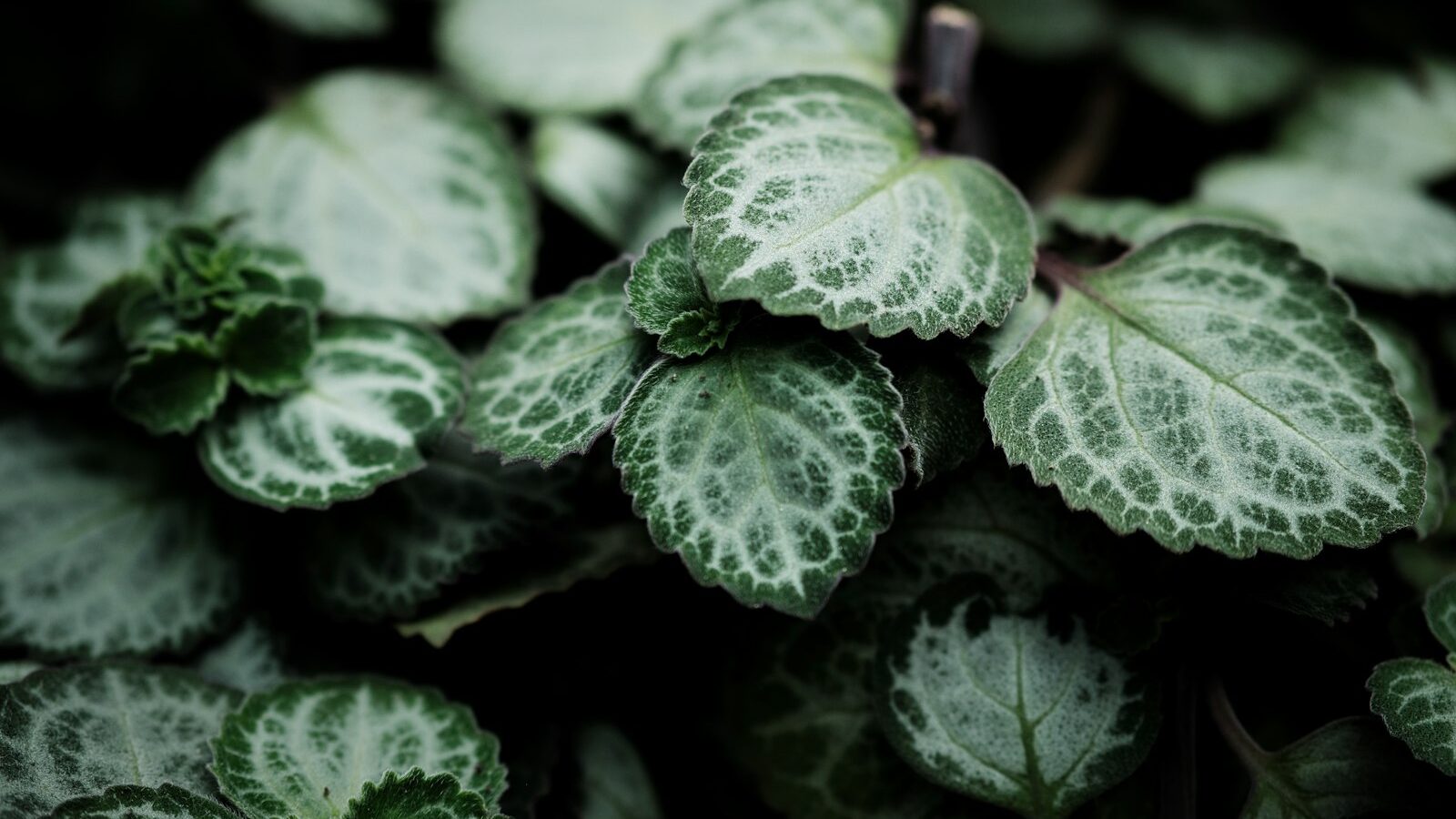
Many of us fill our HDB flats with greenery to soften the concrete and lift the mood. The trouble is that cats and toxic houseplants do not mix, and a curious cat living indoors will nibble, bat and chew almost anything within reach. Some of the most popular plants sold locally are harmful to cats, and a few are genuinely dangerous. This guide explains which common houseplants pose a risk, which ones are safer to keep, and what to do if your cat eats part of a plant. It is general information, not veterinary advice, so if you suspect poisoning, treat it as an emergency and call a vet straight away.
Why Indoor Cats Are Especially at Risk
Cats in Singapore are usually kept fully indoors, which is the responsible choice given traffic, heat and the risk of them going missing. But indoor life means your plants are often the only greenery they meet, and boredom or curiosity leads to chewing. Kittens and young cats explore with their mouths, and some cats genuinely enjoy the texture of leaves. A cat may also knock a pot off a shelf and investigate the soil, the leaves and any fertiliser pellets.
Cats are also small, so a dose of a toxin that a person would shrug off can seriously harm a four kilogram animal. On top of that, cats groom constantly, so pollen or sap that lands on their coat can be swallowed later when they lick themselves clean. This is exactly how lily pollen, one of the worst offenders, ends up poisoning cats that never appeared to eat the flower at all.
The Common Toxic Plants to Know
You do not need to memorise a botanical textbook, but it helps to recognise the usual suspects sold in nurseries, supermarkets and online here. The single most important one is the true lily.
- Lilies (Lilium and Hemerocallis, including Easter, Asiatic, tiger and day lilies): the most dangerous of all. Every part, including the pollen and even the water in the vase, can cause severe kidney damage in cats. This is a life-threatening emergency, and cut lilies in festive bouquets are a frequent hidden hazard. If you own a cat, the safest rule is simply no true lilies in the home.
- Pothos, devil’s ivy and philodendron: extremely common trailing plants. They contain insoluble calcium oxalate crystals that cause intense mouth burning, drooling, vomiting and swelling.
- Dieffenbachia (dumb cane): the same oxalate crystals, and enough to cause painful mouth and throat swelling.
- Peace lily and calla lily: despite the name these are not true lilies, but they still cause oral irritation and drooling from oxalate crystals.
- Aloe vera: popular and hardy, but the sap can cause vomiting and lethargy in cats.
- Sago palm: sold as an ornamental, and highly toxic. Even a few seeds can cause serious liver damage.
- Snake plant, ZZ plant and jade plant: trendy, low-maintenance choices that are still mildly to moderately toxic and cause stomach upset.
- Cut-flower bouquets: chrysanthemums, tulips, daffodils and baby’s breath are all problematic, so vet a gifted bouquet before bringing it inside.
Remember that “mildly toxic” still means a distressed, vomiting cat and an anxious night for you. And bear in mind that the same plant may carry several common names, so when in doubt, treat an unknown plant as unsafe until you can check.
Toxic Versus Cat-Safe: A Quick Comparison
Swapping a few plants makes a real difference. The table below pairs a risky favourite with a safer plant that gives a similar look or function, so your flat stays green without the worry.
| If you like this (toxic) | Try this instead (generally cat-safe) | Why the swap helps |
|---|---|---|
| Lily or bouquet blooms | Phalaenopsis orchid | Long-lasting flowers without the lily’s severe kidney risk |
| Pothos or philodendron trails | Spider plant | Similar trailing greenery, far gentler if nibbled |
| Aloe vera on the sill | Areca or parlour palm | Leafy structure and easy care, without aloe’s sap upset |
| Dieffenbachia foliage | Calathea or peperomia | Bold patterned leaves with no oxalate burning |
| A grazing target for the cat | Cat grass or catnip | Gives chewers a safe outlet and spares your other plants |
“Generally safe” means unlikely to poison, not that a large amount will never cause a mild tummy upset. Any plant material can irritate a sensitive stomach, so still discourage heavy chewing and keep pots tidy.
Keeping Plants and Cats Apart at Home
In a compact flat, separation and enrichment do most of the work. A few practical habits go a long way.
- Grow the risky plants out of reach or not at all. Hanging baskets help, but agile cats often reach higher than we expect, so a truly determined chewer may need the plant kept in a room they cannot access.
- Give your cat its own greenery. A tray of cat grass or a pot of catnip redirects the urge to chew and reduces interest in your display plants.
- Enrich the space. Bored cats chew more, so add vertical perches, window views, scratching posts and daily play to burn off energy.
- Handle bouquets with care. Assume any gifted flowers contain lilies until proven otherwise, and keep vases where your cat cannot reach the water.
- Mind the extras. Fertiliser pellets, slug bait and repotting soil can be hazards too, so store them sealed and away from paws.
No deterrent is perfect, so the surest protection for a plant you cannot make safe is simply not to keep it while you share your home with a cat.
What to Do If Your Cat Eats a Toxic Plant
If you think your cat has chewed, swallowed or even brushed against a toxic plant, act quickly and calmly. Time matters most with lilies, where treatment within the first hours gives the best chance.
- Remove your cat from the plant and take away any remaining leaves or petals from its mouth if you can do so safely.
- Do not try home remedies. Never make your cat vomit and never give any medicine, milk, salt or oil unless a vet tells you to. The wrong intervention can make things worse.
- Identify the plant. Take a photo of the whole plant and a leaf, or keep a piece and the label. This helps the vet enormously.
- Call a vet immediately, and for anything involving a lily, or if your cat is drooling heavily, vomiting, wobbly, struggling to breathe or unusually quiet, go to a 24-hour emergency vet without waiting for symptoms to build.
- Bring the evidence with you, including the plant sample and a note of roughly how much and when.
Watch for warning signs such as drooling, pawing at the mouth, vomiting, loss of appetite, lethargy, increased thirst, hiding or changes in urination. These can appear quickly or over a day or two, so keep a close eye even if your cat seems fine at first.
Building a Cat-Safe, Green Home
You do not have to choose between loving plants and loving your cat. Start by removing the genuinely dangerous plants, especially true lilies and sago palm, then swap the riskier favourites for the gentler alternatives above. Keep a vet’s number and the nearest 24-hour emergency clinic saved in your phone, and consider microchipping and sterilising your cat as part of responsible ownership. With a little planning, your HDB flat can stay leafy, calm and safe. When anything looks wrong, remember the golden rule: this article is general information only, and a licensed vet is always the right person to diagnose and treat your cat.