
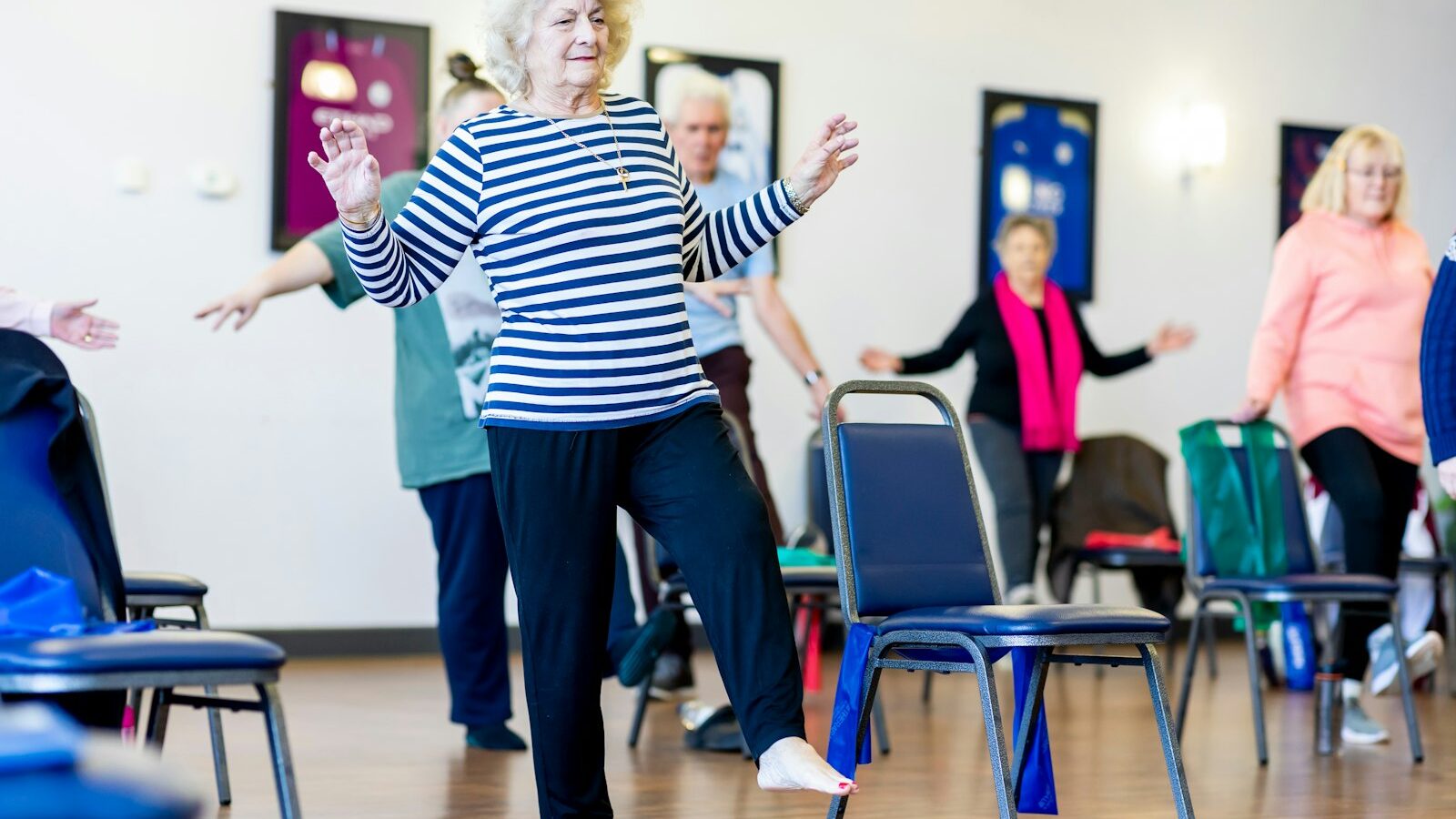
Getting stronger does not require a gym, a floor mat, or the ability to jump around. A sturdy chair is one of the most useful pieces of exercise equipment there is, especially for older adults, complete beginners, or anyone easing back into activity after a long break or an illness. Chair exercises for seniors let you build strength, improve circulation and stay mobile from a safe, supported position. This guide shares gentle seated and chair-supported movements you can do at home, in the void deck, or at a community centre.
First, an important note. This is general information, not medical or physiotherapy advice. Check with your doctor or a physiotherapist before you start, particularly if you have recently had a fall, surgery, or a hospital stay, or if you live with a heart condition, high blood pressure, diabetes, arthritis, giddiness or any ongoing condition. Start gently, move within a comfortable range, and stop straight away if you feel dizzy, breathless, or any pain.
Why a Chair Is Such a Good Starting Point
A chair gives you stability, and stability gives you confidence. When you do not have to worry about losing your balance, you can focus fully on the movement, breathe steadily, and work a little harder without fear of falling. That makes chair exercises ideal for anyone whose balance, strength or stamina is not yet where they would like it to be.
Regular gentle movement helps keep joints supple, supports circulation in the hot climate, maintains the muscle we naturally lose with age, and lifts the mood. It also helps you stay independent for daily tasks like standing up from a seat, climbing the bus steps, or carrying groceries home from the wet market. None of this involves heavy effort. Little and often is the goal.
Choose the right chair. Use a firm, stable, armless or low-armed chair that does not roll, tilt or slide. Avoid office chairs with wheels and soft, sinking sofas. Place it on a non-slip floor, and keep a wall or a sturdy table nearby if you would like extra support when standing.
A Gentle Seated Warm-Up
Never launch straight into the main movements. A few minutes of easy warm-up gets blood flowing and loosens stiff joints, which lowers the risk of strains. Sit tall, near the front of the chair, with both feet flat on the floor.
- Shoulder rolls. Roll your shoulders slowly backwards eight times, then forwards eight times.
- Ankle circles. Lift one foot slightly and circle the ankle in each direction, then switch feet.
- Marching. Gently lift one knee, lower it, then the other, as if marching slowly on the spot, for about thirty seconds.
- Neck turns. Turn your head slowly to look over one shoulder, then the other, keeping the movement small and comfortable.
Breathe naturally throughout and never hold your breath. If any movement pinches or hurts, make it smaller or skip it. For a fuller routine, see our guide to warming up and cooling down properly.
Seated Strength Moves for the Whole Body
Once you are warm, work gently through these. Aim for eight to twelve repetitions of each, one or two rounds, resting whenever you need to. Quality of movement matters far more than speed or numbers.
- Seated leg extensions. Straighten one knee to lift the foot until the leg is roughly level, hold for a second, then lower slowly. This strengthens the thigh muscles that help you stand and climb stairs.
- Seated marches. Lift alternate knees in a controlled march to work the hips and improve circulation.
- Sit-to-stands. With a wall or table beside you for safety, stand up from the chair and sit back down slowly, using your hands only if needed. This is one of the most valuable movements for daily independence.
- Arm curls and presses. Hold light objects such as small water bottles or tinned food, and curl them towards your shoulders, or press them gently overhead if your shoulders allow.
- Seated knee lifts with a squeeze. Lift a knee and gently draw it towards you with your hands to engage the core and hips.
- Heel and toe raises. With feet flat, lift your heels, then lift your toes, to strengthen the lower legs that support balance.
Add gentle load only once the movement feels easy and controlled. A resistance band looped around the thighs or held in the hands is a simple, low-cost way to progress, as covered in our resistance band workouts guide.
Seated Versus Standing Exercise: What Suits You
Many people benefit from a mix, using the chair for support and gradually adding standing work as confidence grows.
| Consideration | Seated chair exercise | Standing or chair-supported exercise |
|---|---|---|
| Balance demand | Low, very stable | Higher, trains balance directly |
| Best for | Frailty, recovery, low confidence | Building towards independence |
| Fall risk | Minimal | Present, needs support nearby |
| Strengthens | Legs, arms, core gently | Legs, hips and balance more fully |
| Progression | A safe starting point | A natural next step |
Neither is better in isolation. A sensible path is to build strength seated first, then progress to holding the chair back while standing. For dedicated balance work, our guide to balance and stability training explains how to reduce fall risk safely, and those with mobility limits may also find our piece on staying active with limited mobility helpful.
Staying Safe and Making It a Habit
Consistency beats intensity every time. A short session most days does more for your health than an occasional long, tiring one. Aim for ten to fifteen minutes to start, and build up slowly as it feels comfortable.
Keep water nearby and sip regularly, as the heat and humidity can catch you out even indoors. Wear supportive footwear rather than loose slippers. Never rush a movement, and always favour a smooth, controlled pace. Above all, listen to your body. Mild effort and warmth are fine, but stop and rest if you feel giddy, unusually breathless, or any chest discomfort, and seek medical help if such symptoms persist.
Many community centres and senior activity groups across Singapore run gentle group sessions, which add a welcome social side and a friendly nudge to keep going. Chair exercises for seniors and beginners are a safe, encouraging way to stay strong, mobile and independent for years to come.