
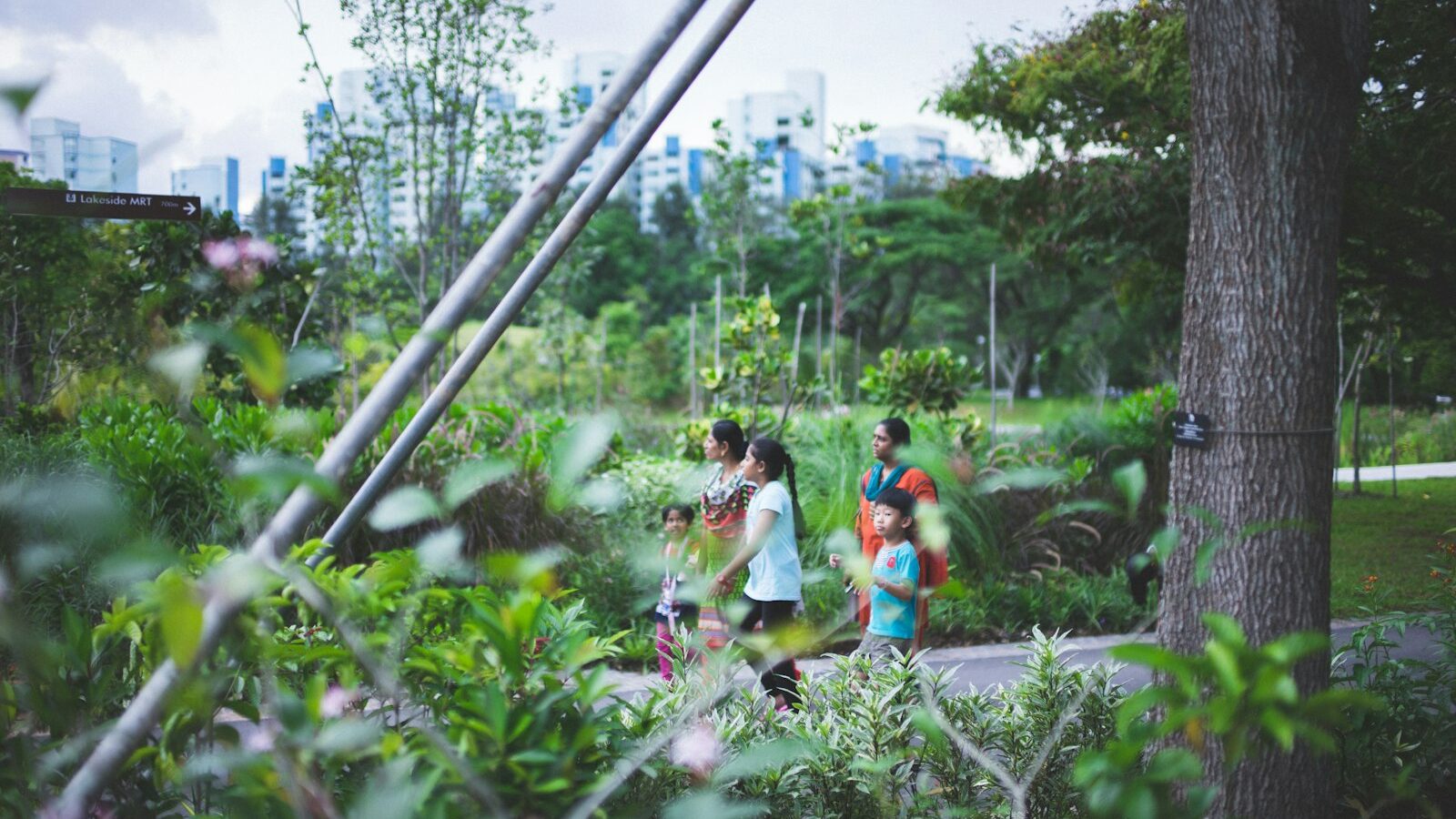
Bringing greenery into a home with young children is one of the nicest things you can do, and it is entirely possible to do it safely. The trick is knowing which plants are gentle to have around curious hands and mouths, and which are best kept well out of reach. This guide to child safe plants in Singapore names some commonly kid-friendly options, explains the sensible precautions every family should take, and keeps things practical for HDB flats and balconies where space is tight and toddlers are quick.
Before we go further, one honest note. This is general guidance, not a medical reference, and the list here is not exhaustive. Many common and popular houseplants are actually toxic if eaten, so the safest habit of all is to treat every plant as something to keep away from small children, whatever its reputation.
Why “Child-Safe” Still Means “Out of Reach”
It helps to understand what “child-safe” really means. A plant labelled non-toxic is one that is unlikely to cause serious poisoning if a small amount is swallowed. It does not mean a plant is meant to be eaten, and it does not rule out a tummy ache, choking on a leaf or a rash from the sap. Toddlers explore with their mouths, so the goal is fewer nasty surprises, not a free-for-all.
For that reason, the golden rule stands no matter how safe a plant is said to be: keep any plant physically out of reach of babies and toddlers. High shelves, wall planters, hanging pots and rooms the little ones cannot wander into alone all work well. Teach older children not to nibble leaves, berries or soil, and keep pots, fertiliser and any plant care products stored away safely.
If a child ever swallows part of a plant, do not wait to see what happens. Contact a doctor, head to the nearest clinic or hospital, or call the Poison Information Centre for advice, and if you can, bring a sample or photo of the plant so it can be identified. Because plant names are used loosely and lookalikes are common, always verify a specific plant’s safety yourself before trusting it around your family. The same care applies to households with animals, and our guide to pet-friendly and non-toxic plants covers that side in more detail.
Commonly Child-Safe Plants to Start With
The plants below are widely regarded as non-toxic and are easy to grow in our warm, humid climate. Even so, keep them out of reach and treat the list as a starting point, not a guarantee.
- Spider plant (Chlorophytum comosum): tough, forgiving and happy in bright, indirect light. Its arching leaves and baby plantlets are fun for children to watch grow.
- Boston fern: lush and leafy, and it loves our humidity. Great for a shady bathroom or a sheltered balcony corner.
- Areca palm and parlour palm: gentle, feathery palms that add height without a scary reputation, and both cope well indoors.
- Calathea and maranta (prayer plants): patterned leaves that fold up at night, which delights curious kids, though they like humidity and steady moisture.
- Peperomia: compact, slow-growing and well suited to small HDB shelves.
- Chinese money plant (Pilea peperomioides): a neat, coin-leaved plant that is easy to share as cuttings. Note this is different from the toxic “money plant” pothos below.
- Edible herbs such as basil, mint and pandan: these are safe, useful and let children help with a home garden. If you would like to grow together, see our guide on how to garden with kids in Singapore.
Start with just one or two. A single thriving spider plant teaches a child far more than a shelf of struggling ones, and it keeps your own workload light.
Common Plants Best Kept Out of Reach
Plenty of the most popular houseplants in Singapore are toxic if chewed or swallowed, usually because of irritating sap or crystals that burn the mouth and throat. They are not banned from a family home, but they belong high up, out of a toddler’s world entirely.
- Pothos or devil’s ivy, and philodendron: extremely common trailing plants whose sap irritates the mouth.
- Monstera: the fashionable split-leaf plant, also irritating if chewed.
- Dumb cane (dieffenbachia): can cause painful mouth swelling.
- Peace lily, aglaonema and caladium: popular indoors, all containing irritating crystals.
- Snake plant and ZZ plant: hardy favourites that are mildly toxic if eaten.
- Aloe vera: soothing on skin but upsetting to the stomach if swallowed.
- Outdoor cautions: oleander, frangipani sap and dieffenbachia in common corridors deserve extra care where children play.
None of this should put you off. It simply means placement matters more than the plant you choose.
A Quick Safety Comparison for Families
Use this table to see roughly where common choices sit, then still keep everything out of reach and verify each plant yourself.
| Plant | Safety for children | Light and care | Best placement |
|---|---|---|---|
| Spider plant | Commonly child-safe | Bright indirect, easy | Shelf or hanging pot |
| Parlour palm | Commonly child-safe | Low to medium light, easy | Floor corner, out of reach |
| Peperomia | Commonly child-safe | Bright indirect, low fuss | High shelf |
| Pothos or philodendron | Toxic if eaten | Very easy, low light | High shelf, well out of reach |
| Dumb cane, peace lily | Toxic if eaten | Medium light, moderate | Elevated, off-limits to toddlers |
Displaying Plants Safely, and Keeping Mosquitoes Away
How you place plants matters as much as which you pick. Hang trailing plants from the ceiling or a sturdy bracket, use tall plant stands, and mount wall planters above little arms. Choose stable, heavy pots that will not tip if grabbed, avoid glass or breakable containers at floor level, and keep loose gravel and decorative stones away from babies who might swallow them.
There is one more Singapore-specific safety point that every family should build into their routine. Never let water collect and stand in the saucers, trays or outer pots under your plants. Stagnant water is a classic breeding spot for Aedes mosquitoes, and dengue is a real, year-round risk here. Tip out any collected water within a day, keep saucers dry between waterings, avoid hardened soil that traps water on top, and follow NEA’s anti-mosquito advice. This protects your children and your neighbours, and it keeps roots healthier too. If you use any fertiliser or pest spray, follow the product label exactly, keep it locked away from children, and lean towards eco-friendly or organic options.
What You Need and Where to Buy
Getting started needs very little: one or two easy plants, a stable pot with drainage, some fresh potting mix and a bright, out-of-reach spot. Wall hooks, hanging baskets and a tall plant stand are worth adding so greenery lives above toddler height from day one.
You will find beginner-friendly, commonly child-safe plants at nurseries along Thomson Road and out at Sungei Tengah, at Far East Flora, at community nurseries, at IKEA and from many online sellers. Prices vary widely by size and variety, so check with the nursery or shop rather than expecting a fixed figure, and for the full rundown see our guide on where to buy plants in Singapore. Ask staff to confirm a plant’s name and whether it is considered child-safe, and always verify it yourself before bringing it home.
Gardening with little ones nearby is one of the gentle joys of family life. Choose kindly, place thoughtfully, keep everything out of reach, and you can enjoy a green home with real peace of mind.
Explore more
For homes with cats or dogs as well, read our companion guide on pet-friendly and non-toxic plants. If you want to get the children involved in growing rather than just watching, how to garden with kids in Singapore is full of simple projects, and for the calmer side of the hobby see the mental health benefits of gardening.