
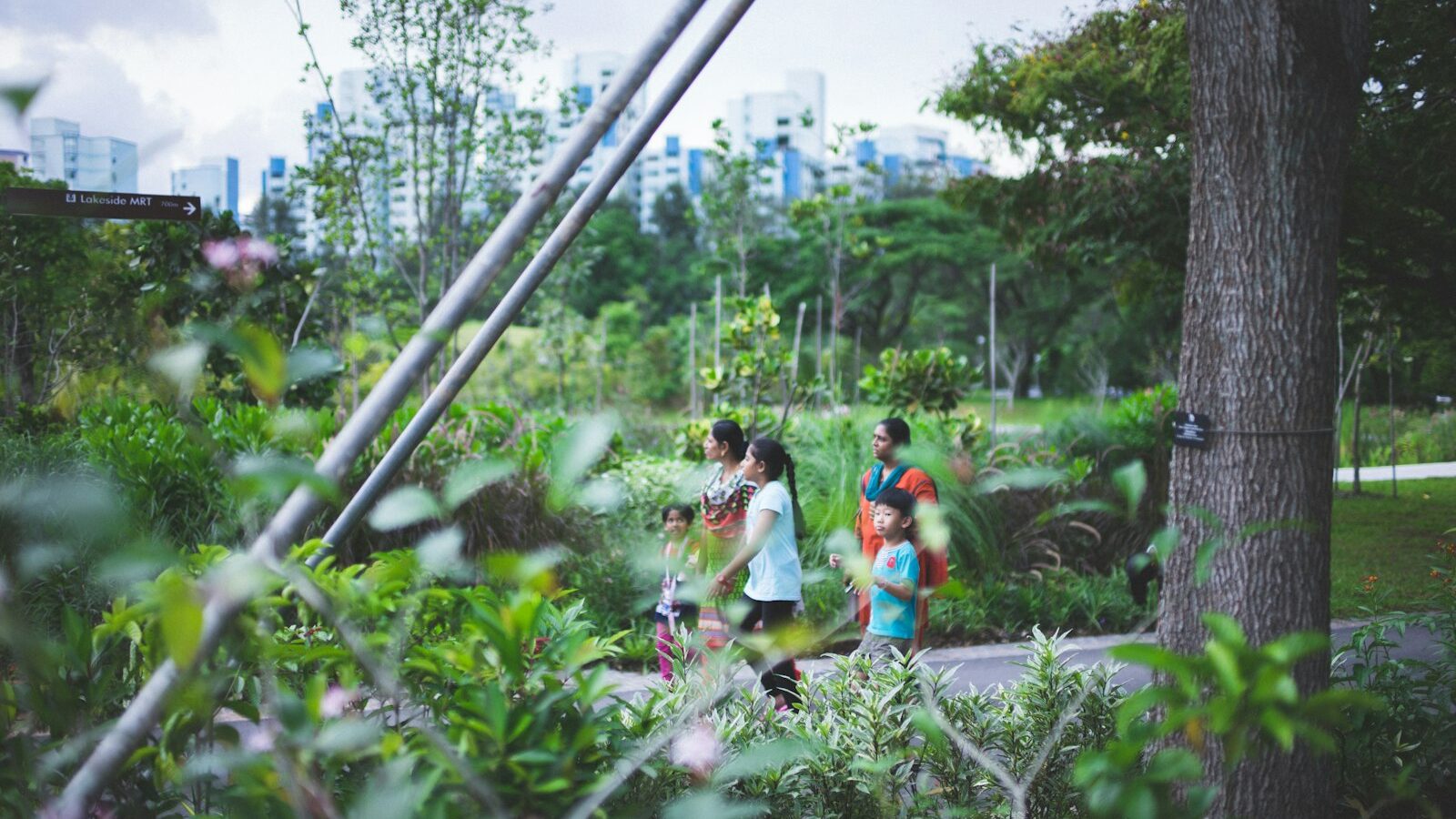
Few things beat the look on a child’s face when a seed they planted pushes its first green shoot through the soil. Gardening with kids in Singapore is one of the simplest, cheapest ways to get little ones off screens, into fresh air, and quietly learning about patience, food and nature. You do not need a big garden or any special skill. A sunny corner of a balcony, a few pots on a common corridor, or even a windowsill is plenty. This guide shows you how to start small, keep everyone safe, and grow a hobby your whole family can share for years.
Why Gardening Is So Good for Children
Children are natural scientists, and a pot of soil is a perfect little laboratory. When a child sows a seed and waters it each morning, they learn cause and effect, they practise patience across days and weeks, and they take real pride in something they made grow. It builds responsibility in a gentle way, because a plant that is not watered simply wilts, and that lesson lands far better than any lecture.
There is a wider benefit too. Time outdoors, hands in the soil and a small daily routine are calming and grounding for busy little minds. Growing a few edibles can even nudge fussy eaters toward vegetables, since children are far more curious about a cherry tomato they picked themselves. And in our fast, air-conditioned, high-rise city, a shared green project gives families a reason to slow down together.
Choosing Plants That Suit Little Hands
The secret to keeping children interested is fast, visible success. Slow, fussy plants lose their attention, so pick things that sprout quickly, grow sturdily in our heat, and reward them within days or a couple of weeks. Local favourites like kangkong, bayam (local spinach), long beans and sunflowers germinate fast and forgive rough handling. Herbs such as mint and pandan are hardy and smell wonderful, which children love.
Here is a rough guide to help you match a plant to your child’s age and patience.
| Plant | Why kids love it | Care level | Good for |
|---|---|---|---|
| Kangkong, bayam | Sprouts in days, quick harvest | Very easy | Toddlers and up |
| Cherry tomato | Sweet, pick-and-eat reward | Moderate | Ages 5 and up |
| Sunflower | Grows tall and dramatic | Easy | All ages |
| Mint, pandan | Fragrant, hard to kill | Very easy | Toddlers and up |
| Marigold, cosmos | Bright flowers, draws bees | Easy | Ages 4 and up |
When you buy, you have plenty of low-cost options. Community nurseries, the larger nurseries around Sungei Tengah and Thomson, Far East Flora, IKEA for simple pots, and online sellers all carry seeds and seedlings. Prices vary a lot by plant and size, so check the nursery or shop rather than any figure you read online. A packet of seeds and one pot is genuinely enough to begin.
Keeping Children Safe in the Garden
Gardening is safe and wholesome, but a few sensible habits protect small explorers who like to touch and taste everything. Keep these in mind and you can relax and enjoy the time together.
- Always supervise. Young children should never garden unwatched, especially near soil, water or tools they might put in their mouths.
- Keep toxic plants out of reach. Many common ornamentals, including some you may already own, are poisonous if eaten. Grow child-friendly, edible plants at kid height and keep anything doubtful up high or elsewhere.
- Store tools and chemicals away. Trowels, secateurs, wire and sharp stakes belong locked away after use. Fertilisers and any pest sprays must be kept high up, out of sight and reach, and never decanted into drink bottles.
- Follow product labels. If you use any fertiliser or pest treatment, read and follow the label, apply it yourself when children are not around, and prefer eco-friendly or organic options. This is general safety guidance, not medical advice.
- Wash hands every time. Make hand-washing the firm rule at the end of every session, before snacks and before touching faces, because soil carries germs.
- Teach look, do not eat. Set one clear rule early: we only eat a plant when a grown-up says it is ready and safe. Only harvest what you can confidently identify as the intended edible.
If a child ever swallows part of a plant you are unsure about, call a doctor or the Poison Information Centre for advice, and keep a note of the plant’s name. A little caution keeps the whole experience joyful.
Beating the Heat and the Mosquitoes
Singapore’s climate shapes how and when you garden with children. Our sun is fierce by mid-morning, so plan sessions for early morning or late afternoon, put a hat on your child, keep water bottles handy, and take breaks in the shade. Short and frequent beats long and sweaty, and a wilting toddler learns nothing happily.
Watering is a child’s favourite job, which makes mosquito safety essential to teach from the start. Standing water in pot saucers, trays and buckets is exactly where Aedes mosquitoes breed, and dengue is a real, year-round risk here. Turn it into a game the children help with: after every watering, tip out any water that collects in saucers within a day, never leave filled buckets or watering cans lying around, and check hidden corners after rain. Avoid hardened, compacted soil that traps water on top, and follow the National Environment Agency’s anti-mosquito advice. Teaching this early builds a habit that protects your whole block, not just your pots.
Making It Fun and Keeping Them Hooked
The goal is joy, not a perfect harvest, so let go of tidy results and follow their curiosity. Give each child their own pot with their name on it, so they feel real ownership. Let them get muddy, dig for worms, and ask endless questions. A cheap magnifying glass turns a leaf into an adventure, and a simple chart where they stick a sticker on each day they water builds a lovely little routine.
Celebrate every win out loud, even a single sprout or one ripe chilli. Cook or taste what you grow together, because eating your own kangkong or tomato is the best reward there is. Expect some plants to die, and treat it as a normal lesson rather than a failure. Above all, keep the pressure off. If your child loses interest for a while, that is fine too. The seed of a lifelong love of growing things has already been planted, and it will sprout again in its own time.
Explore more
When your children are ready for their own patch, our guide to starting a small edible garden pairs well with these ideas, and you can grow more together at a community garden or by learning how to join a gardening community. For safety at home, read up on child-safe plants for family homes and pet-friendly, non-toxic plants, or plant a patch to attract butterflies and birds that will delight the whole family.