
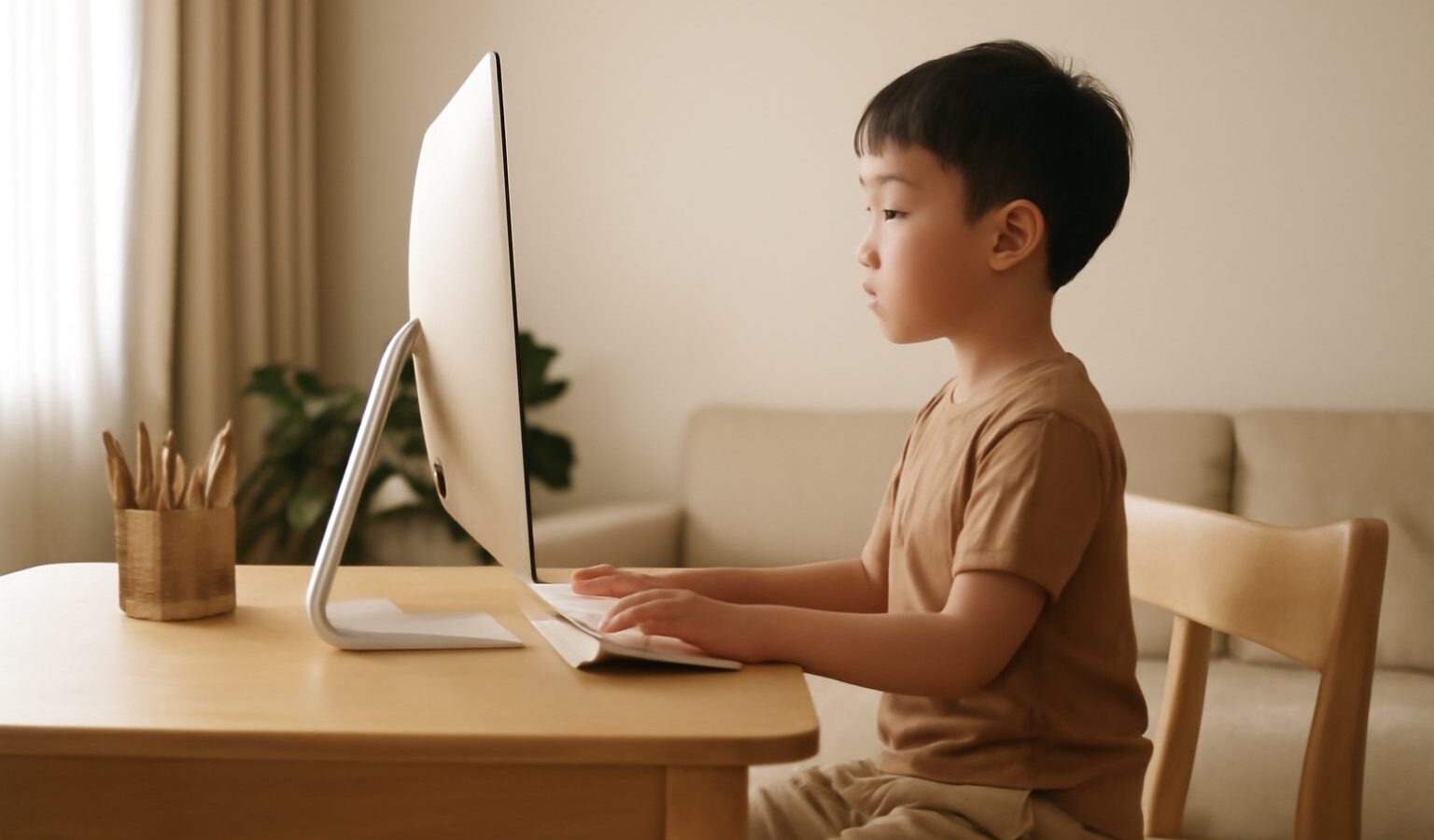
Take a quiet look at your child while they are doing homework or watching a video, and you may notice a familiar sight, shoulders rounded, neck bent forward, phone or tablet resting low in the lap. In a world where so much of school, play and connection happens on screens, this posture has become the default for many children. Paying a little attention to childrens posture singapore families can build healthy habits early, before those slouchy shapes become second nature. The good news is that small, simple changes at the study desk and on the sofa can make a real difference.
None of this is about nagging your child to sit up straight all day, which rarely works anyway. It is about setting up their space so that a comfortable, upright posture becomes the natural, easy choice. When the desk, chair and screen fit the child, good posture tends to follow on its own.
Setting Up a Comfortable Study Space
Many Singapore homes are compact, and the study corner often doubles as the dining table or a spot in a shared bedroom. You do not need a fancy ergonomic setup to help your child sit well. A few thoughtful adjustments go a long way.
Aim for these basics at the study desk:
- Screen at eye level. The top of the screen should sit roughly at or just below your child’s eye height, so they look ahead rather than down. A stack of books under a laptop or tablet can raise it nicely.
- Feet flat and supported. If your child’s feet dangle, pop a box or a footrest underneath so their knees can rest at a comfortable angle.
- Back supported by the chair. Their bottom should be right back in the seat, with the lower back supported. A cushion can help fill the gap.
- Elbows relaxed at roughly a right angle when writing or typing, with the desk at a comfortable height rather than too high or too low.
- Good, glare-free lighting. Position the desk so light does not bounce off the screen, which makes children lean in and squint.
Handheld devices deserve special care, because a phone or tablet held low is where much of the neck-bending happens. Encourage your child to bring the device up towards eye level rather than dropping their head down to it. Propping a tablet on a stand at the table is far kinder to a young neck than curling over it on the sofa.
Since screens and study go hand in hand, it also helps to keep an eye on how much time is spent on devices overall. Our guide to screen time for young children offers gentle, practical ways to keep the balance right for the whole family.
Movement, Breaks and Eye Care
Even the most perfect desk setup is not meant for hours of stillness. Children’s bodies are made to move, and the single best thing for posture is regular movement. No position is a good position if it is held for too long.
Build these breaks into the day:
- Encourage a short movement break at least every 30 to 45 minutes. A stretch, a walk to refill the water bottle, or a quick lap around the flat resets the body.
- Mix up positions. Standing to read, lying on the tummy to draw and sitting to type all use different muscles and give the neck and back a change.
- Make time for active play. Running around the void deck, cycling in the park or swimming does more for posture and strength than any single reminder to sit up.
Eyes need breaks too, and this is where the 20-20-20 rule is a lovely, simple habit to teach. Every 20 minutes, look at something about 20 feet away, that is roughly 6 metres, for at least 20 seconds. It gives the eyes a rest from close-up focusing and is easy for children to remember. Encouraging plenty of outdoor time is wonderful for young eyes as well. If you would like to understand more about protecting your child’s sight, our guide to children’s eye care and myopia is a helpful companion, especially given how common short-sightedness is among children here.
A gentle word on when to seek help. This article shares general habits, not medical advice. Occasional aches from a long study session are usually nothing to worry about and ease with movement. But if your child has ongoing neck, back or shoulder pain, frequent headaches, numbness, or if you are worried about how they hold themselves, please see a doctor. It is always worth having any persistent pain checked properly.
Helping your child develop good posture is really a series of small, kind nudges rather than one big rule. Raise the screen, support the back, get them moving, and rest their eyes. Do these consistently and they slowly become habits your child carries without thinking. In a screen-filled world, that steady, caring attention to how they sit and move is a quiet investment in their comfort and health for years to come.