
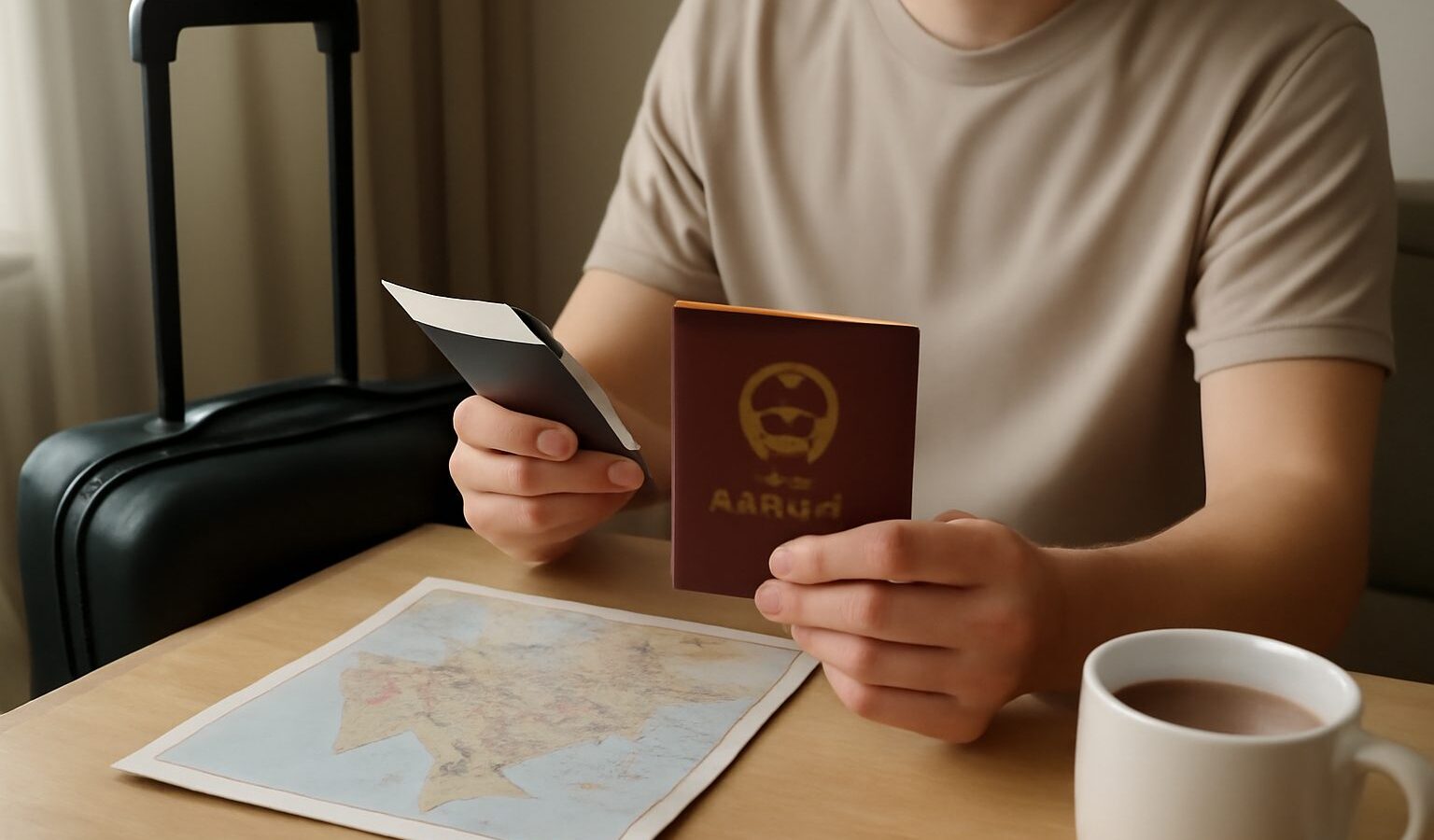
If you have just moved from the mainland to Singapore, the paperwork that lets you cross the border can feel like a maze. The Chinese passport in your bag is only part of the picture. Behind it sits a whole system of china exit entry documents, records, and permits that decide how smoothly you can leave, return, and travel while you build a life here. This guide explains how that system works in plain terms, so you know what each document does, who issues it, and what to keep an eye on as your circumstances change.
Because exit-entry, forex, and household rules in China change over time and vary by city and cohort, treat everything below as a map rather than a rulebook. Always confirm the current requirements with the Chinese Embassy or Consulate in Singapore or the relevant Chinese authorities before you act.
The Core Documents and Who Issues Them
Exit-entry administration in China is run by the exit-entry departments of the local public security bureau, usually called the PSB. For ordinary citizens travelling for private reasons, the most important documents are the passport and, in specific cases, separate travel permits for particular destinations or situations.
Your ordinary passport (普通护照) is the master document for international travel. To apply or renew, mainland applicants generally submit their resident identity card (身份证), their household registration booklet (hukou 户口), recent photographs, and details of the trip. Historically you applied in the city where your hukou is registered. Reforms in recent years have moved toward letting citizens apply at exit-entry offices in other cities too, but the extent of this varies by locality and by your registration status, so many people still find it simplest to handle it back home.
Alongside the passport, the system includes other permits you may hear about:
- Travel documents for the Hong Kong, Macao, and Taiwan regions, which are separate from your international passport.
- Exit-Entry Permits or travel documents issued in special situations, for example for a child with a complex nationality position.
- Endorsements and records tied to your hukou that affect where and how you apply.
Once you are in Singapore, entry and stay on this side are handled by the Immigration and Checkpoints Authority (ICA), which stamps or clears you against your pass. Your Chinese documents govern leaving and returning to China; your Singapore pass governs staying here.
How the Hukou Still Shapes Your Paperwork
The hukou, or household registration, is the quiet backbone of the whole system. It records where you are officially registered as a resident, and it links to passport issuance, identity records, and many mainland services. Even after you settle in Singapore, your hukou usually continues to exist in China unless you take specific steps to change it.
This matters for newcomers in a few practical ways. Renewals, replacements, and certain certificates can still route back to your hukou city. Family matters such as marriage records, a child’s registration, or a parent’s documents may also involve the hukou. And if your registration details are out of date, that can slow down anything that depends on them.
A sensible habit is to keep clear digital and physical copies of your hukou booklet, identity card, and passport, and to note when each was issued. If you plan to be in Singapore long term, ask the Chinese Embassy or Consulate how your particular situation affects future applications, since answers can differ from city to city.
Passports, Renewals, and Life in Singapore
A Chinese passport has a validity period, and you will want to renew well before it lapses, because Singapore passes and many services depend on a valid travel document. Renewing from abroad is usually handled through the Chinese Embassy or Consulate rather than a mainland PSB office, and the exact process, appointment system, and supporting documents are set by the mission, not by us. Confirm the current steps directly with them.
Keep in mind a few realities of living across two systems:
- Your Singapore pass and your passport are linked. When your passport changes, ICA records and your employer’s records may need updating too.
- Names, spellings, and dates must match across documents. Small mismatches between your passport, pass, and bank records can cause delays.
- Some Chinese services increasingly expect the resident identity card, not the passport, so keep your mainland ID current as well.
Because the fees, processing times, and appointment rules change, do not rely on figures a friend quotes from a past year. Check the mission’s current guidance each time.
China and Singapore Documents Side by Side
The table below shows how the two sides of your paperwork fit together. It is a general comparison to orient you, not a checklist of exact rules.
| Purpose | China side (leaving and returning) | Singapore side (staying) |
|---|---|---|
| Main identity for travel | Ordinary passport, issued by PSB exit-entry administration | Passport plus your Singapore pass, checked by ICA |
| Proof of residence and registration | Hukou household registration and resident identity card | Your work pass, PR, or long-term pass records |
| Who to ask when rules are unclear | Chinese Embassy or Consulate in Singapore, or the relevant Chinese authorities | ICA, and MOM for pass-related questions |
| Renewal while abroad | Handled via the Chinese Embassy or Consulate | Pass renewal via employer or ICA channels |
| Sensitive or special cases | Exit-Entry Permits or travel documents in defined situations | Case-specific advice from ICA |
Common Situations Newcomers Ask About
A few scenarios come up again and again for mainland newcomers, and each is best handled factually and calmly.
Children and family travel can be more involved, especially where a child’s nationality position is not straightforward. In defined situations, mainland authorities issue specific exit-entry travel documents rather than an ordinary passport, and the requirements are strict. This is exactly the kind of case to raise directly with the Chinese Embassy or Consulate before booking any travel.
Lost or damaged documents abroad need prompt action. If a passport is lost in Singapore, you would typically report it and approach the Chinese mission for a replacement or a return travel document, while also informing the relevant Singapore parties tied to your pass. Keep copies stored separately so a replacement is easier to arrange.
Changing your status over time, for example moving from a work pass toward permanent residence, does not erase your Chinese documents. Your passport and hukou continue to matter for travel and mainland affairs even as your Singapore status evolves. Treat both systems as running in parallel.
This article is general information, not personalised legal, immigration, tax, or financial advice. Rules on both sides of the border change, so always verify current requirements with the Chinese Embassy or Consulate in Singapore or the relevant Chinese authorities for the China side, and with ICA for the Singapore side, before you make decisions.
Explore More
For related steps as you settle in, see our guides on renewing your Chinese passport in Singapore and the wider China Embassy consular services in Singapore. If you are getting set up locally, our guide for newcomers from China walks through the first practical moves.