
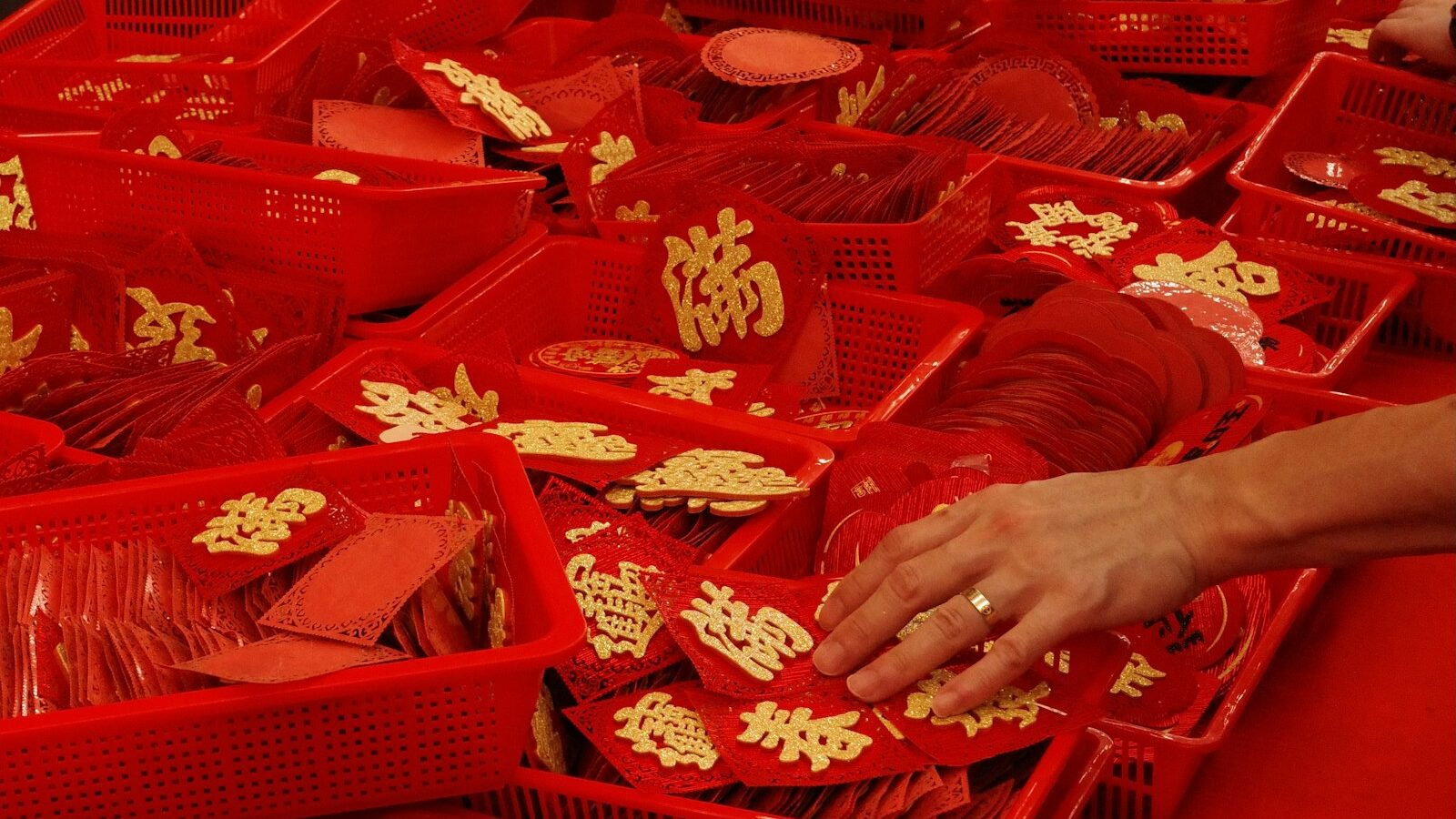
Guo da li (过大礼) is one of the most meaningful stages in a traditional Chinese wedding, a betrothal ceremony in which the groom’s family formally presents gifts to the bride’s family ahead of the wedding day. The phrase loosely means “delivering the grand gifts”, and it marks the moment two families publicly commit to the union rather than just the couple. In Singapore, many Chinese families still hold a version of guo da li, though how elaborate it is varies enormously by dialect group, budget and personal taste. This is a general, respectful guide for newcomers and couples, not a fixed set of rules.
What Betrothal Means in Chinese Custom
In older Chinese practice, marriage was as much a joining of two families as of two people, and a sequence of formal steps confirmed the match. Guo da li is the betrothal gift ceremony within that sequence, usually held a few weeks before the wedding on a date chosen for good fortune. The groom’s family visits the bride’s home bearing carefully chosen gifts, and the bride’s family accepts some and often returns a portion, a gesture of grace that signals the two families now share the joy rather than one simply “receiving” from the other.
Historically the gifts included a betrothal sum, sometimes described in English as a bride price, offered as a mark of respect and gratitude to the bride’s parents for raising her. This is best understood as a symbolic and ceremonial gesture rather than a transaction, and today many families treat the amount lightly, negotiate it warmly, or set it aside altogether. Alongside guo da li, the bride’s family traditionally prepares a dowry, or jia zhuang, of items she brings into the marriage, so the exchange flows both ways.
The Gifts and What They Symbolise
The gifts exchanged at guo da li are chosen for their auspicious meanings, and many come in pairs, since doubles suggest that good things arrive together. The exact list differs sharply between Hokkien, Teochew, Cantonese, Hakka and other communities, so families often consult an elder, a bridal shop or a checklist tied to their own dialect group. Commonly seen items include:
- Wedding cakes or pastries and traditional biscuits, later shared out with relatives as part of announcing the marriage.
- Two pairs of dragon and phoenix candles, symbolising the groom and bride and warding off bad luck.
- Wine or spirits, and sometimes canned pig trotters or other foods, standing for abundance and a well-provisioned home.
- Dried goods such as mushrooms, dried oysters, sea moss or longan, each linked to prosperity, harmony or fertility.
- Tea and dried fruit, connected to the tea ceremony and to a sweet, fruitful marriage.
- Jewellery, often gold, given to the bride as a blessing and a mark of the family’s regard.
- The betrothal sum in a red packet, along with ang pow for various customary purposes.
The bride’s family typically returns part of each gift, a custom called hui li (回礼), and adds items of their own, such as some of the gold jewellery, a groom’s outfit, or symbolic foods. This return is a warm and important part of the day, not an afterthought.
How the Day Usually Unfolds
There is no single script, but a guo da li in Singapore often follows a gentle rhythm. The groom, sometimes with his parents or a helpful relative, brings the gifts to the bride’s home on the agreed auspicious date. The families greet one another, present and receive the gifts, and complete the hui li exchange. Tea may be served, photographs are taken, and the mood is usually happy and relaxed rather than solemn.
Many couples pair guo da li with practical wedding planning, since this is often when families confirm details of the banquet, the tea ceremony and the wedding date. Some also observe an an chuang (安床), or bed-setting, custom around this period, when the marital bed is ceremonially prepared with auspicious items, though this is a separate practice that many families now simplify or skip.
If you are marrying into a Chinese family, the kindest approach is to ask your partner and their elders what their community expects, since the gift list and etiquette are genuinely specific to each dialect group and family.
How It Varies Across Communities
It is worth repeating that there is no universal “Chinese” betrothal. The contents of the gift trays, the size of any betrothal sum, and even whether guo da li happens at all shift from family to family. The table below contrasts a few elements to show how differently they can be treated. Read it as an illustration, not a prescription.
| Element | Some families | Other families |
|---|---|---|
| Betrothal sum | A meaningful, negotiated amount in a red packet | A token sum or waived entirely |
| Gift list | An elaborate, dialect-specific set of paired items | A simplified, modern selection |
| Dragon and phoenix candles | Kept and lit as part of later rituals | Omitted or replaced with simpler tokens |
| Hui li (return gifts) | A carefully matched return of many items | A light, symbolic return |
| Timing | Weeks before the wedding on a chosen date | Combined with other pre-wedding events |
Cantonese, Hokkien, Teochew and Hakka families each have their own preferred items and phrasings, and Peranakan and other communities add their own flavour. Intercultural couples in Singapore frequently adapt guo da li to honour more than one heritage, and there is no single correct way to do so.
Taking Part with Respect
For newcomers invited to witness or help with a guo da li, warmth and attentiveness matter more than knowing every symbol. Follow the family’s lead, handle the gifts with care, and treat any discussion of the betrothal sum as the affectionate, sometimes playful negotiation it usually is rather than a bargaining match. For couples, keeping the customs that feel meaningful and gently setting aside those that do not is entirely in step with how families here already navigate the day.
At its heart, guo da li is about two families showing respect, generosity and goodwill to one another as they become one extended family. That spirit travels well across cultures, whatever your own background.
Explore more
For the moment a new life is later welcomed, see The Chinese Baby First-Month Celebration in Singapore, and for how good dates are chosen for occasions like betrothal, read about Chinese Naming and Generation Names in Singapore. To follow the family story across the years, see Chinese Birthday and Longevity Customs in Singapore.