
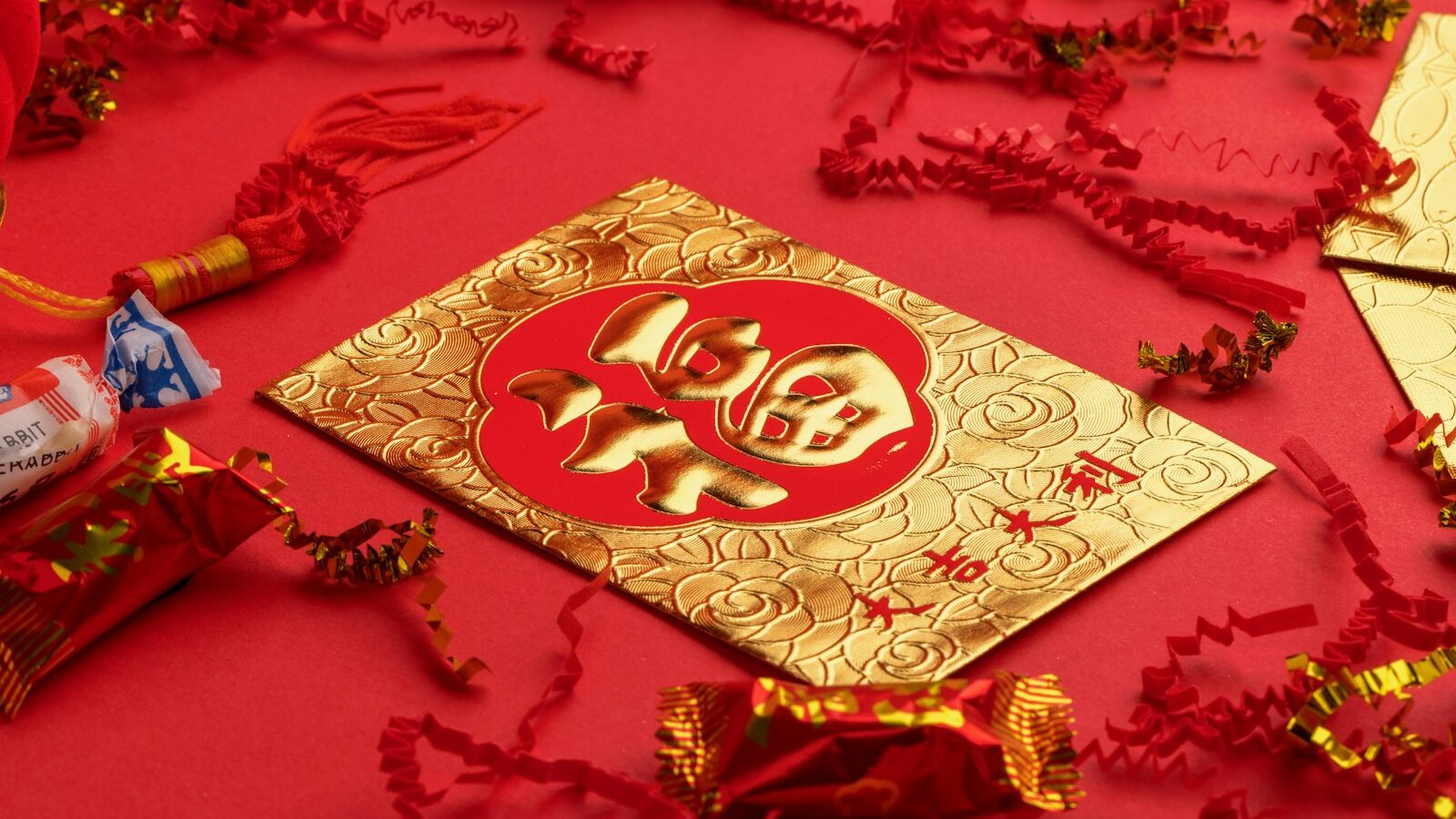
If you have just moved from the mainland, your first Spring Festival here will feel both comforting and slightly strange, and understanding cny singapore vs china is the fastest way to enjoy it rather than miss home. The bones of the festival are the same: the same lunar calendar, the same reunion dinner, the same red packets and the same wish for a prosperous year. What changes is the scale, the length of the break, some of the customs and the whole atmosphere around you. Singapore keeps the festival warmly but quietly compared with the mainland, and once you know what to expect you can lean into the local rhythm and celebrate well.
Public Holidays and How Long the Break Lasts
This is the single biggest difference, and it catches most newcomers off guard. In mainland China, Spring Festival is a seven-day national holiday, part of a longer travel season when hundreds of millions of people go home. In Singapore, Chinese New Year is a two-day public holiday, covering the first and second days of the lunar new year. If a day falls on a Sunday, a Monday is given in lieu, but that is the whole official break.
That means life returns to near normal by the third or fourth day. Most offices reopen, the MRT runs a regular schedule and there is no nationwide migration. Shops and malls stay open through the period, though some smaller family-run eateries and provision shops close for several days, so stock up on groceries before the first day. If you want a longer break to travel back to China, you will need to add your own annual leave.
Reunion Dinner and Festive Food
The reunion dinner on New Year’s Eve survives fully intact, and it matters just as much here. Families gather, often over steamboat or a spread of auspicious dishes, and the meal is the emotional centre of the festival exactly as it is at home. What differs is the menu leaning towards southern Chinese and local tastes, since most Chinese Singaporeans trace roots to Fujian, Guangdong, Teochew and Hainan.
The standout local custom is lo hei, the tossing of yusheng. This is a raw-fish salad of shredded vegetables, crackers and sauces that everyone stands up and tosses high with chopsticks while calling out auspicious phrases, the higher the toss the better the year. You will not have seen this in the north, and it is done not just at home but at work lunches and restaurant gatherings right through the fifteen days. Bak kwa, the sweet barbecued pork jerky, is the other signature buy, with long queues outside popular shops before the festival.
Ang Bao Customs You Should Know
Red packets are universal, but the local rules differ enough to trip you up. Here they are called ang bao, using the Hokkien term rather than hongbao. The core principle is the same: married people give, and single people and children receive. A newly married couple gives out ang bao for the first time, which is a noticeable shift from single life.
Amounts are more modest and more standardised than the sometimes large sums exchanged in China, and the emphasis is on the gesture rather than the value. Avoid the number four, which sounds like death, and favour even numbers and figures containing eight. A common range for casual acquaintances and children is a small note or two, with more for close family. Digital red packets exist but physical ang bao remain the norm for visiting, so keep a stack of new notes and packets ready. Banks and malls hand out ang bao packets in the weeks before the festival.
Visiting, Greetings and Etiquette
House visiting, or bai nian, is alive and well, usually concentrated into the first two or three days while people still have the holiday. You visit elders and relatives first, bring a pair of mandarin oranges as a gift and exchange them for a pair from your host, a small ritual of doubled luck. Bringing an even number of gifts and avoiding anything in sets of four is the safe habit.
Greetings are the familiar ones, gong xi fa cai and wan shi ru yi, though you will also hear the Cantonese kung hei fat choi. Homes are decorated in red, with mandarin oranges, pussy willow and blooms rather than the northern paper window cuttings, and you will hear less firework noise because private fireworks and firecrackers are banned. Official displays and the river light-up provide the spectacle instead.
Festive Shopping and Where the Atmosphere Lives
The pre-festival shopping season is intense and easy to enjoy. Chinatown transforms into a night bazaar selling decorations, snacks, bak kwa, pineapple tarts, love letters and new clothes, and its street light-up is the visual heart of the season. Malls run new year music and displays, and there is a countdown atmosphere on New Year’s Eve. The festival closes with Chingay, a large multicultural parade, and rounds off at the fifteenth day.
Singapore vs China at a Glance
| Aspect | Mainland China | Singapore |
|---|---|---|
| Public holiday | About seven days national | Two days official |
| Return to work | Well into the break | By day three or four |
| Reunion dinner | Central, northern dishes common | Central, southern and local dishes |
| Signature custom | Dumplings, gala on TV | Lo hei yusheng tossing, bak kwa |
| Red packet term | Hongbao | Ang bao, more modest amounts |
| Fireworks | Widespread in many areas | Banned privately, official displays only |
| Atmosphere | Nationwide, quiet cities | Lively Chinatown and malls, city stays busy |
What Feels Familiar and What Feels New
You will find the heart of the festival familiar at once: the reunion dinner, red and gold everywhere, spring cleaning before the new year, red packets, the taboos around the number four and the warmth of family gathering. The rhythm of the lunar calendar and the auspicious greetings all carry over.
What is new is mostly the scale and the specifics. The break is short, the city keeps humming, lo hei and bak kwa are local signatures, fireworks are absent and the whole affair is warmer in temperature and gentler in volume than a northern new year. Steamboat replaces dumpling-making for many families, and the multicultural setting means your non-Chinese neighbours will wish you well too.
How to Celebrate Well Your First Year
- Plan leave early. If you want to fly back to China, book flights and apply for annual leave months ahead, as fares peak.
- Prepare ang bao. Get new notes and red packets from your bank, and learn the local amount norms from a colleague.
- Join a lo hei. Say yes to a work or friends’ yusheng session, stand up and toss high, it is the most local moment of all.
- Stock the kitchen. Buy groceries before the first day since some small shops shut for a few days.
- Walk Chinatown. Visit the bazaar and light-up in the run-up for the fullest festive feeling.
Chinese New Year in Singapore keeps everything that matters and trims the rest to fit a smaller, busier island. Treat the differences as an invitation rather than a loss, and your first Spring Festival here can feel every bit as meaningful as home.
Explore more: Chinese New Year in Singapore · Singapore Festivals Guide · Moving to Singapore from China