
Tea runs quietly through Singapore life in many forms, from the sweet, milky teh at the coffee shop to the ceremony of Chinese tea and the frothy theatre of teh tarik. Each tradition tells a story about the island’s diverse heritage. This guide explores the world of tea in Singapore and how to enjoy its many expressions.
Teh at the kopitiam
Just as kopi rules the coffee side of the kopitiam, teh rules the tea side. Local teh is tea brewed strong and typically served sweet with condensed or evaporated milk, echoing the same ordering system as kopi. It is a comforting everyday drink, enjoyed with breakfast or throughout the day. Understanding the lingo lets you order exactly what you want.
| Order | What you get |
|---|---|
| Teh | Tea with condensed milk |
| Teh-O | Tea with sugar, no milk |
| Teh-C | Tea with evaporated milk and sugar |
| Teh kosong | Tea with no sugar and no milk |
| Adding peng | Served iced |
As with kopi, once you learn the system you can fine-tune your cup precisely, and ordering teh-o-peng on a hot afternoon is a small local pleasure.
The theatre of teh tarik
Teh tarik, meaning pulled tea, is a beloved drink especially associated with the Indian-Muslim and mamak food tradition. It is made by pouring the milky tea back and forth between two vessels from a height, a technique that cools the tea, blends it and creates a signature frothy top. Beyond the practical effect, the pulling is a bit of showmanship, and skilled practitioners make it look effortless and graceful. The result is a smooth, frothy, sweet tea that is deeply satisfying, and watching a good teh tarik being pulled is part of the enjoyment.
Chinese tea traditions
On another branch of the family sits Chinese tea, which carries its own rich culture. Chinese tea is enjoyed in many settings, from a simple pot at a dim sum meal to more formal appreciation of fine leaves. Common types include oolong, pu-erh, green and jasmine, each with distinct characteristics and often paired thoughtfully with food. At dim sum, tea is essential, cutting through the richness of the dishes and aiding digestion. Some enthusiasts explore the art of brewing more deeply, appreciating how water temperature, steeping time and quality leaves affect the cup. This tradition connects to a long cultural heritage and offers a more contemplative side to tea drinking.
The bubble tea phenomenon
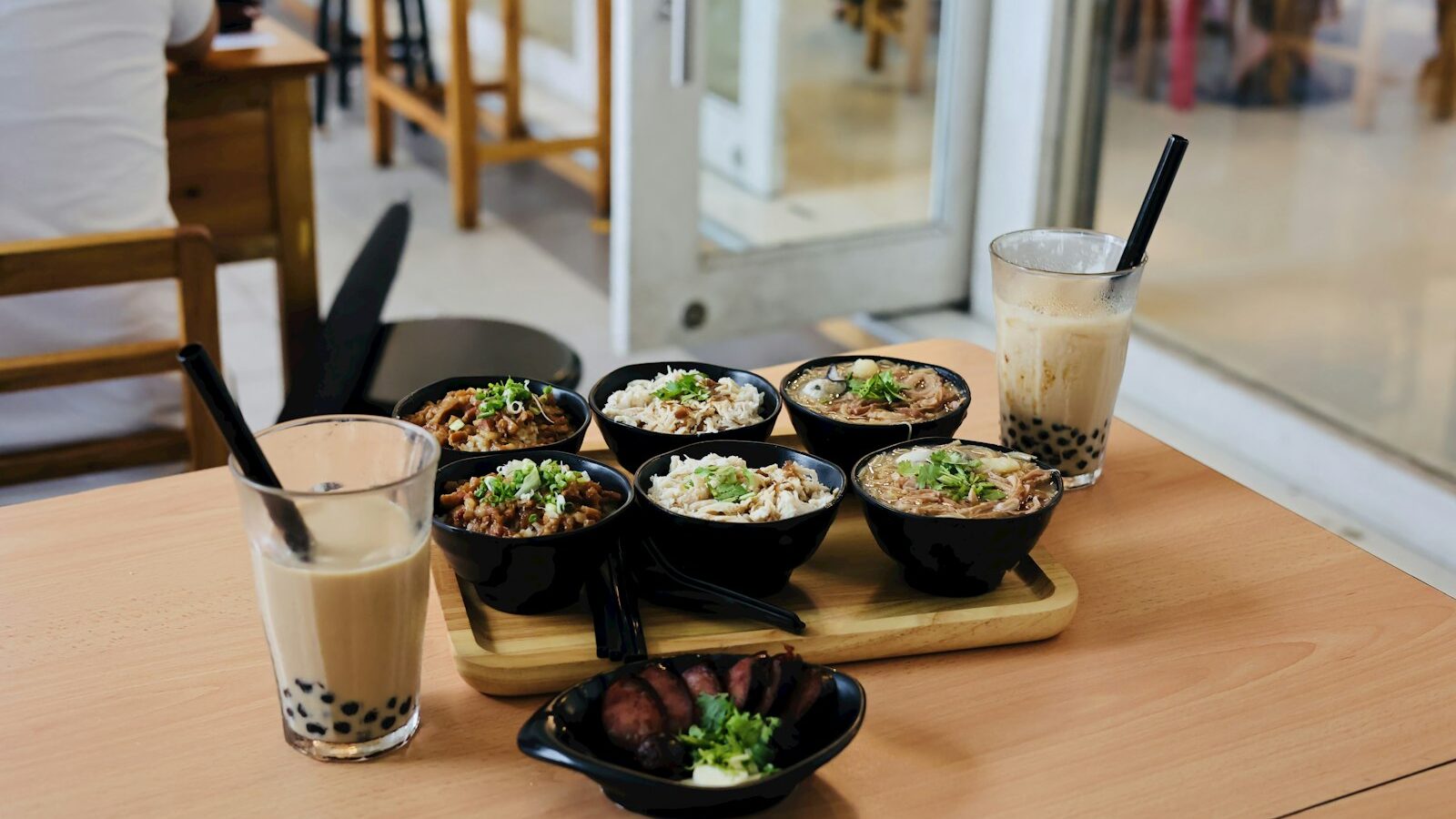
At the modern, playful end of the spectrum is bubble tea, the wildly popular drink of tea, milk and chewy tapioca pearls, endlessly customisable with flavours and toppings. It has become a genuine phenomenon, especially among younger people, with queues forming at popular outlets. While quite different from traditional teh or Chinese tea, bubble tea is very much part of Singapore’s contemporary tea landscape, showing how tea continues to evolve and capture new generations. It is fun, indulgent and social, a modern chapter in a long tea story.
Specialty and Western-style tea
Alongside these, Singapore also has a presence of specialty and Western-style tea, from elegant afternoon teas to boutique tea brands offering fine blends and single-estate leaves. Afternoon tea, in particular, is a popular indulgence, combining tea with tiered stands of sweet and savoury bites. This adds yet another dimension to the island’s tea culture, catering to those who enjoy tea as a refined, leisurely experience.
How to explore tea here
- Order teh at a kopitiam and learn the lingo for everyday enjoyment.
- Watch and taste teh tarik at a mamak or Indian-Muslim eatery.
- Have Chinese tea with dim sum, and explore different types if curious.
- Try bubble tea for the fun, customisable modern take.
- Indulge in an afternoon tea for a leisurely treat.
Each offers a different window into how tea is woven through local life.
Tea, wellness and everyday comfort
Beyond flavour, tea holds a gentle place in daily wellbeing and social life across Singapore’s communities. Chinese tea has long been associated with digestion and balance, which is part of why it accompanies rich meals like dim sum, while a warm cup of tea in any tradition offers simple comfort and a moment to pause. Tea is also profoundly social: sharing a pot at a meal, catching up over teh at a coffee shop, or gathering for afternoon tea are all small rituals of connection. This blend of comfort, wellbeing and sociability, layered across Chinese, Malay, Indian and Western influences, is what gives tea culture here its quiet depth, making it far more than just a drink to accompany food.
The takeaway
Tea in Singapore is not one thing but many: the sweet, milky teh of the coffee shop, the frothy theatre of teh tarik, the contemplative traditions of Chinese tea, the playful phenomenon of bubble tea, and the refinement of specialty and afternoon tea. Together they reflect the island’s cultural diversity and its knack for embracing both heritage and novelty. Learn the local ordering lingo, seek out a well-pulled teh tarik, sip tea with your dim sum, and enjoy however tea speaks to you, because in Singapore there is a cup for every mood and every tradition.
Tea etiquette and small customs worth knowing
Each tea tradition carries its own quiet manners, and picking up a few of them makes the experience richer, especially when you are a guest at someone’s table. At a dim sum meal, when someone refills your cup, it is customary to tap two fingers gently on the table as a silent thank you, a gesture said to represent a bowed head of gratitude. If your teapot runs empty and you would like it topped up, the usual signal is to leave the lid tilted open or resting ajar on the rim, which lets the staff know without you having to call out. It is also considered gracious to fill others’ cups before your own, watching the pot as it goes round so no one is left waiting.
- At the kopitiam, ordering is casual and quick, so know your teh lingo before you reach the counter and speak clearly, as uncles behind the drinks stall move fast during peak hours.
- With Chinese tea, the first quick rinse of the leaves is often discarded rather than drunk, and refilling a shared pot for the table is a small courtesy that keeps the meal flowing.
- With teh tarik, let the froth settle for a moment before sipping, and resist stirring it flat, as the foam is part of the point.
None of these are rigid rules, and no one will mind an honest slip, but observing them shows warmth and attentiveness, which is really what sharing tea is about here.
Sweetness, caffeine and drinking tea mindfully
Local teh is genuinely delicious partly because it is often quite sweet, with condensed or evaporated milk and sugar built into the default cup. If you are watching your sugar intake, the ordering system works in your favour: asking for teh-o kosong (tea with no milk and no sugar) or teh-c siew dai (less sweet) lets you dial the sweetness down without giving up the drink. Freshly prepared beverages sold at many outlets now carry Nutri-Grade labels graded from A to D, which can help you compare at a glance, though grading and rules can change, so check with the Health Promotion Board for the current scheme.
It is also worth remembering that tea contains caffeine, so several strong cups of teh or a late Chinese tea session can affect sleep for those who are sensitive. Bubble tea, meanwhile, can pack more sugar and calories than it appears once syrups, pearls and toppings are added, so treating it as an occasional indulgence rather than a daily habit keeps it firmly in the fun column. If you have specific dietary or health concerns, a quick word with a doctor or the HealthHub resources will give guidance tailored to you. Enjoyed with a little awareness, tea in every one of its local forms remains one of the easiest small pleasures the island offers.
Explore more: Kopitiam culture and the toast set · Bubble tea guide · Best high tea in Singapore