
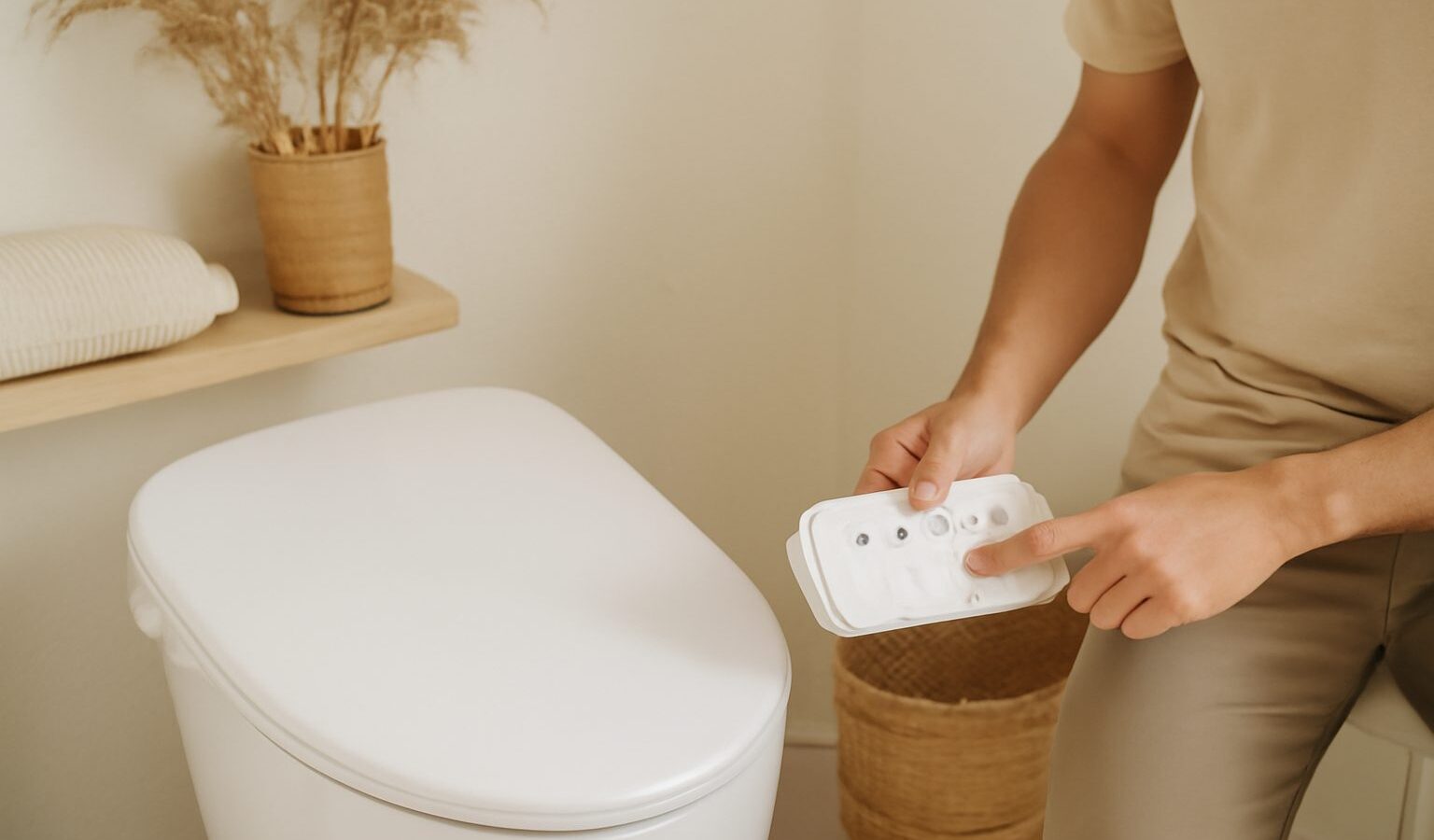
Choosing a bidet comes down to how much comfort and technology you want, and how much you are prepared to install. In Singapore the options range from a simple handheld spray, which almost every home already recognises, to a fully electronic washlet seat with warm water and heated functions. This guide compares them plainly, including installation and water supply, so you can pick what suits your bathroom.
The Two Main Types
The handheld bidet spray is the familiar hose and nozzle mounted beside the toilet. You aim and squeeze a trigger to release a jet of water. It is simple, reliable and found in countless homes across the island because it just works.
The electronic bidet seat, often called a washlet, replaces your toilet seat with a powered unit. At the touch of a button it sprays warm water from a built in nozzle, and depending on the model it may add features like adjustable temperature and pressure, a warm air dryer, a heated seat and a soft closing lid. It brings the most comfort but needs power and a more involved setup.
There is also a middle option: a non electric bidet seat or attachment that fits under the seat and sprays using water pressure alone, without electricity. It offers a cleaner, more integrated feel than a handheld spray without needing a power point.
Handheld Spray vs Electronic Washlet
Deciding between them is the heart of choosing a bidet that you will be happy with.
A handheld spray is inexpensive, easy to fit, needs no electricity, and lets you direct the water yourself. The water temperature is whatever comes from your supply, and you do the aiming, which some people prefer and others find fiddly.
An electronic washlet offers hands free comfort, warm water, and consistent positioning, which many find far more pleasant. In return it costs more, needs a nearby power socket, and involves a more careful installation. It is the choice for comfort seekers who want a spa like finish.
Comparing Your Options
| Feature | Handheld spray | Electronic washlet |
|---|---|---|
| Cost | Low | Higher |
| Water temperature | Cold, from supply | Adjustable warm water |
| Power needed | None | Yes, needs a socket |
| Installation | Simple, taps into supply | More involved, power and water |
| Extra comfort | Basic | Dryer, heated seat, more |
| Best for | Simplicity and budget | Comfort and convenience |
Installation and Water Supply
Both types tap into your bathroom water supply, and this is where planning matters.
A handheld spray and a non electric seat connect to the existing water line, usually at the point where the cistern is fed. Fitting a T valve into that supply is straightforward for many, but if you are not confident working with water fittings, or if you want to avoid leaks, a licensed plumber can fit it neatly and test it properly.
An electronic washlet needs both a water connection and mains power. The water side taps into the supply the same way, but the electrical side is the key safety point. It requires a suitable, protected power socket within reach, and adding or modifying a socket in a wet bathroom is electrical work that should be done by a licensed electrician. The socket should have proper protection against water and shock. Never run a washlet from an extension lead trailed across a wet floor.
Water pressure and fittings
Sprays and non electric seats rely on your home water pressure to work well, so very low pressure can make them feel weak. Electronic units manage their own spray, but still need a steady supply. If your bathroom layout, pipe positions or water pressure are unusual, a licensed plumber can advise whether any adjustment is needed before you buy.
What to Consider Before Buying
Think first about comfort versus simplicity. If you simply want a clean, effective wash at the lowest cost and least fuss, a handheld spray is hard to beat and installs in minutes. If you want warm water and a touch of luxury every day, an electronic washlet is worth the extra outlay and setup.
Then check your bathroom realities:
- Is there a power socket near the toilet, and is it a safe, protected one? No socket means either a handheld spray, a non electric seat, or paying an electrician to add one.
- Does your toilet shape and size fit a washlet seat? Measure before buying, as bowls vary.
- How is your water pressure? Low pressure suits an electronic unit better than a pressure reliant attachment.
- Who will use it? Households wanting warmth, adjustability and ease often find the washlet pays for itself in comfort.
Making Your Choice
Choosing a bidet is really about matching the fitting to your priorities and your bathroom. The handheld spray wins on price and simplicity and asks little of your bathroom. The non electric seat offers a neater feel without needing power. The electronic washlet delivers the most comfort and convenience, provided you have safe power nearby and are happy with a fuller installation.
Cleaning and Upkeep
Every type needs a little care to stay hygienic. A handheld spray should be wiped down and its nozzle kept clear of limescale, and you should check the hose and connection now and then for drips. An electronic washlet usually has a self cleaning nozzle, but the seat, lid and the area around the nozzle still need regular wiping, and any filter should be cleaned as the manufacturer advises. Keeping the fittings clean not only protects hygiene but also helps you spot a small leak before it spreads across the floor.
Whichever you choose, treat the water and electrical connections with care. A handheld spray is a job many can manage, but a washlet that needs a new bathroom socket should always involve a licensed electrician, and any tricky water fitting is best left to a licensed plumber. Get that right, and a bidet or washlet is one of the simplest upgrades that makes your daily bathroom routine noticeably better.
Explore more: Water Heater and Plumbing Guide · Energy Efficient Appliances · Is a Food Waste Disposer Worth It?