
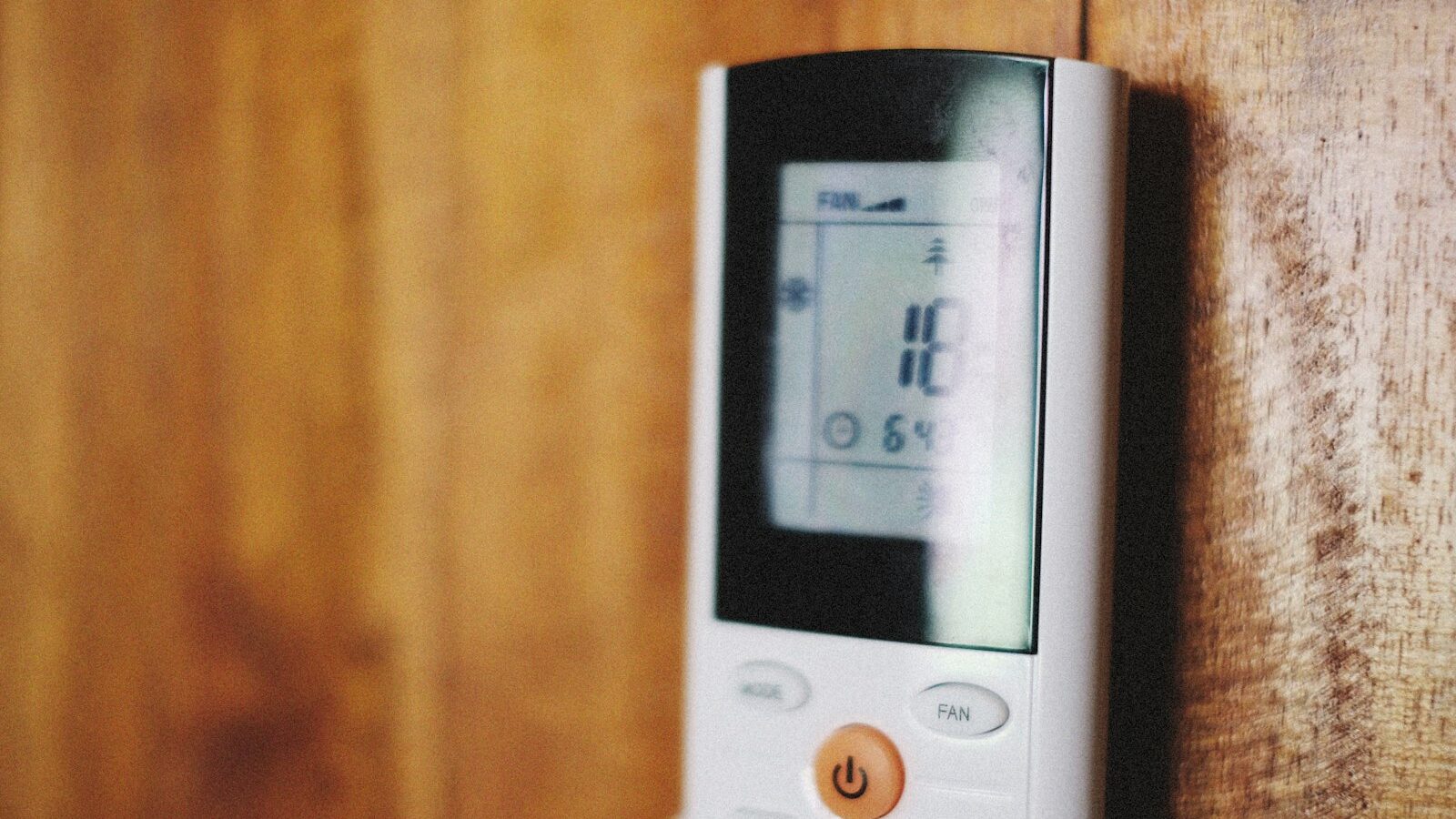
A smart aircon controller singapore residents add to an existing unit can turn an ordinary air-conditioner into one you control from your phone, schedule around your day and switch off before you even reach home. It is one of the cheaper, lower-effort smart-home upgrades available, but only if you buy the right type for your setup. This brand-neutral guide covers what these devices actually do, how to check compatibility, and how to think about comfort, energy and privacy in our climate.
We will avoid specific models and prices, because those shift constantly. The decisions that matter most are about how your aircon is controlled today and what you want to gain.
What a Smart Aircon Controller Actually Does
Most home air-conditioners in Singapore are controlled by an infrared remote, the handset that sends a signal each time you press a button. A smart controller usually works by copying those infrared signals and sending them itself, so it can turn the unit on or off, change the temperature, adjust fan speed and switch modes, all triggered from an app, a schedule or a voice assistant.
This matters because it means most controllers do not connect directly into your aircon’s wiring. They sit nearby, learn your remote’s commands, and act as a smarter stand-in. That is good news for renters and for anyone who does not want an installer touching the unit, since setup is often as simple as mounting a small device within line of sight of the aircon and connecting it to wifi.
Some higher-end systems integrate more deeply, either through a wired connection to certain units or through a brand’s own smart module. These can offer more reliable feedback about the unit’s real state, but they also depend on compatibility with your specific model, so they are less universal.
The typical benefits people want are:
- Turning the aircon on before arriving home so a hot flat is already cool.
- Scheduling it to switch off automatically after you fall asleep.
- Grouping it with other devices, so a single command sets the room up.
- Getting an alert or auto-off if it was left running when everyone is out.
If those match your goals, a controller is likely worth it. If you mainly want the unit itself to be more efficient, that comes down to the aircon, not the controller.
Checking Compatibility Before You Buy
Compatibility is where most disappointment happens, so check it first.
Start with how your aircon is controlled. If it uses an infrared remote, an infrared-based smart controller will very likely work, because these learn signals rather than needing an exact model match. Still, confirm the controller supports learning from your remote or has a broad library of remote codes, and check that it can be placed with a clear line of sight to the aircon’s receiver.
If your unit has no handheld remote and is controlled only by a wall panel, an infrared controller will not help, and you will need to look at wired or brand-specific options. Central or ducted systems are a different category again and usually need professional advice.
Also consider practicalities. Infrared controllers generally need mains power nearby, so plan where it will sit. Wifi controllers connect to your home network, and many work best on the common 2.4GHz band, so make sure your router provides that. Finally, if you want voice control, check which assistants the controller supports.
The table below summarises the main types in general terms.
| Controller type | Works with | Setup effort | Good to know |
|---|---|---|---|
| Infrared learning | Units with a handheld remote | Low, no wiring | Needs line of sight and nearby power |
| Wifi smart plug plus IR | Remote-controlled units | Low to medium | Combines power monitoring with control |
| Wired or brand module | Specific compatible units | Higher, may need installer | Deeper integration, less universal |
When in doubt, note down how you currently switch your aircon on and off, and match a controller to that reality rather than to the feature list.
Comfort, Haze and Energy in Our Climate
Singapore’s warm, humid weather means the aircon runs often, so a controller’s real value is in using it more thoughtfully.
Scheduling is the biggest win. Setting the unit to cool the bedroom shortly before bedtime, then ease off or switch to a gentler mode overnight, can improve both comfort and running costs without you lifting a finger. Some controllers can trigger based on room temperature, so the aircon only kicks in when it is genuinely warm rather than running flat out on a timer.
During haze episodes, many households keep windows shut and rely more on air-conditioning, and a controller makes it easier to keep rooms comfortable while you are out. It cannot filter air on its own, so pair it with your usual approach to indoor air, but the convenience of managing cooling remotely is real.
On energy, be realistic. A controller does not make the aircon itself more efficient, but it helps you avoid waste. Auto-off when nobody is home, gentler overnight settings and simply not leaving it running all day add up. If your controller reports power usage, use that information to spot the habits worth changing rather than chasing precise figures.
Privacy and Network Considerations
Because a smart controller connects to your wifi and an app, treat it with the same care as any connected device.
Change any default password on the app account and choose a strong, unique one. Keep the controller’s firmware updated when prompted, since updates often address security issues. Connect it to a secure home network, and where your router allows, consider placing smart-home gadgets on a separate guest or IoT network so they are isolated from your computers and phones.
Think about the account itself too. These apps often record schedules and usage patterns, which is personal data about when you are home. Review the app’s privacy settings, understand what is stored, and remove access for the device if you move out or sell the unit. If the controller links to a voice assistant, check what that connection can see and switch off anything you do not need.
Making the Decision
The right smart aircon controller is the one that fits how your unit is already controlled, sits happily on your network and delivers the specific convenience you want, whether that is a cool flat on arrival or an aircon that never runs all day by accident. Confirm compatibility first, favour simple infrared learning if your unit uses a remote, and lock down the app and network side once it is running. Do that and you get a genuinely useful upgrade for very little effort.
Explore more
Setting Up Smart Home Devices
Choosing a Smart Home Ecosystem
Smart Speakers and Voice Assistants
Securing Your Home Network