
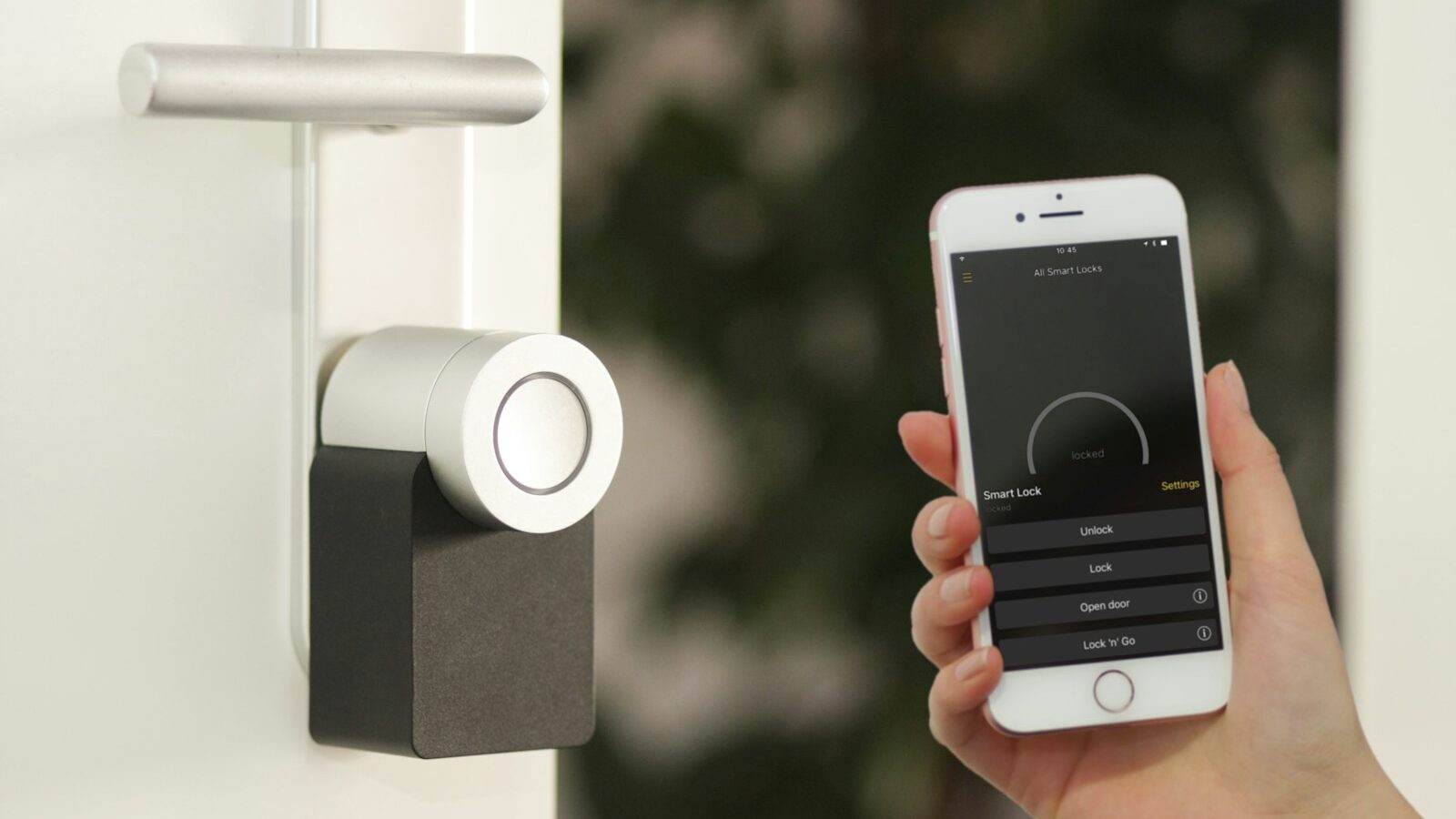
Smart home technology can add convenience, comfort and control to your living space. This guide covers what a smart home is, common devices, how to get started, and key considerations. This is a general overview for beginners.
What is a smart home?
A smart home is a home equipped with connected devices and technology that can be controlled, automated or monitored, often remotely via apps or voice, to add convenience, comfort, efficiency and control to everyday living. Smart home technology has become increasingly popular and accessible, ranging from simple individual smart devices to more integrated, automated setups. It allows you to control and automate aspects of your home, such as lighting, appliances and other functions, in convenient ways. You can start small with a few devices or build a more comprehensive smart home over time. Understanding what a smart home is, a home with connected, controllable and automatable devices adding convenience and control, helps you approach the idea flexibly, so you can consider what smart home technology might add to your living space and start at whatever level suits you, from a few simple devices to a more integrated setup, according to your interests, needs and budget.
Common devices
| Device type | Broadly |
|---|---|
| Smart lighting | Controllable, automatable lights |
| Smart plugs/appliances | Control of plugged-in or smart devices |
| Voice assistants/hubs | Central control and voice commands |
| Other smart devices | Various connected home tech |
Smart homes can include a range of common devices, and you can choose those that suit your needs. Smart lighting lets you control and automate lights, for convenience, ambience or efficiency. Smart plugs and smart appliances allow control of plugged-in devices or offer smart functions, adding convenience and automation. Voice assistants and smart hubs can act as central controllers, enabling voice commands and coordinating devices. A wide variety of other smart devices exist for different functions around the home, from security-related devices to climate, entertainment and more. You can mix and match based on what would genuinely benefit you. Understanding the common devices, smart lighting, plugs and appliances, voice assistants and hubs, and other smart tech, helps you see the building blocks of a smart home, so you can choose devices that add real value for your needs and preferences, building your smart home from the components that genuinely enhance your convenience, comfort or efficiency.
How to get started
Getting started with a smart home is best approached gradually and thoughtfully. Begin by considering what you would actually find useful, which functions or conveniences would genuinely benefit your daily life, rather than buying gadgets for their own sake. Start small with a few devices addressing your priorities, and learn how they work before expanding. Consider compatibility, choosing devices and a possible hub or ecosystem that work well together, to avoid a fragmented setup. Ensure you have the necessary basics, such as reliable home internet. Follow setup instructions and build up over time as you find what adds value. Understanding how to get started, considering what is genuinely useful, starting small, ensuring compatibility, and building up gradually, helps you set up a smart home effectively, so you invest in technology that adds real convenience and value suited to your needs, avoiding the frustration and waste of buying incompatible or unnecessary devices, and growing your smart home sensibly over time.
Key considerations
Setting up a smart home involves several key considerations. Genuine usefulness matters, focus on devices that add real value to your life rather than novelty. Compatibility and ecosystem, ensuring your devices work well together, avoids a fragmented, frustrating setup. Cost and budget are worth considering, as smart home tech ranges widely in price and can add up. Ease of use and setup affect your experience. Importantly, security and privacy deserve attention, as connected devices involve data and network security, so using reputable devices, securing your network and accounts, and being mindful of privacy are important. Reliability and dependence on internet or apps are also factors. Understanding these key considerations, usefulness, compatibility, cost, ease of use, and especially security and privacy, helps you set up a smart home wisely, so you build a setup that genuinely benefits you, works smoothly, and is secure and private, rather than one that is fragmented, wasteful, or exposes you to security and privacy risks.
Smart home security and privacy
Because a smart home involves connected devices, data and your home network, security and privacy deserve particular attention. Connected devices can potentially be points of vulnerability, so it is important to use reputable devices, keep them and their software updated, secure your home network and accounts with strong passwords and good practices, and be mindful of the data smart devices collect and how it is used. Consider the privacy implications of devices, especially those with cameras, microphones or sensitive functions, and configure privacy and security settings appropriately. Being security- and privacy-conscious lets you enjoy smart home benefits safely. Understanding the importance of smart home security and privacy, using reputable devices, securing your network and accounts, keeping devices updated, and being mindful of data and privacy, helps you enjoy your smart home safely, so you gain its convenience and benefits without exposing your home, data or privacy to unnecessary risks, an essential consideration as your home becomes more connected.
The takeaway
A smart home uses connected, controllable and automatable devices to add convenience, comfort, efficiency and control to everyday living, and it has become increasingly accessible, letting you start small or build a more integrated setup. Common devices include smart lighting, plugs and appliances, voice assistants and hubs, and various other smart tech. The best approach is to start gradually and thoughtfully, focusing on devices that add genuine value, ensuring compatibility, and building up over time. Key considerations include usefulness, compatibility, cost, ease of use, and especially security and privacy, since connected devices involve data and network security. Approached wisely, a smart home can meaningfully enhance your living space. This is a general overview for beginners.
Explore more: Setting up a home office · Protecting your data online · Choosing a laptop: a guide