
If you want to dip a toe into home automation without rewiring your flat, smart plugs singapore shoppers can buy today are the easiest place to start. A smart plug sits between the wall socket and whatever you plug into it, letting you switch that appliance on and off from your phone, on a schedule, or with a voice command. Smart switches go a step further by replacing the wall switch itself, which looks tidier and controls things like ceiling lights and fans, but they involve wiring and often a licensed electrician. This guide walks through the difference, what is genuinely worth automating, how to read energy use, and how to buy gear that is safe and works with the ecosystem you already use.
Smart Plugs Versus Smart Switches
The core decision is whether you plug in or wire in, and it shapes everything from cost to how much of your home you can automate.
A smart plug is renter-friendly and needs no wiring at all. You insert it into an existing 3-pin socket, plug your lamp, fan, or heater into it, and connect it to your home Wi-Fi through an app. Nothing is permanent, so it is ideal if you rent, if you are not confident with electrical work, or if you just want to try automation before committing. The limitation is that a plug only controls devices that plug into a socket. Anything hardwired, like most ceiling lights and ceiling fans, sits beyond its reach.
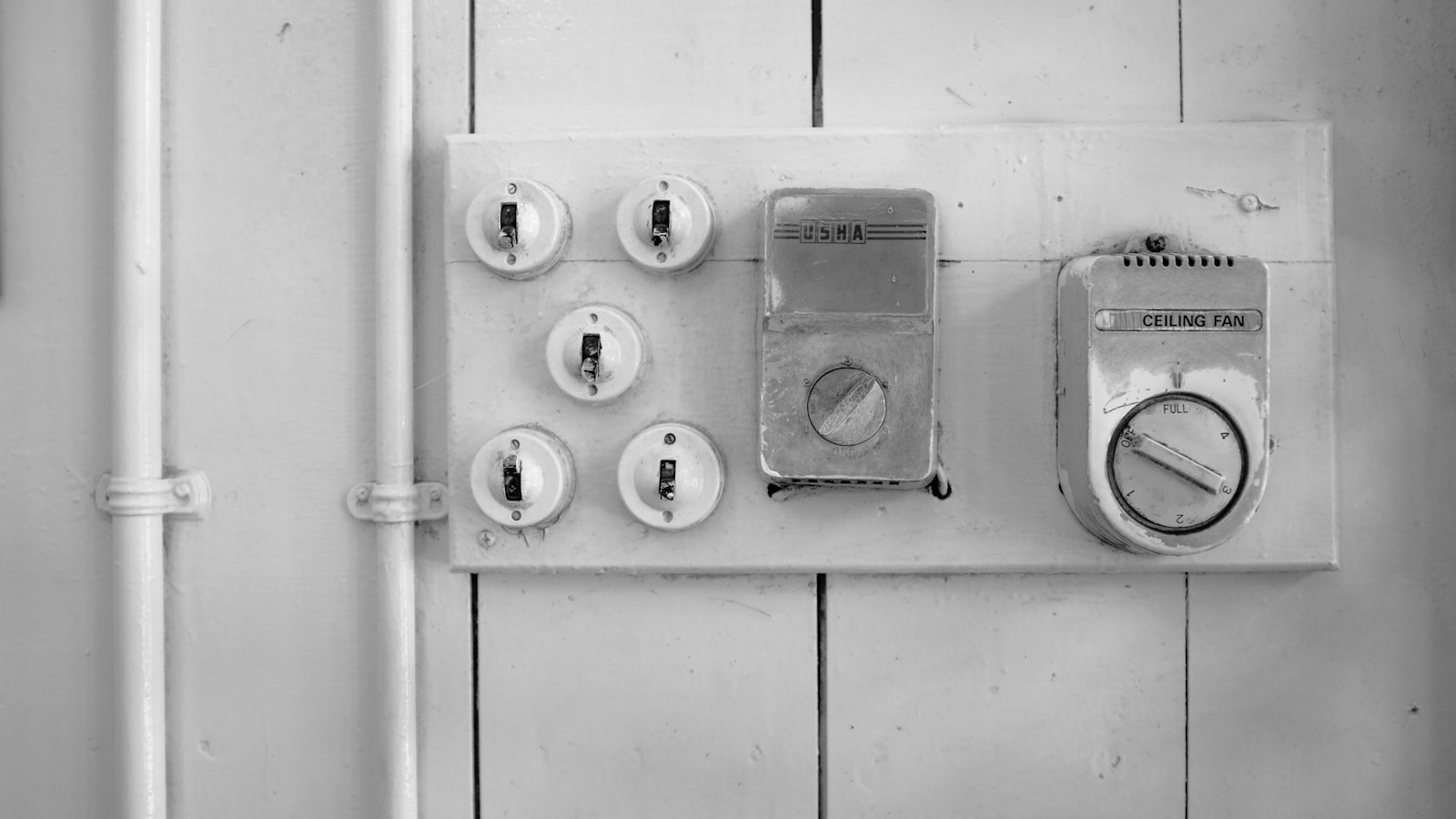
A smart switch replaces the wall switch that already controls a light or fan. Because it is wired into your home’s electrical circuit, it can control hardwired fittings that a plug never could, and it keeps the familiar physical switch on the wall so family members who never touch the app can still use it normally. The catch is the wiring. Many smart switches need a neutral wire at the switch box to power their electronics, and older Singapore flats often ran only a live wire to the switch, so you may need to check what is behind your wall plate before buying. Any hardwired installation should be done by a licensed electrician, both for safety and because DIY mains work is not something to gamble on. There are no-neutral models available, but compatibility varies, so confirm before you buy.
Plug or Switch: A Quick Comparison
| Feature | Smart Plug | Smart Switch |
|---|---|---|
| Installation | Plug into any socket, no wiring | Wired into the wall, best done by a licensed electrician |
| Suits renters | Yes, fully removable | Less so, it is a semi-permanent change |
| Controls hardwired lights and ceiling fans | No | Yes |
| Neutral wire needed | No | Often yes, check your switch box first |
| Keeps a physical wall control | The appliance’s own switch stays | Yes, the wall switch still works |
| Best for | Lamps, fans, heaters, chargers, appliances on a socket | Ceiling lights, downlights, wired fans, whole-room control |
Neither is strictly better. Many homes end up using both: plugs for movable appliances and switches for the fixed lighting they use every day.
What Is Actually Worth Automating
It is easy to buy a drawer full of smart plugs and automate nothing useful. The trick is to target the switches you flick often, the ones you forget, or the ones tied to comfort and cost.
- Lights: schedule lamps to come on at dusk, or set them to switch off automatically at bedtime so nobody has to get up.
- Fans: pair a fan with the weather or a timer so it runs during the hot afternoon and switches off overnight, which is handy in our climate.
- Water heater: a strong use case in Singapore homes, where storage heaters are often left on. A schedule means the heater is warm for your usual shower times and off the rest of the day, which trims standby waste. For a hardwired heater, treat this as switch or electrician territory, not a plug job.
- Chargers and “vampire” devices: cut power to phone chargers, set-top boxes, or a coffee machine when they are idle.
- Peace of mind: put a lamp on a randomised evening schedule when you travel so the flat looks lived-in, and check from your phone whether you left the iron on.
Start with two or three of these. Automation that quietly runs in the background is worth far more than a gadget you have to think about.
Energy Monitoring and Reading the Numbers
Many smart plugs and some switches include energy monitoring, showing roughly how much power a device draws and how that adds up over a day or month. This is genuinely useful for spotting the quiet energy hogs: an old fridge, a heater left on, or a dehumidifier running longer than you thought. Seeing consumption in the app makes it much easier to decide what to put on a schedule.
Treat the figures as a helpful guide rather than a certified meter. Accuracy varies between models, and your actual bill depends on your electricity plan and tariff, so use the readings to compare devices and habits rather than to predict an exact dollar amount. If a plug shows one appliance is drawing far more than the rest, that is your cue to schedule it, replace it, or unplug it when idle. Small changes on the appliances you use daily tend to matter more than fussing over a phone charger that sips a trickle.
Buying Safe, Certified Gear in Singapore
Because these devices carry mains electricity, safety certification is not optional. Singapore uses the 3-pin (Type G) plug, and controlled electrical goods sold here should carry the Safety Mark, which shows the product meets local safety requirements. When you shop, look for that mark and buy from sources that stand behind it.
- Buy from established retailers such as Courts, Harvey Norman, Challenger, Best Denki, the official brand stores, or the brands’ own listings on Shopee and Lazada, rather than the cheapest unbranded unit from an unknown seller.
- Check for the Safety Mark and a proper 3-pin design made for Singapore sockets. Be wary of gear that ships with a two-pin plug or a travel adapter, which is a red flag for something not certified for local use.
- For anything hardwired, including most smart switches, water heaters, and ceiling fittings, engage a licensed electrician. They will confirm whether you have a neutral wire, do the work safely, and keep your installation compliant.
- Prices vary widely between brands and sales periods, so compare current deals rather than assuming dearer means safer. Certification and a real warranty matter more than the sticker price.
Choosing an Ecosystem That Plays Nicely
A smart plug or switch is only as convenient as the app and voice assistant behind it. Before buying, decide which ecosystem you are building around, because mixing brands that do not talk to each other leads to a cluttered phone and half your home on the wrong app.
- Voice assistant: check the device works with whichever assistant you already use on your phone or speaker, so you can say “switch off the fan” and have it work.
- The Matter standard: newer devices that support Matter are designed to work across different platforms, which future-proofs your setup and reduces lock-in. It is worth favouring where available.
- One app where possible: sticking to a single reliable brand for most of your plugs and switches keeps routines in one place and makes automations easier to build.
- Local control: some devices keep working on a schedule even if your internet drops, which is reassuring for lights and fans.
Get the ecosystem right first, then add devices into it. That order saves the frustration of a home that only half responds.
Explore more
Ready to go further? See our smart home setup guide for Singapore to plan hubs, ecosystems and routines before you buy, and our smart home security cameras guide if monitoring is next on your list. For the network that ties it all together, our home Wi-Fi and mesh networking guide helps keep every device connected.