
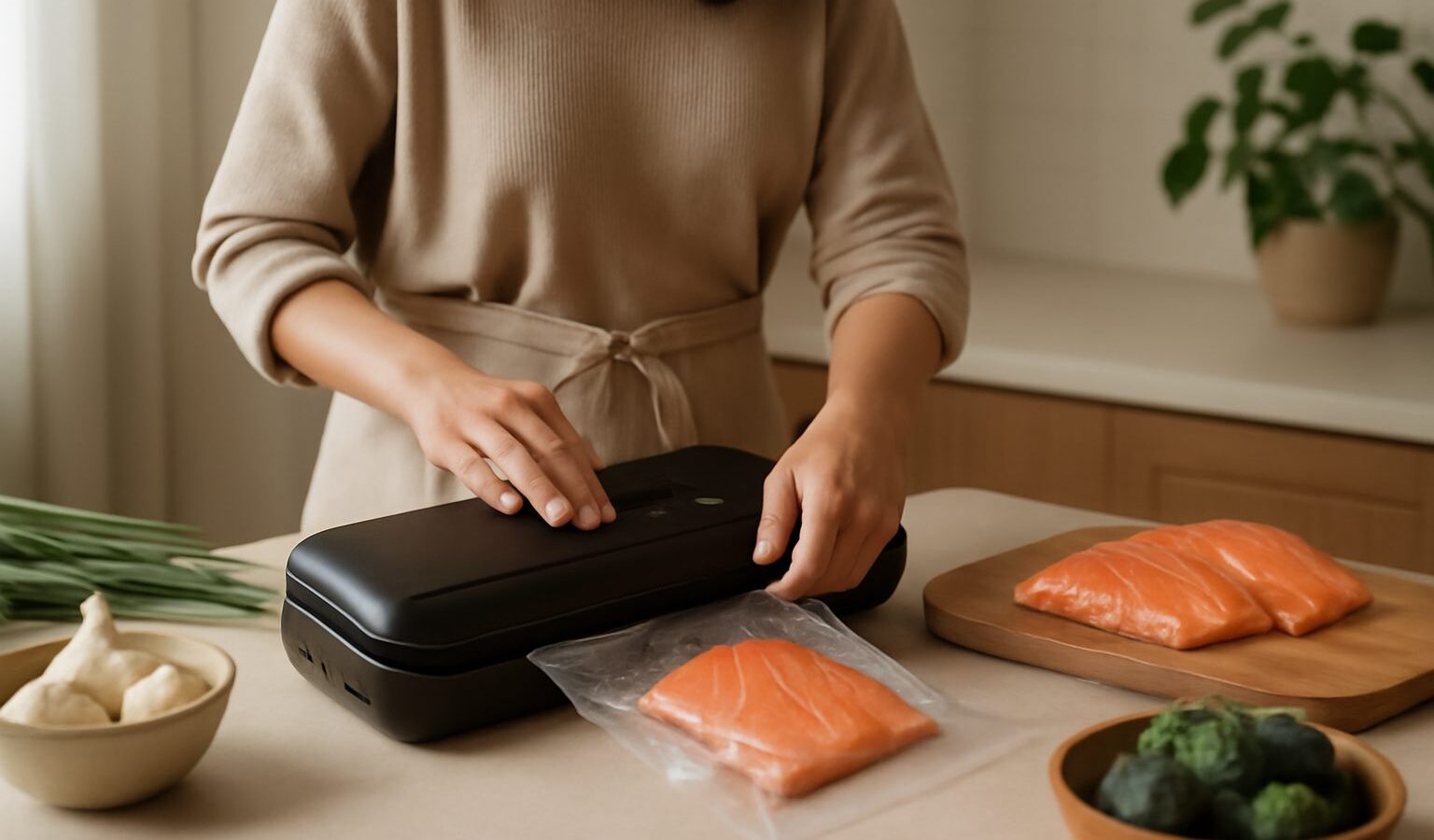
A vacuum sealer singapore home cooks are increasingly adding to the kitchen does one simple thing well: it removes air from around food and seals it tight. Less air means slower spoilage, fewer freezer burns and neater storage. It also opens the door to sous vide cooking and tidy meal prep. This guide covers the main types, the features that count, and the food safety basics you must not skip, because sealing is a storage aid, not a substitute for proper chilling.
How Vacuum Sealing Helps
Air is the enemy of stored food. Oxygen dries out surfaces, encourages freezer burn and lets some spoilage organisms thrive. By drawing out most of that air and sealing the bag, a vacuum sealer slows these processes and keeps food fresher for longer.
The practical wins are easy to see. Meat and fish keep better in the freezer without that pale, leathery burn. Bulk buys can be split into portions and sealed individually. Marinades work faster because the food sits in close contact with the liquid. Dry goods such as coffee, nuts and spices stay fresher, and bulky items pack down to save shelf space.
In humid Singapore, keeping air and moisture away from stored food is especially handy, though it works alongside your fridge and freezer rather than replacing them.
Types Of Vacuum Sealer
There are three common formats, each suited to a different level of use.
External or edge sealers are the most popular for home kitchens. You place the open end of a bag into the machine, it sucks the air out and heat seals the edge. They are compact, affordable and easy to store, and they handle everyday portioning well. They are best with textured or channelled bags designed for suction.
Chamber sealers place the whole bag inside a sealed chamber. They handle liquids and marinades far more cleanly, seal faster in sequence and use cheaper flat bags, but they are larger, heavier and pricier. They suit serious meal preppers, sous vide enthusiasts and anyone sealing wet foods often.
Handheld sealers work with special valved bags or containers and are useful for quick, occasional jobs or for resealing snacks. They are the most portable but the least powerful.
Most households do well with a good external sealer. Step up to a chamber model only if you seal liquids regularly or cook sous vide often.
Features That Matter
A few features separate a machine you love from one that gathers dust.
Sealing modes give you control. A moist setting adjusts the seal for damp foods, while a dry setting suits solids. A pulse or manual vacuum button lets you stop before delicate items such as bread, pastries or soft fruit get crushed.
Seal strength and a reliable heat bar decide how well bags hold. A wide, even seal is less likely to leak. Some units offer a double seal for extra security on items destined for the freezer.
An integrated bag cutter and storage roll holder make custom length bags simple, cutting waste. Look also for a removable drip tray to catch any liquid drawn up during sealing, since it keeps the machine clean and easy to maintain.
Accessory ports let you seal jars and containers using a hose, which is handy for delicate or bulky items you do not want to compress. On a 230V supply here, power is rarely a limit, but a short rest between seals prevents smaller units from overheating during a long meal prep session.
Here is a simple guide to which type fits which cook.
| Type | Best for | Handles liquids | Footprint |
|---|---|---|---|
| External or edge | Everyday home use | Fair with care | Small |
| Chamber | Frequent sous vide, wet foods | Excellent | Large |
| Handheld | Quick jobs, resealing | Limited | Very small |
Bags, Rolls And Compatibility
Not every bag works with every machine. External sealers need textured or embossed bags that let air travel out through the channels; smooth bags meant for chamber machines will not vacuum properly on them. Buying the right bag type avoids weak seals and wasted food.
Reusable options exist too. Some bags are sturdy enough to wash and use again for dry goods, and container attachments let you seal reusable tubs, which cuts down on single use plastic over time. Always leave enough clear space at the open end so the heat bar gets a clean, grease free strip to seal.
Food Safety You Must Not Skip
This is the part to read twice. Vacuum sealing slows spoilage, but it does not make food shelf stable and it does not kill bacteria.
Sealing is not a replacement for refrigeration or freezing. Perishable foods such as raw meat, fish, cooked dishes and cut vegetables still belong in the fridge or freezer. Removing air actually creates a low oxygen environment, which some harmful bacteria, including the ones behind botulism, can prefer. That means vacuum sealed perishables should stay chilled, never left at room temperature, and should be used within safe timeframes rather than assumed to last indefinitely.
Take extra care with certain foods. Raw garlic in oil, soft cheeses, mushrooms and fresh, unblanched produce can be higher risk when sealed and stored warm, so keep them cold and use them promptly. Let hot food cool before sealing, and label bags with the date so nothing lingers past its prime.
For sous vide, use bags rated as food safe for cooking temperatures, keep to trusted time and temperature guidance, and refrigerate or serve the food promptly afterwards. Thaw sealed items in the fridge rather than on the counter.
Treat the sealer as one tool in a safe kitchen: it improves storage quality and cuts waste, but your fridge, freezer and good habits still do the heavy lifting. Buy the type that matches your cooking, feed it the right bags, and follow the chilling basics, and a vacuum sealer will earn its place on the worktop.
Explore more
Home Appliance Shopping
Buying Kitchenware
How to Refresh Your Home Without Renovating