
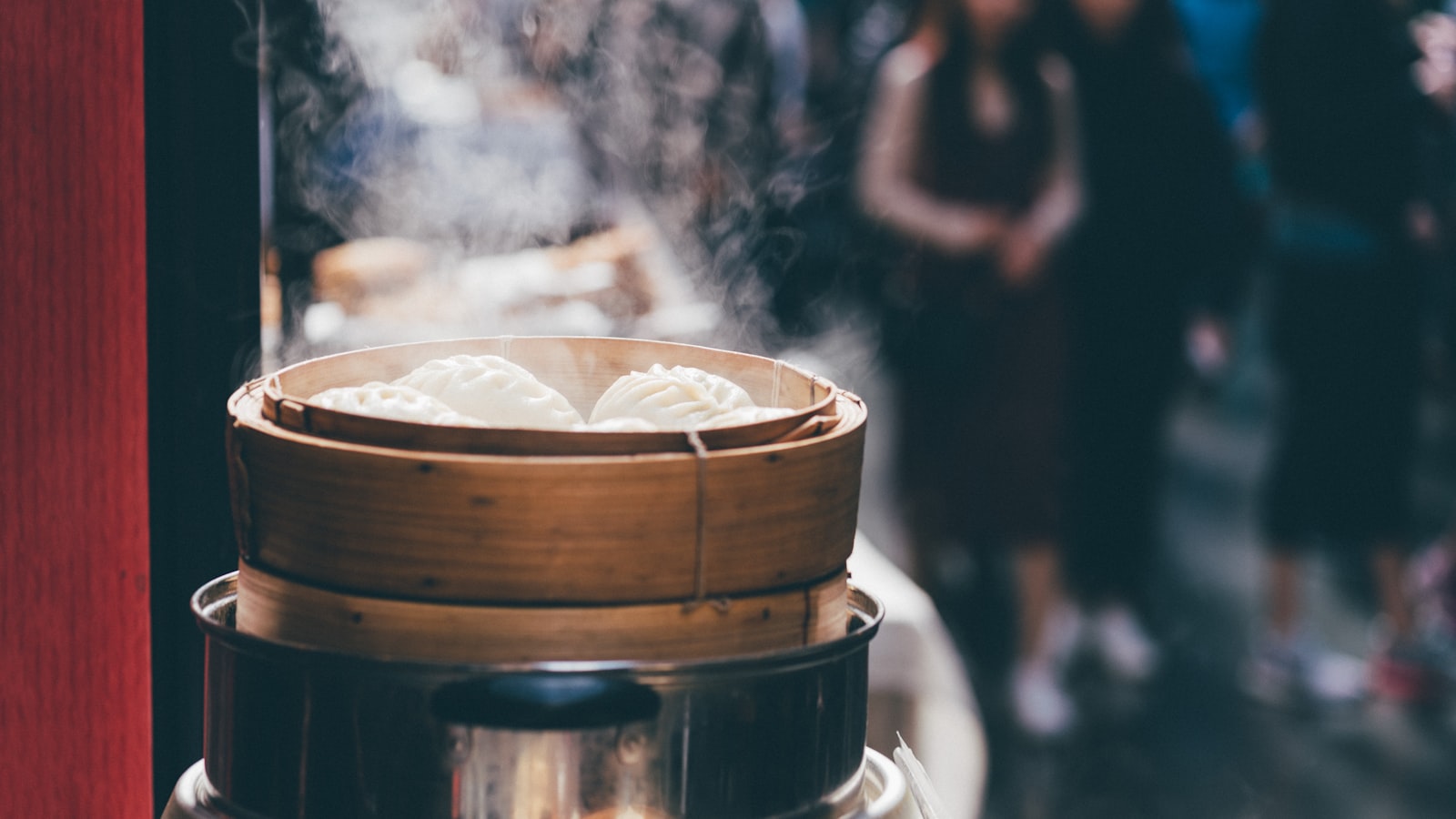
Steaming is one of the most natural cooking methods for a Singapore home. It suits the local love of fish, dumplings, chicken and vegetables, and it keeps the kitchen cooler than frying, which matters when you are already fighting the heat and humidity outside. If you have been relying on a wok and a metal steaming plate, a dedicated food steamer can make weeknight cooking faster and more consistent. This guide walks through the main types of food steamer in Singapore, what to look for, and how to use one safely on our 230V/50Hz mains.
Types of food steamer to consider
There are a few broad categories, and the right one depends on your kitchen size and how often you steam.
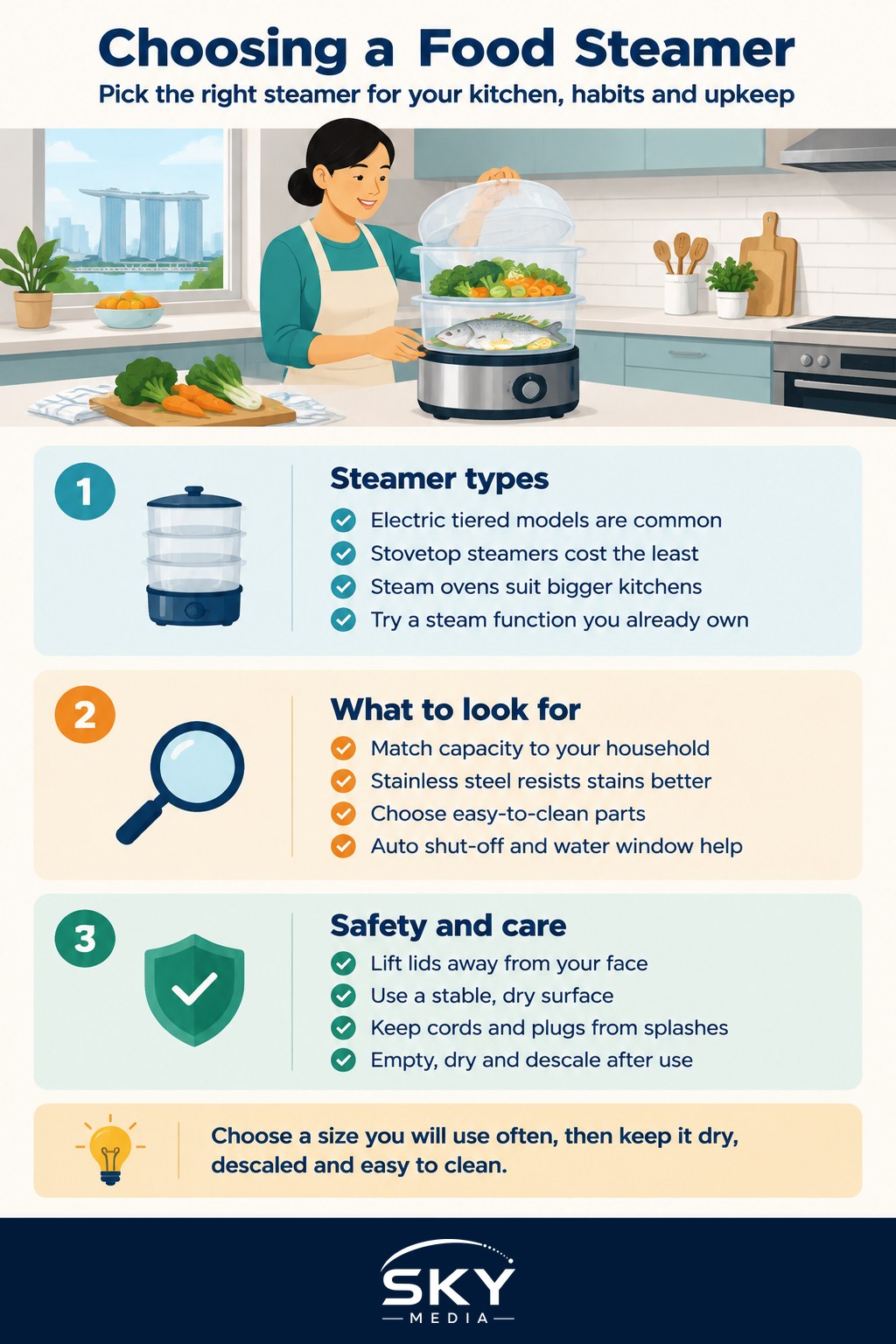
Electric tiered steamers are the most common. They have a water reservoir at the base and two or three stackable baskets, so you can cook rice, fish and greens at the same time. They are affordable and easy to store, but the plastic baskets can stain over time and take up cupboard space in a compact HDB kitchen.
Stovetop steamers, whether the traditional bamboo basket or a stainless steel tier that sits over a pot, cost the least and last for years. They need no socket and no reservoir to descale, but you have to watch the water level and they tie up a hob ring. Bamboo in particular needs thorough drying in our humid climate or it will grow mould between uses.
Steam ovens and combi microwave-steam units are the premium option. They are built for condos and newer flats with more counter or built-in space, and they double as a normal oven or microwave. If counter space is tight, this all-in-one approach can actually save room compared with owning several single-purpose gadgets.
Multi-cookers and some pressure cookers include a steam function too. If you already own one, try it before buying a separate machine.
What to look for in Singapore
Capacity should match your household. A one or two person home rarely needs three large tiers, while a family that steams fish and vegetables most nights will want the extra baskets. Think about the footprint on your counter as much as the volume inside.
Material matters for longevity and cleaning. Stainless steel baskets resist staining and odour better than plastic and cope well with turmeric, sambal and other strongly coloured foods. Look for a design that comes apart easily, because trapped food and standing water in a warm kitchen invite smell and bacteria.
A water window and an auto shut-off are worth having. Steamers boil dry surprisingly fast, and a unit that switches off when the reservoir empties protects both the appliance and your kitchen. A timer that keeps food warm after cooking is handy if dinner runs late.
Descaling access is important because much of Singapore’s tap water leaves scale over time. A wide, smooth reservoir is far easier to wipe and descale than a narrow one with hidden corners. The same habits that keep a kettle healthy apply here, so it is worth reading up on how to descale your kettle and coffee machine and using the same routine on your steamer.
Energy use is modest compared with an oven, but if you steam daily it still adds up. Check the Energy Label where one is displayed, and see our notes on energy-efficient appliances if you are trying to keep the household bill down.
Using and maintaining your steamer safely
Steam causes scald injuries very easily, so lift lids away from your face and keep children clear while the unit is running. Place the steamer on a dry, stable surface, keep the cord and plug away from splashes, and use the correct 13A plug rather than a loose adapter. Do not run several high-draw kitchen appliances from one multi-plug, as overloading a socket is a real fire risk.
Empty and dry the reservoir and baskets after every use. In our humidity, water left standing overnight breeds smell and, in bamboo, mould. Descale the base regularly with a manufacturer-approved solution or diluted vinegar, then rinse well.
Good care is what makes a cheap steamer outlast an expensive one, so it helps to build the same habits you use across the kitchen. Our guide on how to maintain your home appliances and the piece on extending the lifespan of your appliances both apply directly to a steamer.
A food steamer is one of the cheaper, healthier upgrades you can make to a Singapore kitchen. Match the type and capacity to your home, favour stainless steel and easy cleaning, and keep it descaled and dry. Do that and it will serve you well for years, whether you are steaming a whole fish for a family dinner or reheating dim sum on a quiet weekday night.
Frequently Asked Questions
Can I steam food in a rice cooker or pot I already own? Often you can. Many rice cookers and multi-cookers have a steam function or come with a steaming tray, and a pot with a rack or bowl also works. Try what you have before buying a separate steamer, and keep the water level in check so it does not boil dry.
Is steamed food healthier than fried food? Generally it uses less added oil, so many people choose steaming for fish, vegetables and chicken. It also keeps the kitchen cooler than frying, which suits our weather. How healthy a dish is still depends on the ingredients and sauces you add.
Which foods are best for a beginner to steam first? Fish fillets, dumplings, vegetables and eggs are forgiving starting points. They cook quickly and show you how your steamer behaves. Place thicker items on the lower tier nearer the steam, and check doneness early until you learn the timing.
Can I leave a steamer running while I go out? It is safer not to. Steamers can boil dry quickly, and an unattended appliance is a fire and scald risk even with an auto shut-off. Stay in or near the home while it works, and unplug it once the food is done.
How do I stop my bamboo steamer from growing mould in humid weather? Wash it gently, then dry it thoroughly after each use, ideally in a well-ventilated spot or in the sun. Do not store it damp in a closed cupboard. Check the weave for dark spots before the next use and replace it if mould keeps returning.
Further reading: Choosing a Vacuum Sealer for Food · Choosing a Blender or Food Processor