
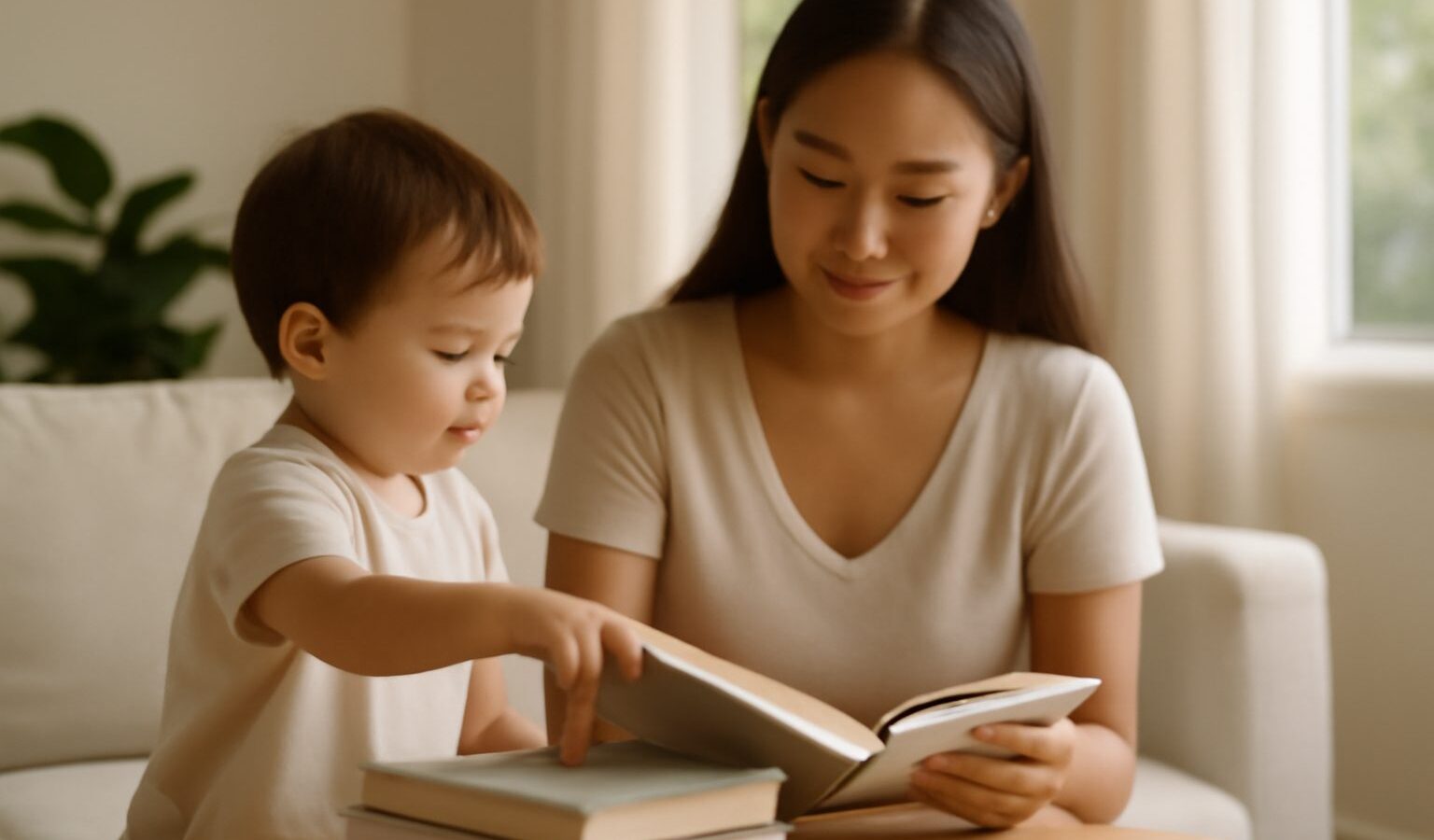
Choosing children books in Singapore can feel surprisingly tricky for such a simple pleasure. Walk into any bookshop or library and the sheer number of titles, levels and series is enough to make any parent hesitate. Yet the right book at the right moment can spark a lifelong love of reading, while the wrong one can quietly convince a child that books are a chore. The good news is that choosing well is less about finding perfect titles and more about understanding your child, offering variety and keeping the whole thing joyful. This guide walks through reading levels, interests, genres and how to make the most of the library so that reading becomes something your child reaches for, not something they endure.
Match the Level, Gently
A book that is far too hard can frustrate a child, while one that is far too easy can bore them. The aim is a comfortable stretch, a book that challenges just enough to be interesting but not so much that it defeats them.
A handy trick is the five finger test. Ask your child to read a page, holding up a finger for each word they cannot manage. If they raise around five fingers on a single page, the book is probably too hard for independent reading right now, though it may be perfect for reading together. One or two fingers suggests a good fit for reading alone.
That said, do not be ruled by levels. A child who is captivated by a particular book will often rise to meet it, and a slightly easy book read for pure pleasure builds fluency and confidence. Levels are a guide, not a cage. The best level is often simply the one your child is excited to open.
Follow Their Interests
The single most powerful factor in whether a child reads is whether the book connects to something they care about. A reluctant reader who loves football, dinosaurs, space or a particular cartoon will happily read pages about that subject that they would never touch otherwise.
Pay attention to what lights your child up in daily life and look for books that echo it. This might mean fiction, but it might just as easily mean fact books, comics, joke books, cookbooks or magazines. There is a common worry that some of these do not count as proper reading. They absolutely do. A child engrossed in a comic is decoding, following a story, building vocabulary and, most importantly, choosing to read. That is exactly what we want.
Offer a Mix of Genres
While following interests matters, it also helps to gently widen the menu over time. A child who only ever reads one series may miss the pleasures of other kinds of stories, and variety builds a more flexible, curious reader.
Aim across a season or a year to expose your child to a spread rather than insisting on any single book. A mix might include:
- Picture books for younger children, where illustrations carry much of the meaning and joy.
- Story books and novels that build the stamina to follow a longer narrative.
- Non-fiction on animals, science, history or how things work.
- Poetry and rhyme, which delight the ear and support early reading.
- Comics and graphic novels, which draw in reluctant readers and support visual storytelling.
You do not need to force any of these. Simply keep offering, leave interesting titles lying around, and let curiosity do the rest.
Make the Library Your Friend
You do not need to buy every book, and in fact trying every genre would be expensive if you did. Singapore’s public libraries, run by the National Library Board or NLB, are one of the best resources a reading family can have. Borrowing removes all the risk from trying something new. If a book does not land, you simply return it, no harm done.
Regular library visits also make reading feel like a normal, enjoyable part of life. Let your child roam a little and choose their own titles, even ones you might not have picked. Ownership of the choice matters enormously for motivation. Many libraries also run reading programmes and story sessions, and the NLB app lets you borrow digital books and audiobooks too, which can be a lovely option for journeys or bedtime.
The table below offers a rough guide to matching books to stages. Every child develops at their own pace, so treat it as a starting point.
| Stage | What often suits | A gentle tip |
|---|---|---|
| Toddler and preschool | Picture books, rhymes, board books | Read aloud daily, keep it playful |
| Early primary | Simple readers, short stories, comics | Follow interests, use the five finger test |
| Middle primary | Chapter books, series, non-fiction | Let them choose, mix in new genres |
| Upper primary and beyond | Longer novels, richer non-fiction | Discuss books together, keep it pressure free |
Keep the Love of Reading Alive
Beyond levels and genres, the deepest goal is to help your child love reading for its own sake. That love grows in a warm atmosphere, not a pressured one.
Read aloud together well past the age your child can read alone, because sharing a story stays precious for years. Let your child see you reading your own books, since children copy what they observe. Avoid turning reading into a test by quizzing them on every page, and resist comparing their progress with other children, which only breeds anxiety. Above all, protect reading as a pleasure. A child who is allowed to abandon a book they dislike, reread a favourite for the tenth time or read something you consider a little easy is a child learning that books belong to them.
Choosing children books in Singapore is really about knowing your child and keeping the door to reading open and inviting. Match the level loosely, follow their passions, offer variety, lean on the library and above all keep it joyful. Do that, and you give your child not just a stack of books but a companion for life.