
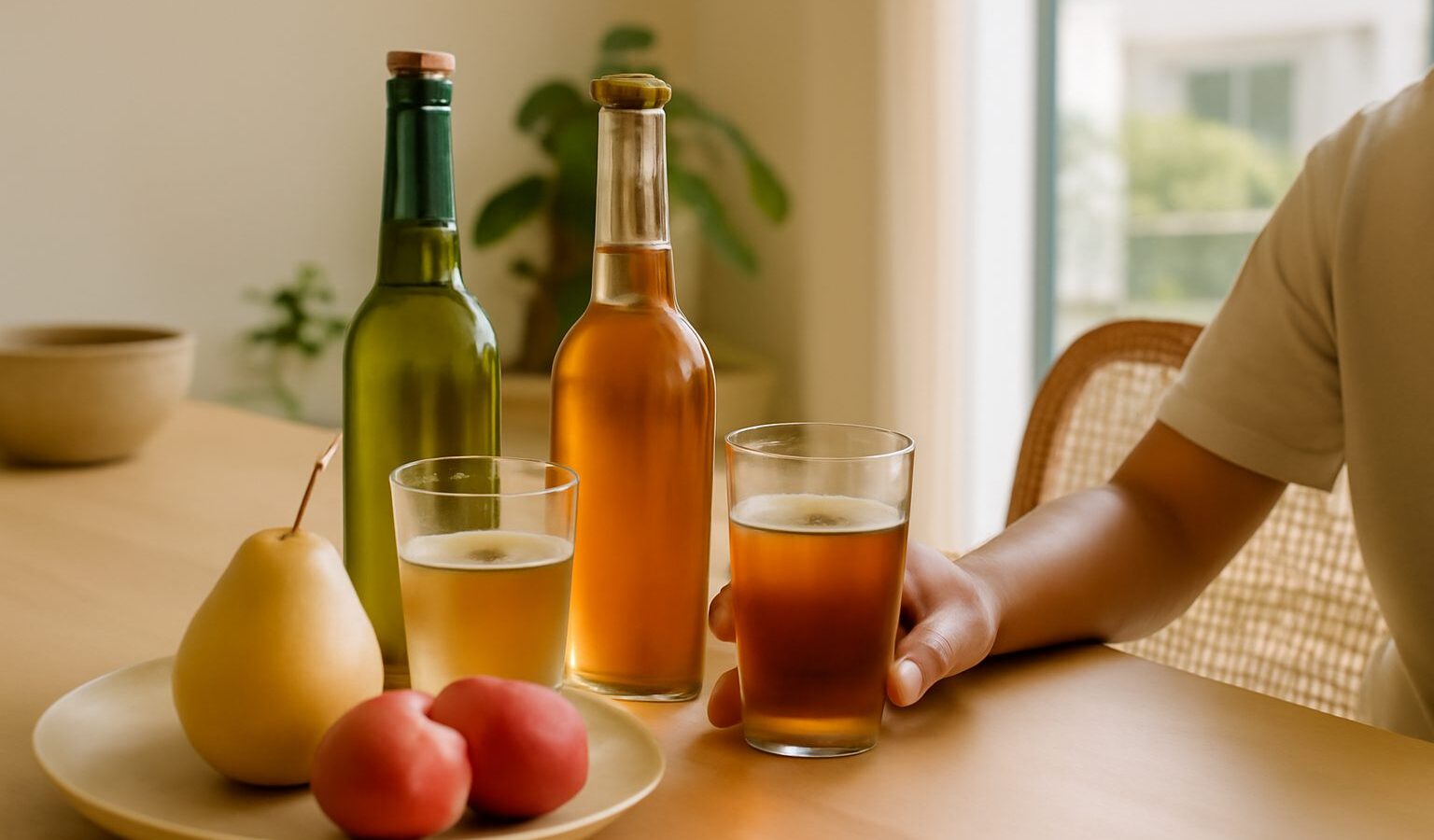
Cider is one of the most refreshing drinks you can reach for in a warm climate, which makes it a natural fit for Singapore. Crisp, lightly fizzy and easy to enjoy, it offers an alternative to beer and wine that is fruit forward without being heavy. Its close relative perry, made from pears, is less common but just as rewarding. This guide walks through what cider Singapore drinkers should know, the main styles, how to serve it, what to pair it with, and where to find it in the city.
First, a responsible word. The legal drinking age in Singapore is 18. Please drink responsibly, never drink and drive, and know your limits. Cider may taste light and juice like, but many styles carry as much alcohol as beer, so enjoy it in moderation as part of a good meal or a relaxed afternoon.
What Cider and Perry Actually Are
Cider is an alcoholic drink made from fermented apple juice. Perry is its pear equivalent, made from fermented pears, and although it is sometimes labelled pear cider, traditional perry uses special perry pears rather than dessert fruit. Both have been made for centuries across Europe, particularly in England, France, Spain and parts of Germany.
The character of a cider comes from the apples used and the way it is made. Broadly, you will meet these styles:
- Dry cider, crisp and tart with little residual sweetness, closest to the traditional farmhouse style.
- Sweet cider, softer and more approachable, with plenty of apple sweetness left in.
- Sparkling cider, lively and carbonated, the most common style you will find chilled and bottled.
- Still or scrumpy style cider, flat or barely fizzy, often cloudy and full of rustic character.
Regions each have their own signature. English cider tends to be robust and tannic, drawing on bittersweet cider apples. French cidre, especially from Normandy and Brittany, is often gently sparkling, lower in alcohol and elegantly balanced between sweet and dry. Spanish sidra from Asturias is dry, tart and traditionally poured from a height to aerate it. Perry, at its best, is delicate and floral with a soft pear sweetness that makes it a lovely introduction for newcomers.
How to Serve Cider and What to Pair It With
Cider is at its best served cold. Chill it well and pour it into a glass rather than drinking from the bottle, so you can enjoy the aroma and the colour, which ranges from pale straw to deep amber. A stemmed glass or a simple tumbler works fine, and there is no need for anything fancy. Sparkling styles benefit from a tall glass that shows off the bubbles.
Because cider bridges the gap between fruit and alcohol, it is remarkably versatile at the table. Its acidity cuts through fat and its sweetness balances spice. Try pairing it with:
- Roast pork, sausages and other rich meats, a classic cider match.
- Fried foods, from fish and chips to fritters, where the crisp bubbles refresh the palate.
- Sharp cheeses and creamy blue cheeses.
- Spicy Southeast Asian dishes, where a slightly sweeter cider tames the heat.
Dry ciders lean towards savoury food, while sweeter ciders and perry sit happily alongside lighter dishes or on their own as an aperitif. If you enjoy exploring drink and food matches, our craft beer guide Singapore covers similar territory for beer, and the wine guide Singapore is useful if you want to compare pairing principles across drinks.
Where to Enjoy Cider in Singapore
Cider has a modest but growing presence in Singapore. Craft beer bars and taprooms are among the best places to find it, since many carry a rotating cider or two alongside their beer taps, sometimes on draught. Pubs and gastropubs, particularly those with a British or European leaning, often stock bottled ciders and pair them naturally with their menu. Supermarkets and specialist bottle shops usually keep a selection of imported ciders for enjoying at home, and this is a good way to taste different regional styles side by side.
Perry is harder to track down and tends to appear only occasionally at specialist venues or in imported bottle ranges, so it is worth asking staff or checking current listings if you are keen to try it. As with any drinks scene, the specific bars, brands and stock change over time, so a quick check before you go will save disappointment.
If you like the idea of building a small drinks collection at home, our guide to stocking a home bar in Singapore is a helpful starting point. And for another refreshing, sessionable style of drink, the companion piece on Japanese whisky and highball bars in Singapore shows how a long, cold serve can be just as satisfying.
Cider is the easygoing member of the drinks family. Chilled, crisp and food friendly, it is one of the simplest ways to bring a little orchard freshness to a Singapore evening.