
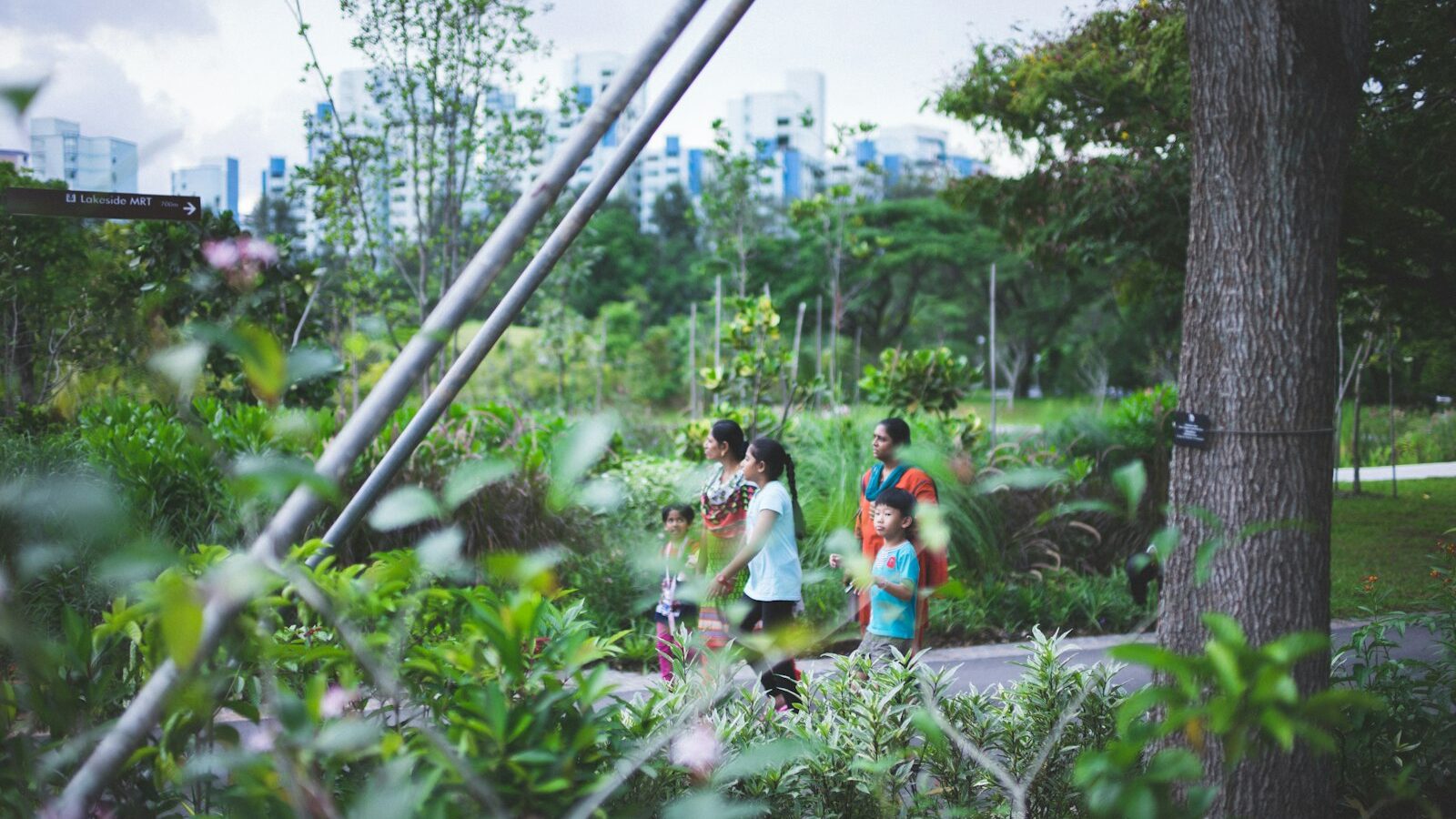
Some of the greenest, friendliest corners of our estates are tended by neighbours, not contractors. Community gardens singapore residents have built together turn a patch of grass beside a block, a rooftop or a slice of a park into a shared plot of herbs, vegetables and flowers. You do not need land, experience or even a green thumb to take part. You just need a little curiosity and the willingness to show up, water something, and swap tips with the people around you.
This guide walks through the main ways to grow in company here: the Community in Bloom programme that supports garden groups across HDB estates, the allotment garden plots you can rent from NParks in various parks, what people actually grow in our climate, and how to join or start a group. Along the way it looks at why shared gardening is so good for wellbeing, and offers a few practical tips for tropical edible gardening on a plot you share with others.
Community in Bloom and Gardens in HDB Estates
The best-known route into community gardening is NParks’ Community in Bloom programme, which supports groups of residents who want to garden together in their neighbourhood. These gardens spring up in all sorts of places: a strip of ground beside an HDB block, a rooftop, a plot within a community club, a school or a nursing home. Volunteers plan the beds, share the watering and harvesting, and decide together what to grow, from leafy greens and herbs to fruiting plants and ornamental flowers that draw butterflies and bees.
What makes these gardens special is that they are collective. The work, the produce and the knowledge are shared, so a beginner can learn simply by turning up and helping. Many groups hold regular gardening sessions, welcome newcomers, and celebrate harvests together. Because the exact schemes, support and any application steps can change over time, the current details on starting or joining a Community in Bloom garden are best checked directly with NParks.
Renting an Allotment Garden Plot
If you would rather have your own patch to plan and tend, allotment gardening is the other main option. NParks offers allotment garden plots in a number of parks, where you can rent a raised planter bed for a set period and grow whatever you like within it, subject to the garden’s guidelines. Unlike a shared community garden, the plot is yours to design, though you are still gardening alongside a friendly community of fellow plot-holders in the same space.
Allotments are popular, so availability, the rental period, plot sizes and how to apply are all managed by NParks and can change. Rather than rely on any fixed figure, check the current allotment garden details and application process on the NParks website. The two paths, a shared community garden and a rented allotment bed, suit different temperaments, and plenty of people happily do both.
What People Grow and How the Options Compare
In our year-round warmth, shared plots tend to fill with hardy, fast, useful plants. Common choices include:
- Herbs and aromatics such as basil, mint, laksa leaf, pandan and curry leaf, which are tough and endlessly handy in the kitchen.
- Leafy greens like kang kong, cai xin and xiao bai cai, which grow quickly and can be picked young.
- Chilli and other fruiting plants, which love the sun and reward patience.
- Pollinator and ornamental plants, from flowering shrubs to butterfly-attracting species that make a garden buzz with life.
- Herbal and heritage plants that older gardeners often love to share and explain.
Here is a rough guide to how the main options compare.
| Gardening option | How to join | Who it suits |
|---|---|---|
| Community in Bloom garden | Join an existing estate group, or start one with neighbours via NParks | People who enjoy company and shared work |
| Allotment garden plot | Rent a raised bed from NParks in a participating park | People who want their own patch to plan |
| Therapeutic garden session | Take part in NParks-supported programmes and guided activities | Those seeking calm, wellbeing and gentle activity |
| Grow at home instead | Use your own balcony or corridor in pots | People short on time or wanting to start solo |
The Social and Wellbeing Benefits
The plants are only half the point. Community gardens knit people together. Regulars often say the garden is where they finally met their neighbours, learned names, and found a reason to step outside and move a little each week. For retirees especially, a garden group offers gentle routine, purpose and friendship. For families, it is a way for children to see food grow and to understand where dinner comes from.
There is a quieter benefit too. Tending plants, feeling soil and watching something grow is genuinely calming. NParks supports therapeutic gardening, an approach that uses horticulture to support mental wellbeing, relaxation and connection, often through therapeutic gardens and guided sessions designed for that purpose. You do not need a diagnosis or a reason to benefit; the simple rhythm of watering, weeding and harvesting does people good. As general wellbeing rather than medical treatment, it complements, and does not replace, professional care where that is needed.
Tips for Sharing a Tropical Plot
Gardening in company, in our heat, has its own etiquette and rhythm. A few habits keep a shared plot happy:
- Share the watering. In the tropics, pots and beds dry fast. Agree a rota so nothing goes thirsty over a hot weekend, and water in the early morning or evening.
- Grow what thrives. Stick to hardy tropical edibles and pollinator plants that suit the sun and rain, rather than fussy temperate crops that struggle here.
- Respect shared space and rules. Keep paths clear, label communal beds, and follow the garden’s guidelines on what may be planted and how harvests are shared.
- Pass on knowledge and cuttings. The generosity of gardeners is the best part. Share seedlings, seeds and tips freely, and ask when you are unsure.
- Go easy on sprays. Pick off caterpillars by hand and keep plants healthy rather than reaching for chemicals in a space others share.
None of this needs to be perfect. A shared garden is forgiving, and the occasional lost crop is simply part of learning together.
Getting Involved Locally
The easiest first step is to find out what already exists near you. Look for a community garden beside your blocks, at your community club or in a nearby park, and ask whether the group welcomes new hands, which they almost always do. If there is nothing close by, gather a few interested neighbours and explore starting one, or put your name down for an allotment plot. Because programmes, plot availability and application steps are managed centrally and can change, confirm the current options with NParks before you plan.
Explore More
Growing with others is one of the most joyful ways to live greener here. If you would like to start smaller at home first, see our guide to growing your own food in Singapore, and if the community side appeals to you, there are many more hands-on ways to help nature through volunteering for the environment in Singapore.
Related across Sky Media: A Guide to Community Gardens in Singapore