
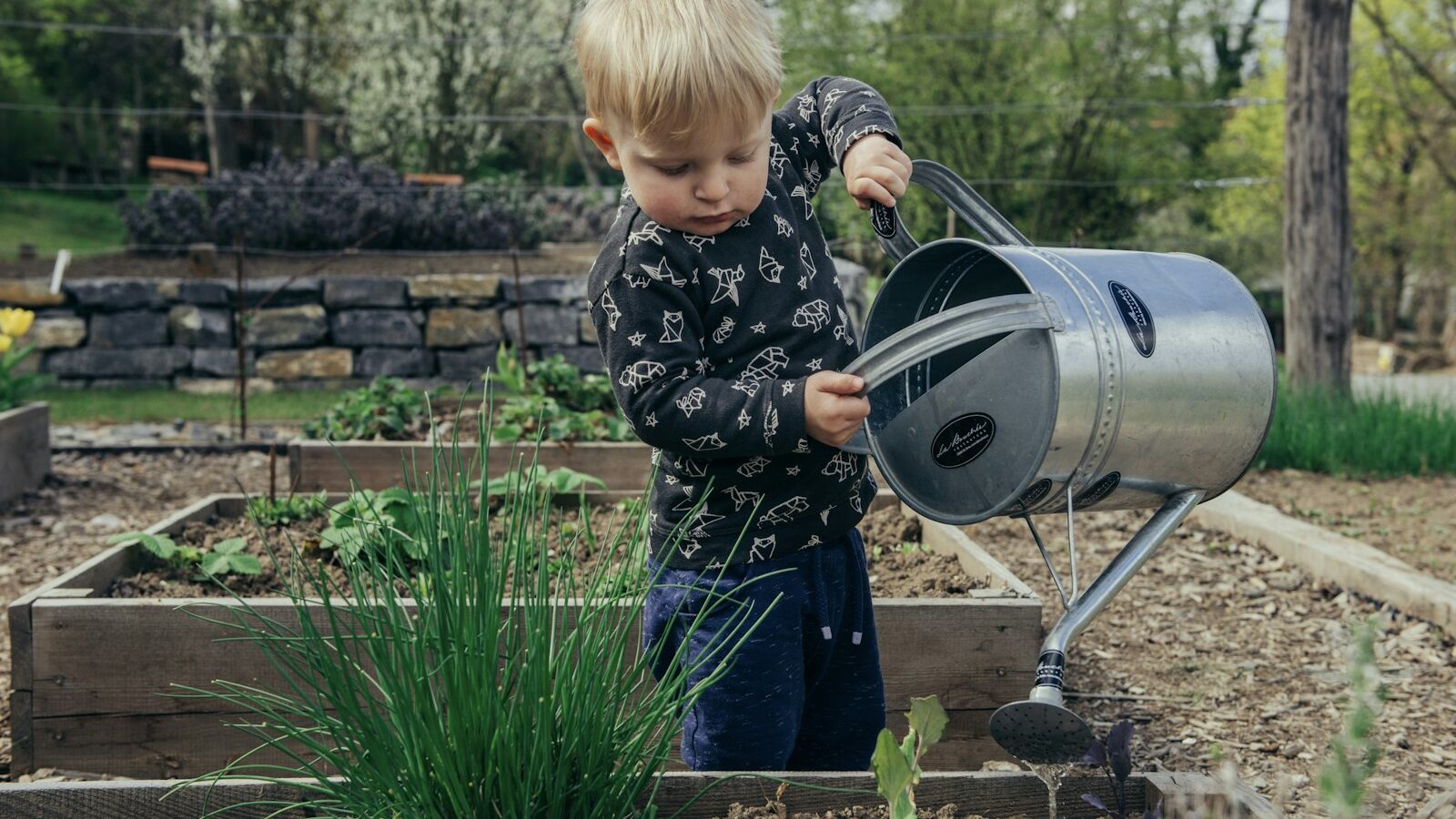
Singapore is warm and wet, so it is easy to assume the garden looks after itself. Yet anyone who tends a balcony of pots or a landed garden knows how thirsty plants get during the drier months, when weeks can pass with little rain and the afternoon sun bakes every container dry by lunchtime. Water saving in the garden is not about letting your plants wilt. It is about giving them what they need without wasting a drop, which is kinder to your bill and to a small island that imports and treats a lot of its water.
Water is precious here in a way it is not everywhere. PUB, the national water agency, manages a careful balance of local catchment, imported water, NEWater and desalination, and it encourages everyone to use water wisely at home and outdoors. A garden that drinks less fits neatly into that bigger picture, and the good news is that the habits below make plants healthier too. Overwatering causes more houseplant deaths than drought ever does.
Water at the Right Time, the Right Way
When you water matters as much as how much. In the heat of the day, a large share of what you pour evaporates before roots can take it up, and droplets on leaves can scorch in strong sun. Water early in the morning instead, before the sun is high, so plants are hydrated for the day and the soil surface has time to dry before nightfall. Late evening watering works too, though damp foliage overnight can invite fungal problems in our humidity, so aim water at the soil rather than the leaves.
How you water is the next lever. A gentle, deep soak that reaches the root zone beats a quick daily splash that only wets the top centimetre and encourages shallow, weak roots. A few practical habits:
- Water the soil, not the leaves, and slow down so it soaks in rather than running off.
- Water deeply but less often, letting the top of the soil dry between sessions so roots reach down.
- Check before you water by pushing a finger into the soil. If it is still moist a couple of centimetres down, wait.
- Group thirsty plants together so you are not soaking drought tough plants that do not need it.
- Use a can or a trigger nozzle you can switch off, never a free running hose.
Hold On to the Water You Have
The cheapest litre is the one you do not lose to evaporation and run-off. Two simple techniques do most of the work here: mulch and better soil.
Mulch is a layer of material spread over the soil surface, such as bark chips, dried leaves, straw or even shredded prunings from your own garden. A mulch layer shades the soil, slows evaporation, keeps roots cooler and suppresses weeds that would otherwise compete for moisture. In our climate it can dramatically cut how often you need to water pots and beds. Keep mulch a little away from plant stems so they do not stay wet and rot.
Soil that holds moisture also holds your effort. Mixing in compost or other organic matter helps sandy, fast draining mixes retain water for longer, so you feed the soil and save water at once. If you compost kitchen scraps or garden trimmings, you are closing a loop and reducing waste at the same time. For pots, choosing larger containers and grouping them reduces how quickly each one dries out, since small pots in full sun can need watering twice a day.
Reuse Greywater and Rainwater Sensibly
You already pay for a lot of clean water that could give your garden a second life. Greywater simply means gently used household water that is not from the toilet, such as the water you run while waiting for the shower to warm up, the water left after rinsing vegetables, or cooled water from steaming and boiling. Caught in a basin, this is perfect for potted plants and beds.
Rainwater is even better for plants and completely free. Even a covered container or a small barrel positioned to catch run-off from a sheltered area can top up your watering can for days. A word of caution that matters in Singapore: any water you store outdoors must be covered or emptied regularly, because standing water breeds mosquitoes. Follow NEA guidance on preventing mosquito breeding, and if you keep a rain barrel, seal it with a tight lid and screen. For balconies and corridors, also respect HDB and MCST rules on what you may place outside and never let water drip onto your neighbours below.
A few sensible rules for reused water:
- Use greywater on ornamental plants and soil, and avoid pouring it on the edible parts of food crops.
- Avoid water that carries strong detergents, bleach, grease or heavily salted cooking water.
- Use collected greywater within a day rather than storing it, so it does not turn stale or smelly.
- Water the soil directly and keep reused water away from paths where it could pool.
Choose Plants That Suit Our Climate
The biggest long term water saving comes from growing plants that actually like it here, rather than fighting to keep fussy, thirsty species alive. Many native and well adapted tropical plants shrug off heat and dry spells once established, needing far less pampering. NParks promotes gardening with species suited to Singapore, and choosing them means less watering, less fuss and more support for local biodiversity. Our guide to gardening with native plants is a good starting point, and if you want your greenery to buzz with life, a balcony butterfly garden pairs beautifully with a water wise approach.
Here is how common choices compare when the taps get tight:
| Plant choice | Water need | Effort in a dry spell | Best for |
|---|---|---|---|
| Native and adapted tropical plants | Low once established | Minimal, often rain fed | Beds, balconies, hedges |
| Succulents and cacti | Very low | Almost none, water rarely | Sunny pots and railings |
| Herbs and leafy greens | Moderate | Regular checks needed | Kitchen gardeners |
| Thirsty ornamental exotics | High | Daily watering, stress prone | Only if you can commit |
Grouping plants by these needs, sometimes called hydrozoning, means you water each group appropriately instead of drenching everything to keep the fussiest plant happy.
Small Habits That Add Up
Water saving in the garden is really a set of small, repeatable choices. Sweep paths and patios with a broom rather than hosing them down. Fix a dripping outdoor tap promptly. Reuse the water from a fish tank change, which is mild and full of nutrients, on ornamental beds. If you use appliances or fittings around the garden and home, understanding water efficiency labels helps you pick lower flow options, part of PUB’s WELS scheme. And if you are keen to green more of your surroundings, skyrise greenery and green roofs show how planting can cool buildings while being designed to use water efficiently.
None of this asks you to love your garden less. A mulched bed of well chosen plants, watered deeply at dawn and topped up with rain you caught for free, is usually greener and tougher than one you fuss over daily. Start with one change, perhaps a layer of mulch or a basin by the sink, and let the savings and the healthier plants encourage the next. Rules and figures around water do change, so check PUB’s current advice for the latest, and enjoy a garden that gives back more than it takes.
Related across Sky Media: Raised Bed Gardening in Singapore: A Practical Guide