
For a compact city, Singapore packs an outsized amount of art into its streets, warehouses and white-walled galleries. Contemporary art in Singapore is having a long, confident moment: national institutions sit alongside scrappy independent spaces, an art week takes over the calendar each January, and a growing community of local artists is telling stories rooted in this part of the world. If you have ever felt that “contemporary art” was not quite for you, this guide is an invitation to look again, and much of it is free.
What we mean by contemporary art here
Contemporary art broadly refers to work made in our own time, often by living artists, that responds to the world around us. In the Singapore context that can mean a painting wrestling with memory and migration, a video installation about the environment, a performance piece, or a mural on a shophouse wall. It is less about a single style and more about a conversation, and Southeast Asian voices are central to it.
That regional lens is one of the things that makes the scene here distinctive. Rather than echoing New York or London, the strongest work often draws on local history, multicultural life, rapid urban change and the wider region. You do not need to decode everything. A useful habit is simply to ask, in front of any piece, what is this about, and how does it make me feel.
Where to see it: the anchor institutions
A first-timer can build real confidence by starting at the larger venues, where wall texts and free tours help frame the work.
- National Gallery Singapore holds the world’s largest public collection of Singapore and Southeast Asian art, and pairs historical works with contemporary special exhibitions in a beautifully restored civic building.
- Singapore Art Museum (SAM) is the dedicated home of contemporary art, known for bold, often immersive shows staged across its spaces.
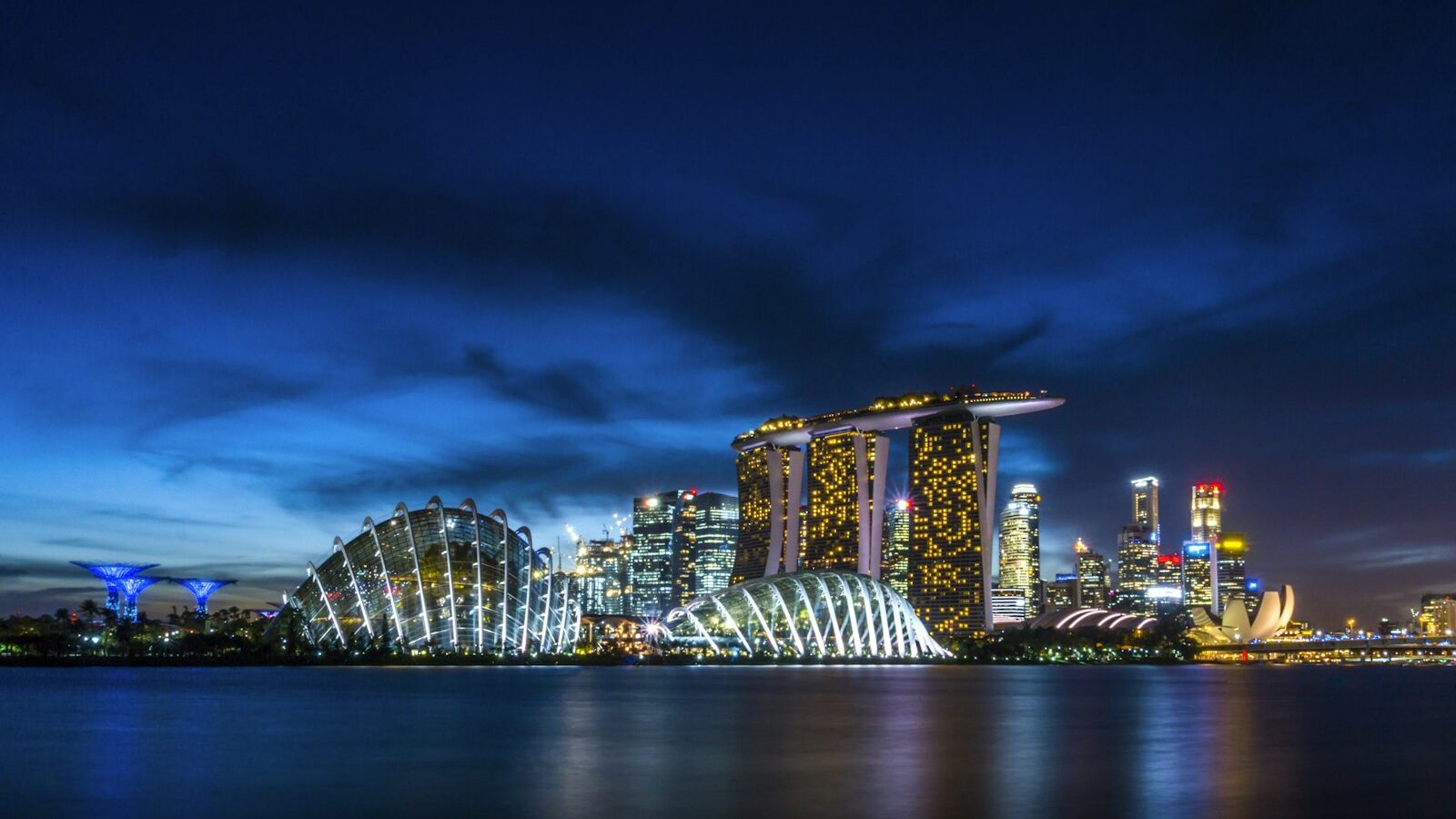
- ArtScience Museum at Marina Bay leans into art that meets technology, science and design, with plenty of large-scale, sensory installations.
These institutions are ticketed for some exhibitions and free for others, and they frequently run guided tours, talks and family workshops. Check each venue’s official website before you go, as programmes rotate throughout the year.
Gillman Barracks and the gallery scene
To see contemporary art as a working ecosystem, spend an afternoon at Gillman Barracks. This cluster of former colonial military buildings, tucked in greenery near the southern ridges, now houses a collection of contemporary art galleries showing local and international artists. Entry to the galleries is typically free, the pace is relaxed, and you can wander from show to show at will.
Beyond Gillman Barracks, commercial and independent galleries are scattered across the city, from the Bras Basah.Bugis arts district to standalone spaces in industrial estates and shophouses. Do not be shy about walking into a commercial gallery: browsing is welcome and free, and gallery staff are usually happy to talk about the work even if you are not buying.
The festival calendar and free art
The scene peaks each January during Singapore Art Week, a citywide burst of exhibitions, open studios, art fairs, tours and outdoor installations, much of it free to enjoy. The recurring Singapore Biennale brings large, ambitious contemporary shows to venues across the island. The Esplanade and other public spaces host free displays throughout the year, and the city’s growing collection of street art and murals turns entire neighbourhoods into open-air galleries.
Here is a rough map of ways in, across budgets and interests. Always confirm current dates, hours and prices with the organiser, as these change every year.
| Way in | What to expect | Typical cost |
|---|---|---|
| National institutions | Major shows, guided tours, wall texts | Free to moderate ticket |
| Gillman Barracks galleries | Contemporary local and international shows | Usually free |
| Singapore Art Week | Fairs, open studios, installations citywide | Many free events |
| Street art and murals | Self-guided neighbourhood walks | Free |
| Art fairs | Booths from many galleries under one roof | Ticketed |
How to enjoy it as a newcomer
The single biggest barrier to contemporary art is the worry that you need to “get it”. You do not. Curiosity is the only qualification. A few gentle habits make visits more rewarding:
- Give each work a moment. Look before you read the label, then read it and look again.
- Follow your reactions. Confusion, delight, even mild irritation are all valid starting points for thinking.
- Take the free tour. A short guided walk can unlock a whole show.
- Go with a friend and talk. Comparing impressions is half the fun.
- Pace yourself. Two rooms seen well beat twenty rushed.
It also helps to know the difference between the strands of the scene. The national museums offer polish and context; the independent galleries offer immediacy and the chance to meet emerging names; the festivals offer energy and serendipity. Sampling all three over a few outings gives you the fullest picture.
Supporting the scene
If a piece stays with you, there are easy ways to support the artists behind it. Follow galleries and artists you like, turn up to open studios and talks, and consider that original art is not only for serious collectors. Prints, editions and works by emerging artists can be surprisingly affordable, and buying directly from a degree show or open studio puts money straight into a maker’s hands. Even without spending, showing up is support: attendance and word of mouth help small spaces survive.
Contemporary art in Singapore is not a distant, members-only world. It is a living, welcoming scene woven through the city, from grand galleries by the Padang to a spray-painted wall down a back lane. Pick one venue this weekend, go in with an open mind, and let it lead you to the next.
Explore more
Ready to dive deeper? Start with our overview of the best art galleries in Singapore, then plan a laid-back afternoon with our guide to Gillman Barracks. For a free, self-guided option, follow the trail in our feature on street art and murals in Singapore, and consider how you can help by supporting local artists in Singapore.