
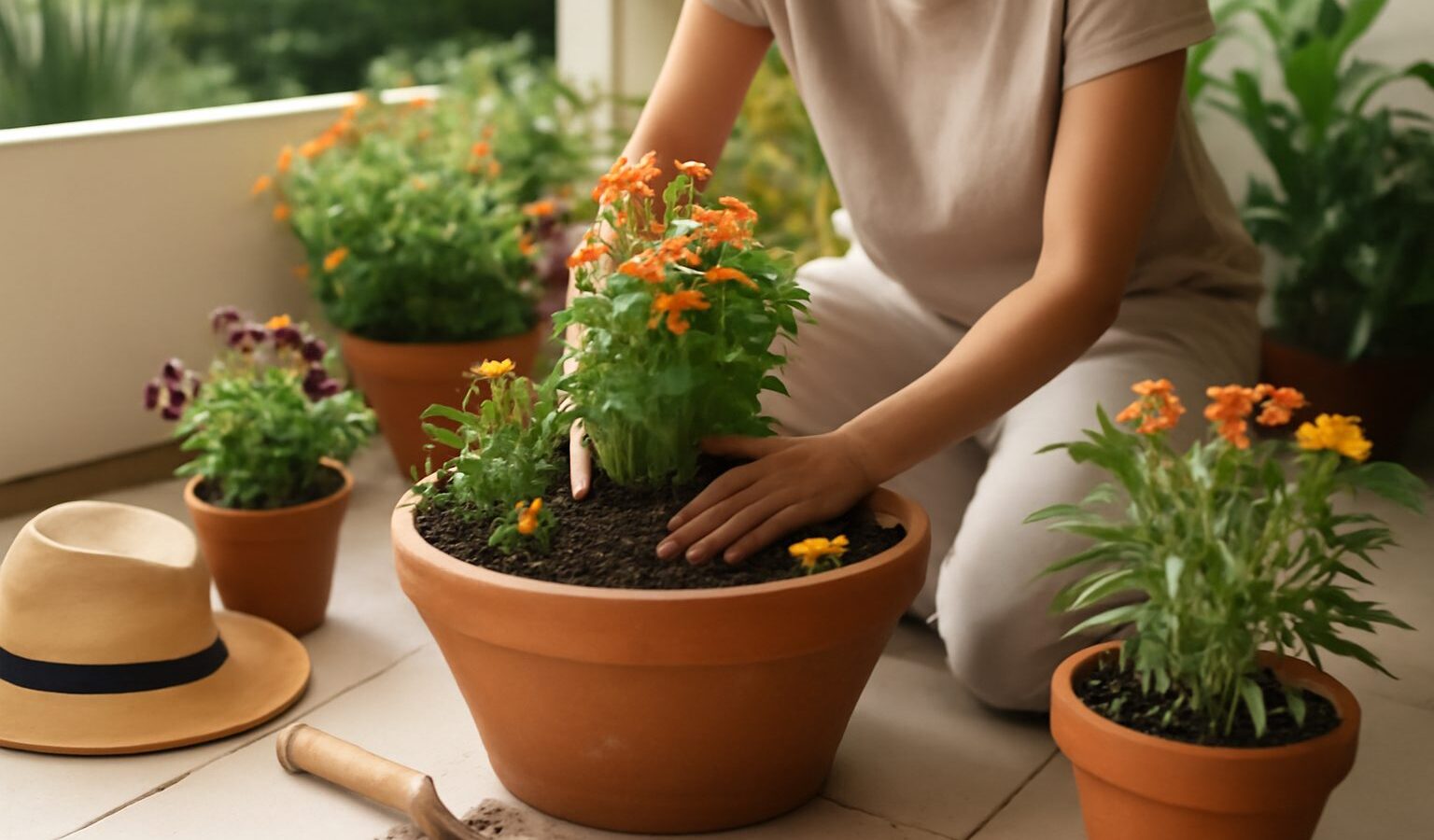
There is a quiet joy in watching a butterfly drift onto a flower you planted yourself, or hearing the soft hum of a bee at work on a sunny morning. A pollinator garden singapore project brings that joy right to your balcony, corridor or community plot, and it does real good too. Bees, butterflies, moths, birds and other pollinators keep our green spaces and food plants going, and with the right choices you can offer them food and shelter even in the heart of a dense city.

Why pollinators need our help
Pollinators move pollen from flower to flower, which lets plants make seeds and fruit. Without them, many flowering plants and food crops would struggle. In a built-up island like ours, natural habitats are patchy, so gardens, balconies and rooftops become important stepping stones that let insects and birds move safely across the city. Even a few well-chosen pots can act as a refuelling station on that journey.
Creating habitat at home also connects you to the bigger picture of caring for local nature. It sits nicely alongside efforts like biodiversity and urban wildlife in Singapore, and it is a hands-on way to support the city-in-nature vision that shapes so much of our greenery. Best of all, it is deeply rewarding to watch a small patch come alive.
Choosing the right plants
The heart of any pollinator garden is the planting, and here the golden rule is to favour native and non-invasive species. Native plants have grown alongside local pollinators for a very long time, so local bees and butterflies recognise them and use them readily. Just as importantly, please never plant known invasive species, because these can escape gardens, spread aggressively and crowd out the very plants and habitats we are trying to protect. If you are unsure whether a plant is suitable, check current NParks guidance or ask staff at a community garden or nursery before you plant it.
NParks and the Community in Nature programmes are excellent, trustworthy sources for plant lists suited to our climate and local wildlife. As a general guide, aim for a mix that offers something across the categories below, and choose specific species from official recommendations rather than picking unknown plants on impulse.
- Nectar plants: flowering plants that give adult butterflies, bees and moths a sugary meal. A spread of flower shapes and colours attracts a wider range of visitors.
- Host plants: leaves that caterpillars can eat. Many butterflies lay eggs only on particular host plants, so including these turns your garden into a nursery, not just a diner. Do expect nibbled leaves, which is a sign of success.
- Layered planting: mixing low herbs, shrubs and taller plants gives shelter and perches, and keeping something in flower across the year offers a steady food supply.
Grouping several of the same plant together makes them easier for pollinators to find than single scattered pots. If you would like a focused starting point, starting a butterfly garden on your balcony and gardening with native plants both offer friendly, local guidance.
Simple steps to get started
You do not need a big garden or any special skill. Start small and grow from there.
- Pick your spot. Most flowering plants like several hours of sun, so a bright balcony, corridor ledge or window box works well. Make sure pots are placed safely and cannot fall, especially in high-rise homes.
- Provide water. A shallow dish with a few pebbles for insects to land on gives pollinators a safe drink. Refresh it often and avoid letting it stagnate, so it does not breed mosquitoes.
- Skip the pesticides. Sprays that kill pests also kill bees and butterflies. Instead, tolerate a few nibbled leaves, remove pests by hand, and let natural predators help. A healthy, varied garden mostly balances itself.
- Offer shelter. A few denser plants, leaves left in place and a quiet corner give insects somewhere to rest and hide from sun and rain.
- Be patient. It can take weeks for word to spread in the insect world. Keep your plants healthy and the visitors will come.
A gentle word of care: enjoy your visitors by watching rather than handling them, and let wildlife find its own food from your plants instead of putting out food for it. Following NParks guidance keeps your garden both welcoming and responsible.
Watch it come alive
A pollinator garden is one of the most cheerful ways to bring a little wild back into city life. Start with a pot or two of suitable native-friendly plants, add water, skip the sprays and wait. Before long you will have your own tiny nature reserve to enjoy with your morning coffee, and you will be quietly helping the web of life that keeps our green island thriving.
Frequently Asked Questions
Will a pollinator garden attract mosquitoes or pests? Mosquitoes breed in standing water, not in flowers, so empty saucers and refresh water dishes often. A few nibbled leaves are normal. Remove pests by hand rather than spraying, which also harms bees and butterflies.
How long does it take for butterflies to find a new balcony garden? It can take several weeks for word to spread among insects. Keep plants healthy and flowering, group several of the same plant together, and the visitors will come. Patience matters, so do not give up if the first weeks seem quiet.
Do I need a lot of sun for a pollinator garden? Most flowering plants like several hours of sun, so a bright balcony or corridor ledge is ideal. A shadier spot can still hold some leafy plants, but flowering will usually be weaker.
What is a host plant and do I really need one? A host plant provides leaves that caterpillars eat, and many butterflies lay eggs only on particular ones. Including them turns your garden into a nursery, though you should expect some nibbled leaves.
Is it safe to garden for pollinators with young children at home? Generally yes, with simple precautions. Secure pots on high floors, skip pesticides, and teach children to watch bees and butterflies rather than touching them. Check plants are suitable if kids or pets might chew them.
Official sources: National Parks Board (NParks)
Further reading: Using Coffee Grounds and Eggshells in Your Singapore Garden · Native Groundcovers for a Low-Maintenance Singapore Garden