
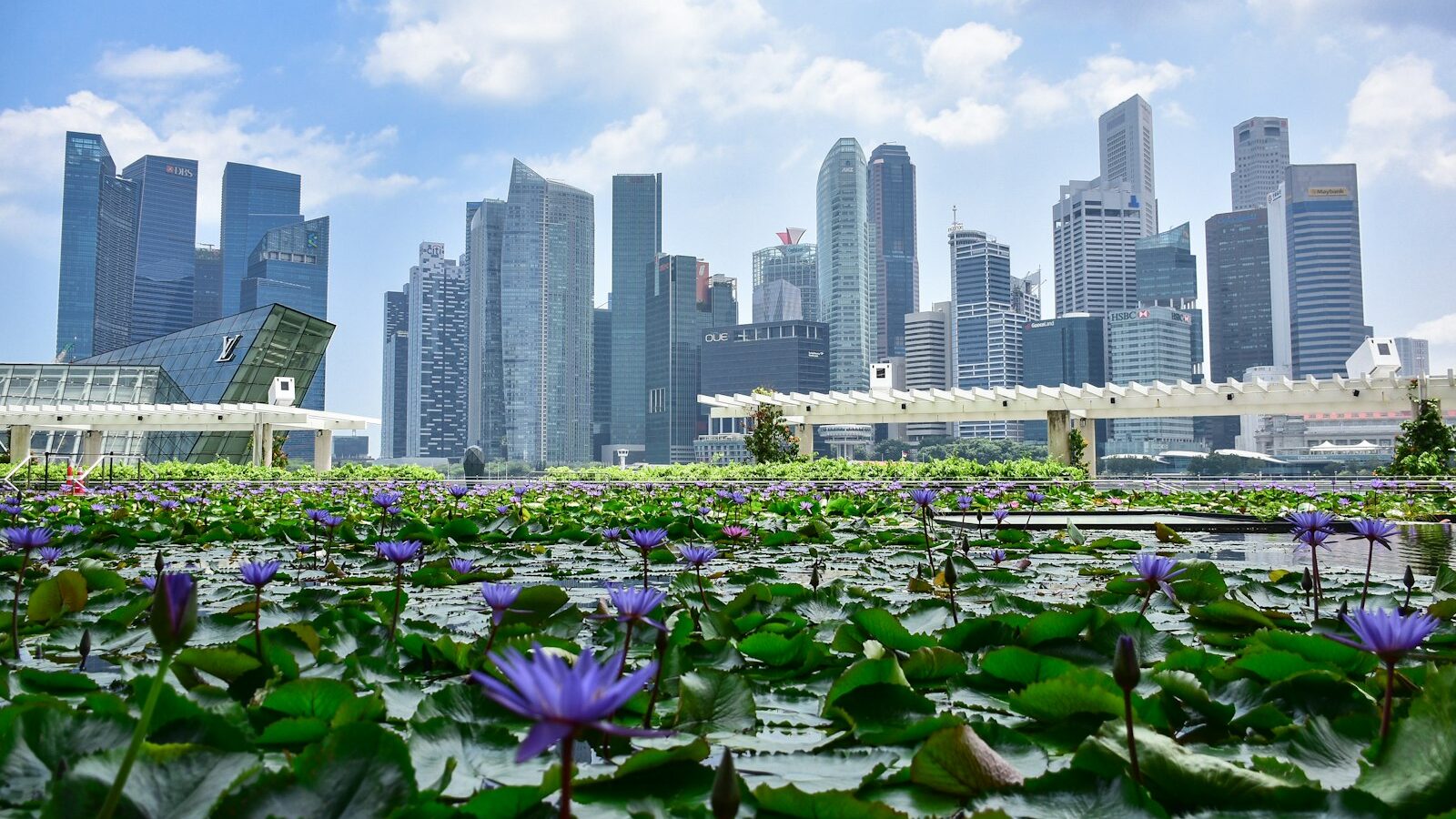
Gardening with native plants is one of the quietest, most rewarding ways to bring a little of Singapore’s natural heritage home. Native species evolved here, so they are built for our heat, humidity and sudden downpours, and they feed the birds, bees and butterflies that belong to this corner of the world. You do not need a landed garden or a green thumb to begin. A few well chosen pots by a sunny corridor, or a shared plot at the void deck garden, can become a tiny living patch of the wild.
This guide covers why native plants matter, which ones suit flat living, and how to get started without falling foul of the rules or breeding mosquitoes. Treat it as a friendly starting point and check the current advice from NParks, which keeps the authoritative records on our local flora through its Flora and Fauna Web resource.
Why Native Plants Are Worth the Effort
An ornamental garden centre plant can look lovely, but it often does little for local wildlife. Native plants pull double duty: they are the food plants and shelter that Singapore’s insects and birds actually recognise. Many butterflies, for example, will only lay eggs on specific native host plants their caterpillars can eat. Plant those, and you may see the whole life cycle unfold on your balcony.
There are practical wins too. Because native species are adapted to our climate, they generally shrug off the heat and the monsoon far better than fussy imports. That usually means less coddling, less watering once established, and fewer chemical props. In a city where green space is precious and fragmented, even small pockets of native planting help connect the dots between our parks, gardens and nature reserves, giving pollinators safe stepping stones across the island.
None of this is about being a purist. A mixed garden with a few favourite ornamentals alongside natives is perfectly fine. The point is that adding even one or two native plants tips the balance towards biodiversity, and that is a small step worth celebrating.
Native Versus Common Exotic Ornamentals
If you are deciding what to fill a pot with, it helps to weigh a native choice against a typical shop ornamental. The comparison below is general, since much depends on the specific plant and your spot, but it captures the broad trade-offs.
| What to consider | Native plants | Common exotic ornamentals |
|---|---|---|
| Value to local wildlife | High: often host or nectar plants for local butterflies, bees and birds | Low to variable: may offer nectar but rarely host local caterpillars |
| Care once established | Usually lower: adapted to our heat, humidity and rain | Often higher: some need shade, feeding or pest control to thrive here |
| Weather resilience | Strong: cope with monsoon downpours and dry spells | Mixed: tender types can struggle in full tropical sun |
| Where they belong | Part of Singapore’s natural heritage | Introduced; a few can escape and become weedy |
Native Plants to Try on a Balcony or Corridor
Singapore has a rich native flora, from towering trees to modest shrubs and creepers, so start with plants sized for your space. Rather than fixing on brand names or a rigid list, look for well documented natives that suit pots and part sun, and confirm details on NParks Flora and Fauna Web before you buy.
Good directions to explore for smaller spaces include:
- Nectar and host plants for butterflies, such as native members of the Leea and Ixora groups and other locally recommended host shrubs, which draw pollinators and can support caterpillars.
- Compact flowering shrubs that handle sun and pots, giving you colour without demanding a landed plot.
- Native ferns and foliage plants for shadier corridors, adding greenery where flowers would sulk.
- Ground creepers and herbs that spill nicely over pot edges and help shade the soil.
Two rules keep this ethical and safe. First, always buy from reputable nurseries or take part in official giveaways; never dig up or collect plants from parks, forests or the wild, as this damages fragile habitats and is against the rules. Second, choose plants matched to your light: a scorching west facing balcony and a dim north facing kitchen window want very different residents.
Setting Up Without Breaking the Rules
Balcony and corridor gardening is popular in HDB flats, but it comes with sensible limits. Keep pots and planters within your own boundary, never on the parapet ledge or anywhere they could fall, and avoid blocking shared corridors, which must stay clear for safety and access. If you live in a condominium, check your MCST house rules, which may govern what you can place outside. When in doubt, the management office can tell you what is allowed.
The other big one is mosquitoes. Standing water in pot trays, saucers and clogged drainage is exactly what breeds them, and Singapore takes dengue seriously. Follow NEA guidance: empty and scrub saucers regularly, avoid leaving water to collect, add sand to trays if needed, and turn over any container that catches rain. A thriving garden should never become a breeding ground.
Start small. A couple of pots you can actually maintain will teach you more, and disappoint you less, than a dozen that dry out while you are at work. You can always expand once you have found the rhythm.
Watering, Feeding and Everyday Care
One of the joys of native planting is that a settled plant usually asks for little. In the first few weeks, water consistently while roots establish. After that, let the weather do much of the work, topping up during dry spells and easing off through the monsoon so roots do not sit soggy. Grouping pots together and mulching the soil surface helps hold moisture in our fierce afternoon heat.
If you want to trim your water use further, the same habits that help any garden apply here, from watering early or late to catching rinse water for thirsty pots. Our companion guide on water-saving in the garden has practical ideas that pair well with a low fuss native patch.
Go easy on fertiliser and skip the chemical pesticides where you can. The whole point of inviting caterpillars and bees is that they turn up; a spotless, pest free leaf often means nothing else can live there either. A few nibbled leaves are a sign your garden is working. If a plant struggles, move it to better light or accept it is not suited to your spot rather than dousing it in products.
Growing Your Impact Beyond the Balcony
A native pot garden is a lovely start, and it naturally leads to bigger things. If butterflies are your draw, our guide to starting a butterfly garden on your balcony goes deeper into host and nectar planting. Those keen on greening shared spaces can read about skyrise greenery and green roofs, which scale the same idea up to whole buildings.
You can also plant beyond your home. Community tree planting through joining the OneMillionTrees movement is a direct way to add native trees to Singapore’s landscape, often with species chosen and supplied by NParks. And when you visit the real thing, enjoy it gently: our notes on enjoying nature reserves responsibly cover keeping to paths, not feeding wildlife and leaving habitats undisturbed.
Whatever scale you choose, the principle holds. Every native plant you grow is a small welcome mat for the creatures that make Singapore’s wild side so special. Check NParks for current species recommendations and rules, start with what fits your space, and let the birds and butterflies find you.