
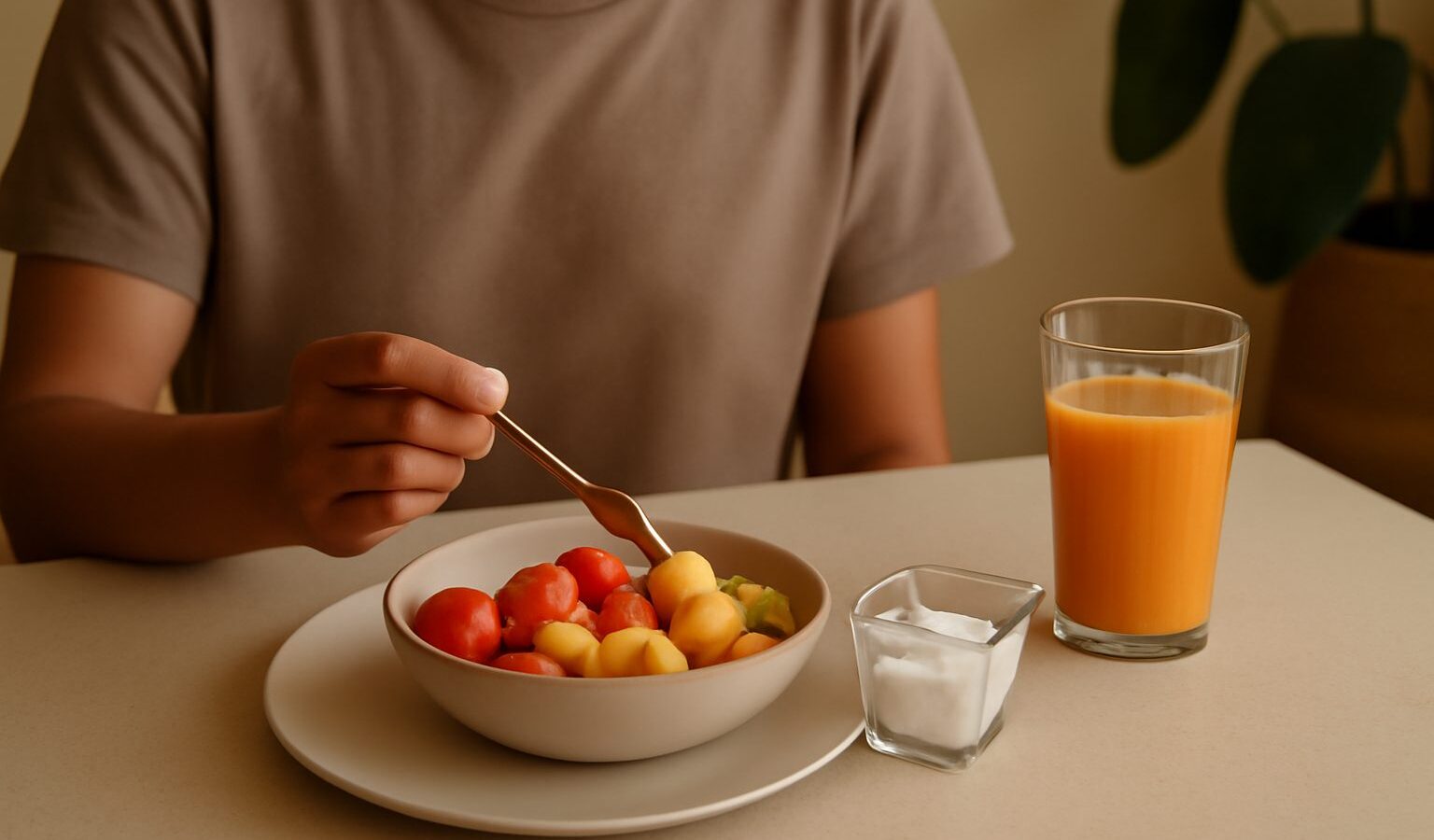
Few things divide a lunch table like the words “less sweet”. We love our kopi, our bubble tea, and a good bandung, and sugar is woven into daily life here. Yet many of us quietly want to ease off it without feeling deprived or joyless. Cutting down on sugar in Singapore does not mean giving up everything you enjoy. It means understanding where sugar hides, making a few smart swaps, and building habits that stick. This is general information, not medical or nutrition advice, so if you have diabetes or another condition, follow the plan your care team has given you.
Why easing off sugar is worth it
Sugar is not poison, and small amounts fit fine in a balanced life. The issue is quantity. Many of us take in far more than we realise, mostly through drinks and processed snacks rather than the obvious dessert. Over time, a very high sugar intake is linked with weight gain and a higher risk of conditions such as type 2 diabetes, which is a real concern in Singapore.
The encouraging part is that your palate adapts. If you gradually take your drinks less sweet, the “normal” version soon tastes cloying. You are not fighting your tastes forever; you are retraining them, and it happens faster than most people expect.
Where the sugar is really hiding
Ask most people where their sugar comes from and they will point to cake. In reality, the biggest sources for many Singaporeans are liquid and sneaky. Knowing the usual suspects makes them much easier to manage.
- Drinks. Kopi and teh with condensed or evaporated milk, bubble tea, canned and bottled drinks, packet drinks, and fresh juices can carry a surprising amount.
- Hawker favourites. Sweet sauces, marinades, and gravies, plus desserts like ice kacang and cheng tng.
- Everyday groceries. Breakfast cereals, flavoured yoghurt, biscuits, sauces, and bread can be sweeter than they taste.
- Healthy-sounding products. Granola, smoothies, and some “no fat” items can still be high in sugar.
You do not have to memorise numbers. The habit that helps most is simply pausing before a drink or packaged snack and asking whether this is a sweet one, then deciding on purpose rather than on autopilot.
Reading the Nutri-Grade label
Singapore makes this easier than most places. Nutri-Grade labels on many pre-packed and freshly prepared drinks grade them from A to D based on sugar and saturated fat, with A being the least sugary and D the most. You will see the grade on the drink or the stall signage.
Use it as a nudge, not a rulebook. Drifting from a habitual D or C drink towards B or A options, or asking for less sugar, adds up over a week without any sense of sacrifice. For the current details of how the grades work, HealthHub and HPB are the reliable local sources.
Realistic swaps that do not feel like punishment
The trick is to reduce gradually rather than banning anything, which usually backfires. Try easing in a few of these.
- At the kopitiam: order your kopi or teh “siu dai” (less sweet) or “kosong” (no sugar) and let your taste adjust over a couple of weeks.
- Bubble tea: ask for a lower sugar level, go for a smaller cup, or skip the sweet toppings and extra syrups.
- Water first: keep a bottle handy in our heat so you are not reaching for a sweet drink out of pure thirst.
- Snacks: swap some sweet snacks for fruit, plain nuts, or yoghurt you sweeten yourself with fresh fruit.
- Cooking at home: taste before you add sugar to sauces and drinks; you often need less than the recipe says.
- Don’t drink your calories: treat sweet drinks as an occasional pleasure rather than the default with every meal.
Small steps genuinely add up. Changing one habitual drink a day is more powerful over a year than a strict week-long detox you cannot maintain.
Comparing the sweeter option with a gentler one
| Everyday choice | Sweeter version | A gentler swap |
|---|---|---|
| Morning coffee | Kopi with full sugar | Kopi siu dai, or kopi o kosong |
| Afternoon pick-me-up | Regular bubble tea, full sugar | Lower sugar level, smaller size |
| Thirst on a hot day | Canned soft drink | Plain or sparkling water |
| Snack at your desk | Sweet biscuits | Fruit or a handful of nuts |
| Breakfast bowl | Sugary cereal or flavoured yoghurt | Wholegrain option or plain yoghurt with fruit |
Making the change stick
Willpower fades, so lean on your environment instead. Keep sweet drinks out of easy reach at home, stock fruit and water where you will see them, and decide your order before you reach the counter so you are not swayed by the menu. Expect a few tough days as your taste recalibrates, and do not treat one sweet treat as failure. Progress, not perfection, is what lasts.
It also helps to be kind about the culture around food here. Reunion meals, festive treats, and a friend’s homemade kueh are part of life, and enjoying them occasionally is perfectly healthy. The goal is to lower your everyday baseline, not to police every celebration.
When to check with a doctor
For most people, cutting down on sugar is a safe, positive habit. Still, speak to a doctor or dietitian if you have diabetes, prediabetes, or another condition affected by diet, are pregnant, or take medication that influences your blood sugar, because your plan should be tailored to you. And see a doctor about symptoms such as unusual thirst, frequent urination, unexplained weight loss, or persistent fatigue rather than trying to manage them through diet alone, as these can signal something that needs proper assessment.
Reducing sugar is one of the simplest, most rewarding changes you can make, and you can do it without giving up the flavours you love. Go gently, use the Nutri-Grade label as your friend, and let your taste buds catch up. Before long, less sweet will simply taste right.
Explore more
For more everyday nutrition wins, pair this with our guides on eating more fibre for better health and how to manage your weight healthily. If your goal is a healthier plate overall, eating for a healthy heart is a natural next step.