
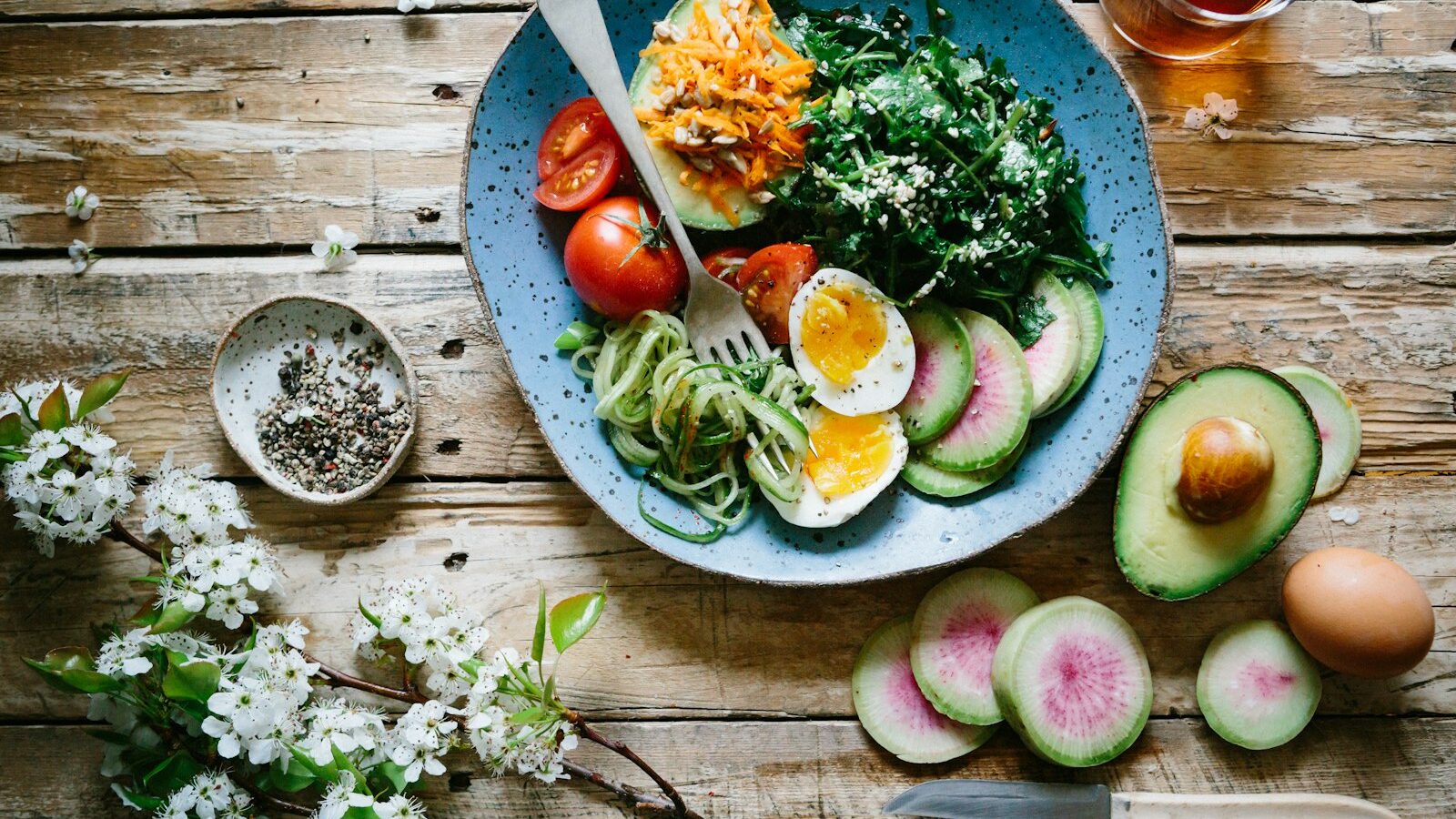
There is a common belief that healthy eating in Singapore means kale bowls, cold-pressed juices, and a grocery bill that doubles overnight. It does not have to. Some of the most nutritious food here is also the cheapest: eggs, tofu, local greens, oats, and a well-chosen plate of chicken rice with extra vegetables. Eating well on a budget is less about buying special products and more about shopping smarter, ordering better at the hawker centre, and wasting less of what you buy. This guide covers practical ways to do that without feeling deprived.
This is general information, not personalised dietary or medical advice. If you have a health condition or specific nutritional needs, check with a doctor or a qualified dietitian before making big changes.
Why Healthy Food Feels Expensive (and Why It Need Not Be)
Health food often feels costly because the products marketed as healthy carry a premium: imported superfoods, protein bars, and branded snacks. But nutrition does not live in the packaging. Plain rolled oats, dried beans, frozen vegetables, and local eggs deliver enormous value per dollar, and they form the backbone of good eating in most cultures.
The trick is to separate genuine nutrition from marketing. A bag of lentils and a tray of eggs will do more for your meals than any powder in a tub. Once you stop paying for the health-food label and start buying whole ingredients, the maths shifts in your favour quickly.
Smarter Choices at the Hawker Centre
Eating out is part of daily life here, and you can eat well at the hawker centre without cooking a thing. The Health Promotion Board runs healthier-choice initiatives at many stalls, and small ordering habits add up.
- Ask for less oil, gravy, and sauce. Many stalls will oblige at no extra cost.
- Add vegetables. Order extra greens with your economy rice or noodles to bulk out the plate.
- Choose the leaner protein. Steamed or grilled options tend to beat deep-fried ones.
- Swap to wholegrain where offered. Brown rice or wholemeal is available at some stalls.
- Watch the drinks. Asking for less sugar, or plain water, saves both calories and money.
- Right-size the portion. A smaller serving with a side of vegetables often satisfies just as well.
None of these cost more, and several cost less. Over a week of daily meals, they make a real difference to both your health and your wallet.
Shopping Wet Markets and Supermarkets Well
If you cook even a few times a week, where and how you shop is where the savings appear. Wet markets often beat supermarkets on fresh produce and fish, especially near closing time, and buying what is in season keeps prices down.
| Where to buy | Best value for | Tip |
|---|---|---|
| Wet market | Fresh fish, local greens, tofu | Shop later in the morning for markdowns and buy what is in season |
| Supermarket | Eggs, oats, canned and frozen staples | Compare unit prices and stock up on non-perishables when discounted |
| Frozen aisle | Vegetables, fish fillets, berries | Just as nutritious as fresh, with far less waste |
| House brands | Rice, pasta, canned beans, milk | Usually cheaper than name brands with the same basics inside |
Frozen vegetables deserve a special mention: they are picked and frozen at their peak, keep for weeks, and let you use only what you need, which cuts the waste that quietly inflates a food budget.
Cheap Ingredients That Do a Lot
A short list of affordable staples can anchor most of your meals. Keeping these on hand means you can always assemble something balanced without a special trip.
- Eggs. Cheap, versatile protein for any meal of the day.
- Tofu and tempeh. Excellent value plant protein that soaks up any flavour.
- Oats. A filling, low-cost breakfast base that beats sugary cereal.
- Dried or canned beans and lentils. Protein and fibre for cents per serving.
- Local leafy greens. Kangkong, chye sim, and bayam are inexpensive and quick to cook.
- Bananas and seasonal fruit. Cheaper and better when you buy what is in season.
- Frozen fish and chicken. Buy in bulk, portion, and freeze.
Build meals around these and treat pricier items, such as imported fruit or premium cuts, as occasional extras rather than the main event.
Planning Meals to Cut Waste and Cost
The single biggest hidden cost in most households is food that gets thrown away. A little planning fixes most of it, and it saves time too.
- Plan a rough week. Decide which nights you cook and which you eat out, then shop only for the cooking nights.
- Cook once, eat twice. Make a larger batch of rice, soup, or a stir-fry base and repurpose it across meals.
- Shop your fridge first. Use up what you already have before buying more, especially leftovers and vegetables nearing their end.
- Prep in bulk. Wash and portion vegetables and proteins after shopping so healthy cooking is fast on a busy weeknight.
- Store food properly. Correct storage keeps greens and herbs alive for days longer.
- Repurpose leftovers. Yesterday’s roast chicken becomes today’s noodle topping or sandwich filling.
Meal planning is not about rigid menus. It is a loose framework that stops impulse spending and reduces the waste that quietly drains a food budget.
Balancing Eating Out and Cooking In
Very few people in Singapore cook every meal, and that is fine. A realistic pattern mixes home cooking with hawker meals and the occasional treat. Home cooking gives you control over oil, salt, and portions and is usually cheaper per serving, while eating out saves time and keeps social life easy. Aim for a balance you can sustain rather than a strict rule you will abandon in a week.
Healthy eating in Singapore, done affordably, comes down to a few steady habits: build meals from cheap wholefoods, order a little smarter when you eat out, shop with the seasons, and waste less. None of it requires special products or a bigger budget, just a slightly different set of defaults.
Explore More
Good food works best alongside regular movement, so pair these habits with our home workout guide for Singapore and tips on using ActiveSG facilities. For a fuller picture of preventive wellbeing, see our guide to health screening in Singapore.