
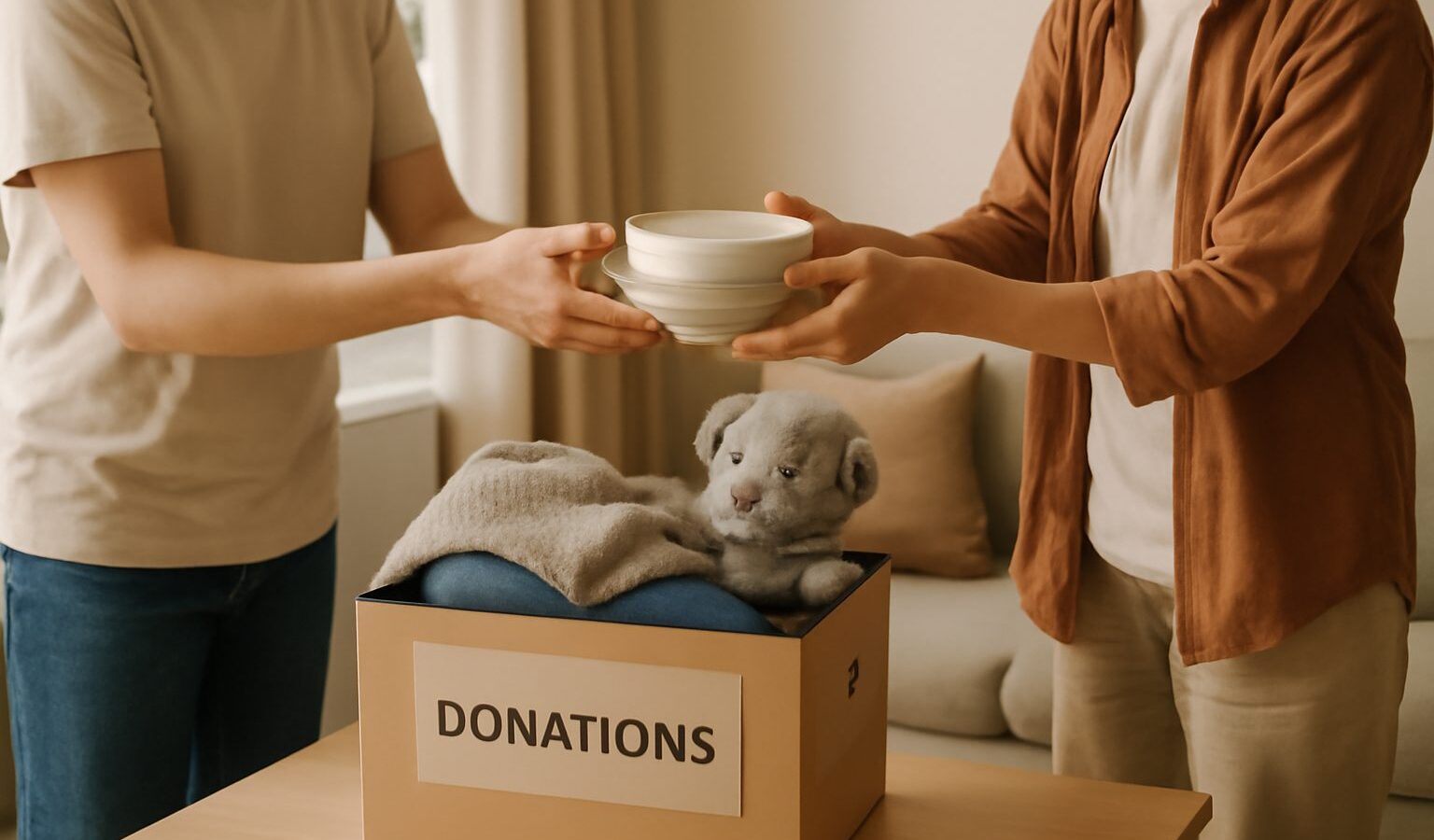
Every spring clean ends the same way: a pile of things that are perfectly usable but no longer wanted. The clothes that no longer fit, the sofa you are replacing, the box of books you have finished, the old phone in a drawer. Throwing them out feels wasteful, because it is, and in most cases it is also unnecessary. Donating items Singapore-style is easier than many newcomers expect, because the city has a warm, well-worn culture of passing things on: charities and thrift shops, lively giving-away groups online, the karung guni who still calls through the estate, and a neighbourly instinct to bless others with what you no longer need. Keeping usable things out of the bin extends their life, helps someone else, and eases the load on our waste stream, which the National Environment Agency (NEA) manages and which mostly ends in incineration. This guide covers where things go and how to give them well.
Why Giving Things Away Beats Throwing Them Out
When you bin a working item, it does not get a second life. Almost everything thrown into the general waste chute in an HDB flat is incinerated, so a usable chair or a bag of good clothes simply becomes ash. Passing it on instead keeps it in use, saves someone else the cost and the resources of buying new, and honours the effort that went into making it. The mindset shift is small but powerful: your unwanted item is often exactly what someone else is looking for.
Singapore makes this easy because giving is woven into daily life. There is a genuine “blessing” or pay-it-forward culture, where people leave usable things for others to take, and a strong second-hand economy running through apps, community groups and the traditional rag-and-bone trade. Whatever you are clearing, there is almost always a route that keeps it out of the bin.
Charities and Thrift Shops for Clothes, Furniture and More
Registered charities and social enterprises are the natural home for many donations, and they turn your unwanted goods into funds or support for people in need. Several well-known organisations run thrift shops and accept household items, clothing, books and sometimes furniture; some will even arrange collection for bulky pieces. Because each charity sets its own list of what it can accept and how to drop off or book a pickup, always check the organisation’s current guidelines before you turn up with a carload.
A few pointers for donating well to charities:
- Give things you would be happy to receive: clean, complete and in working order.
- Check accepted categories first, as not every charity takes furniture, mattresses or electrical goods.
- Ask about collection for large items rather than assuming you must transport them.
- Keep sets together, pairs of shoes tied, cables with their devices, all pieces of a game.
Furniture in good condition is especially worth rehoming rather than discarding, since bulky-item disposal is a hassle and a working cabinet or sofa is valuable to someone setting up a home.
Giving-Away Groups, Apps and the Blessing Culture
Online is where a lot of the action is now. Neighbourhood chat groups, freecycling and “blessing” communities, and buy-nothing-style pages let you post a photo of an item and pass it to whoever can use it, usually for free and often collected the same week. Second-hand marketplaces and classified apps work the same way if you would rather sell, and setting a low or nominal price still keeps the item in circulation. This is freecycling in action: nothing changes hands but goodwill and a working object.
To give things away smoothly online:
- Take a clear, honest photo and describe any flaws so there are no surprises.
- State collection arrangements plainly, self-collect from the void deck or lobby is common.
- Reply and confirm promptly, then mark the item taken so others stop asking.
- Meet safely in a public, well-lit spot for higher-value handovers.
The blessing culture also lives offline. In many estates, people leave usable items neatly at the void deck for others to take. Do this thoughtfully: only leave things genuinely worth taking, keep them tidy and out of the way, and do not turn a shared space into a dumping ground. If an item sits unclaimed, take responsibility for disposing of it properly.
Karung Guni, Karang Recycling and E-Waste
The karung guni, Singapore’s traditional rag-and-bone collector, remains a brilliantly practical option, especially for newspapers, old electronics, and metal or bulky odds and ends. They pay a little for some items and take others off your hands, then channel them back into reuse and recycling. Look out for the familiar horn or the notices in your estate.
Electronics deserve special care. Old phones, laptops, batteries and household appliances should not go in the general bin, both because they can be hazardous and because they contain recoverable materials. Singapore runs a regulated e-waste recycling system with designated collection points under an Extended Producer Responsibility approach overseen by NEA. Because the collection points, accepted items and the scheme’s details are updated over time, check the current NEA guidance for where to drop your e-waste and what is covered. Wipe your personal data from any device first.
Matching the Item to the Right Route
Different things suit different channels. Use this table as a quick guide, then confirm the specifics with the organisation or group you choose, since accepted items and arrangements change.
| Item type | Where to donate or give | Note |
|---|---|---|
| Clothes and shoes | Charity thrift shops, giving-away groups | Clean, wearable, pairs kept together |
| Furniture | Charities that collect bulky items, blessing groups | Good condition; ask about pickup |
| Books | Charity shops, book-exchange corners, community groups | Bundle by genre for easy giving |
| Electronics and appliances | NEA e-waste collection points, karung guni | Wipe data; check current NEA points |
| Newspapers and metal | Karung guni, blue recycling bins | Karung guni for bulk and old devices |
| Toys, kitchenware, odds and ends | Freecycling and buy-nothing groups | Photograph honestly, self-collection |
A word on preparing items: a little effort makes all the difference to whether something is reused or simply passed along to the bin by the next person. Clean it, check it works, gather the parts, and be honest about condition. What is accepted versus not usually comes down to safety and usability, so soiled, broken or incomplete things are best repaired first or, if truly beyond saving, recycled or disposed of properly. Give the way you would like to receive, and your unwanted item becomes someone else’s small find.
Explore More
Passing things on is one half of a low-waste habit; buying pre-loved is the other. See our guide to thrifting and second-hand shopping in Singapore to find good homes for other people’s cast-offs. And before you give something away, consider whether a quick fix could keep it in your own home longer, with repairing instead of replacing in Singapore.
Related across Sky Media: Understanding Karung Guni and Selling Unwanted Items