
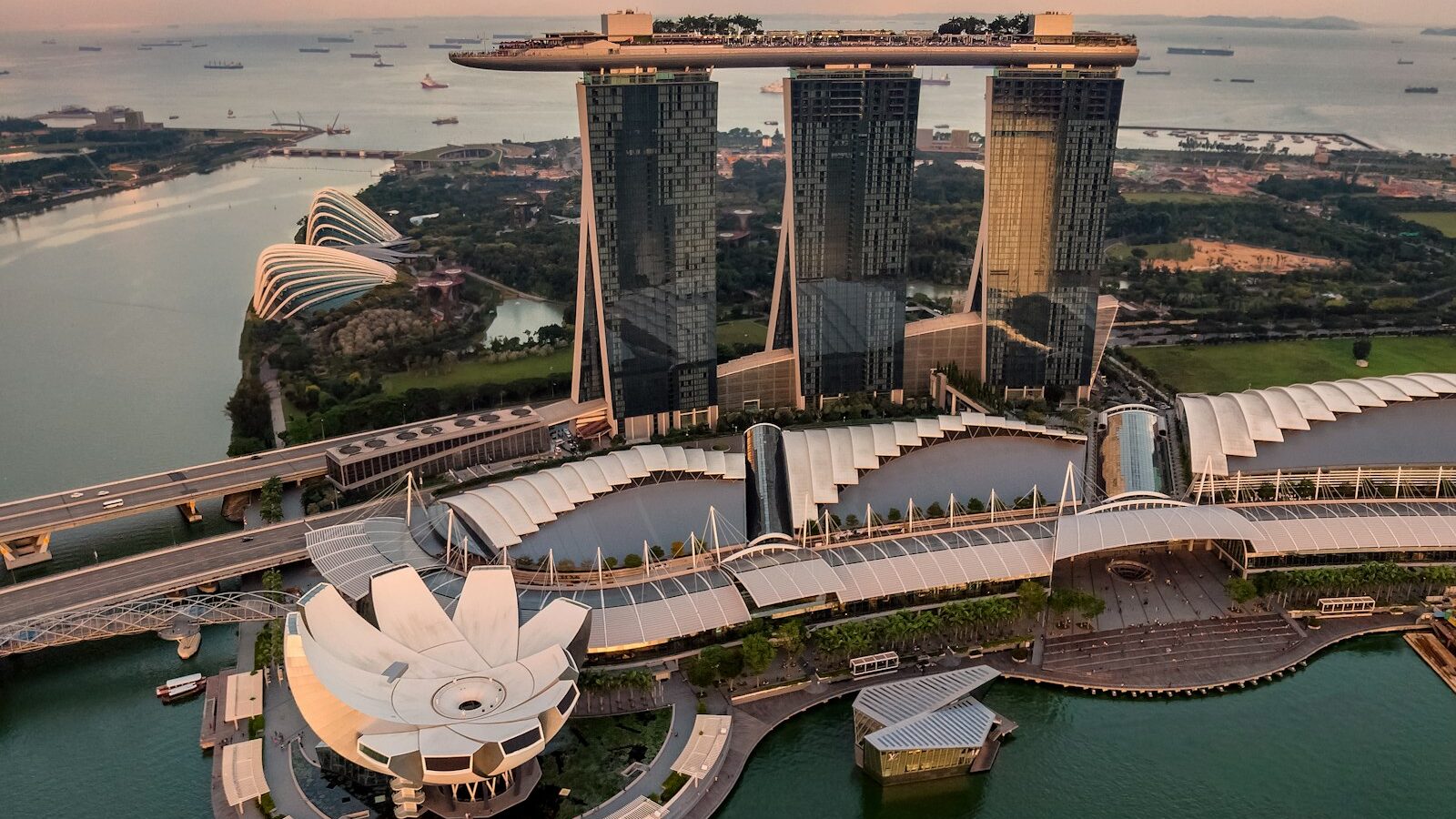
Few things change how you see this island quite like lifting a camera into the air. A reservoir becomes a mirror, an estate of HDB blocks turns into a pattern of colour, and a coastline reveals a shape you never noticed from the ground. That is the appeal of drone photography in Singapore: a fresh, sweeping perspective on a place you thought you knew. It is also, importantly, an activity that is tightly regulated here, so getting started responsibly matters as much as getting a good shot.
This guide explains what makes aerial images special, how to think about the rules, and how to fly safely and creatively as a beginner. One thing to be clear about from the start: the legal side is governed by the Civil Aviation Authority of Singapore (CAAS), and the requirements can and do change. Treat everything below as general orientation, and always confirm the current CAAS rules before you fly.
Why Aerial Photography Feels So Different
A drone does not just raise your camera higher. It unlocks angles and compositions that are impossible on foot, which is why even familiar scenes look new from above.
- The top-down view. Looking straight down flattens a scene into shapes, lines and colour. Car parks, sports courts, gardens and rows of shophouse roofs become clean graphic patterns.
- Scale and context. Height shows how places connect: how a park meets a reservoir, or how the CBD towers rise behind older neighbourhoods.
- Leading lines from above. Roads, canals, jetties and coastlines turn into strong lines that guide the eye through the frame.
- Reach without intrusion. A drone can capture a wide coastal or parkland view without you clambering over fragile ground, provided you are flying where it is permitted.
The trade-off is responsibility. A drone is a flying object with a camera, so the questions of where, when and how you fly are as much about safety and the law as about art.
Know the Rules Before You Fly
Singapore takes drone use seriously, partly because so much of our airspace is sensitive. There are airports, military areas, protected sites and dense residential zones packed into a small country, which means large parts of the map are restricted. Before your first flight, put the paperwork and permissions ahead of the photography.
The key point for beginners is simple: CAAS is the authority, and you must check their current requirements yourself. Rather than relying on tips from forums or older videos, go to the source.
Things that CAAS governs, and that you should verify directly with them, include:
- Registration. Whether your drone must be registered, and how, typically depends on its weight. Check the current weight thresholds and process.
- Permits and licences. Certain flights, weights or purposes may require a permit or an operator or pilot licence. Confirm what applies to your drone and your intended use.
- No-fly and restricted areas. Much of Singapore is restricted airspace. Check official maps and guidance for where flying is prohibited or needs approval.
- Operating limits. Rules around height, distance, flying near people, and flying at night change over time, so confirm the current limits.
Because these rules are updated and because penalties for breaking them are real, this guide deliberately does not quote specific fines, fees or figures. Those details belong on the official CAAS channels, where they are kept current. When in doubt, do not fly.
Fly Safely and Considerately
Legal compliance is the floor, not the ceiling. Good drone pilots also build safe, considerate habits that protect people, property and the hobby’s reputation.
| Sensible habit | Risky shortcut to avoid |
|---|---|
| Check the current CAAS rules and maps before every outing | Assuming last month’s rules still apply |
| Inspect the drone, props and battery before take-off | Launching a low or damaged battery to grab one more shot |
| Keep the drone in sight and well clear of people | Flying over crowds, roads or an HDB block for a dramatic angle |
| Fly in calm, dry, clear conditions | Flying in wind, rain or the haze of a sudden downpour |
| Respect privacy and posted rules at a site | Hovering by windows or ignoring no-drone signs |
A few extra points are worth stressing. Our weather turns quickly, so a bright afternoon can become a squall within minutes; land early rather than risk a flyaway. Batteries and heat do not mix well, so keep spares shaded and never fly on a battery you are unsure of. And always think about the people below you: a friendly, low-key approach keeps parks and open spaces welcoming for everyone.
Gear and Getting Started
You do not need the most advanced model to make lovely aerial images, and because drones and prices change fast, it is wise to check current specifications before buying anything.
- A beginner-friendly drone. Look for stable flight, a decent camera, obstacle sensing and sensible battery life. Lighter models are often easier to start with, but always confirm how the weight affects the rules that apply to you.
- Spare batteries. Flight times are short, so a couple of spares turn a rushed session into a relaxed one.
- A safe landing spot. A small landing pad or a clear, flat patch keeps sand, dust and grass out of the motors.
- Storage and care. Our humidity is hard on electronics, so a dry box with desiccant helps between flights, just as it does for cameras.
Before heading out, practise the basics in a permitted open area: take-off, hovering, gentle turns, and above all a confident, controlled landing. Comfort with the controls is what lets you concentrate on composition later.
Composing and Editing Aerial Shots
Once you are flying legally and safely, the creative fun begins. Height gives you new tools, so compose with intent rather than just pointing the camera down.
- Hunt for patterns. Look for repetition and symmetry: rows of trees, geometric estates, sports courts, or boats moored in neat lines.
- Use natural lines. Let a coastline, canal or road lead the viewer through the frame toward a point of interest.
- Fly at the golden hours. Soft, low light just after sunrise or before sunset gives long shadows and warm tones that flatter the landscape, just as it does on the ground.
- Try both angles. A straight-down top-down shot reads as abstract and graphic, while a lower, angled view keeps the horizon and a sense of place.
- Mind the histogram. Bright skies and reflective water can fool the exposure, so protect your highlights and shoot RAW if your drone allows it.
In editing, aim to reveal the scene rather than invent one. Balance the exposure, gently lift shadows, straighten any tilt, and refine colour so greens and blues look rich but believable. When you share your work, be thoughtful about tagging exact locations of sensitive sites, and never present footage in a way that encourages others to fly where they should not.
Drone photography rewards patience, preparation and respect. Get the legal groundwork right by checking CAAS first, build safe habits, and the island will keep offering you views that most people never get to see.
Explore more
Aerial work pairs naturally with other genres, so keep learning on the ground too. Sharpen your eye for scenery with best places to photograph in Singapore, then refine your files with photo editing basics for beginners and understanding colour grading. When you are ready to meet fellow flyers and photographers, consider joining a photography community in Singapore.