
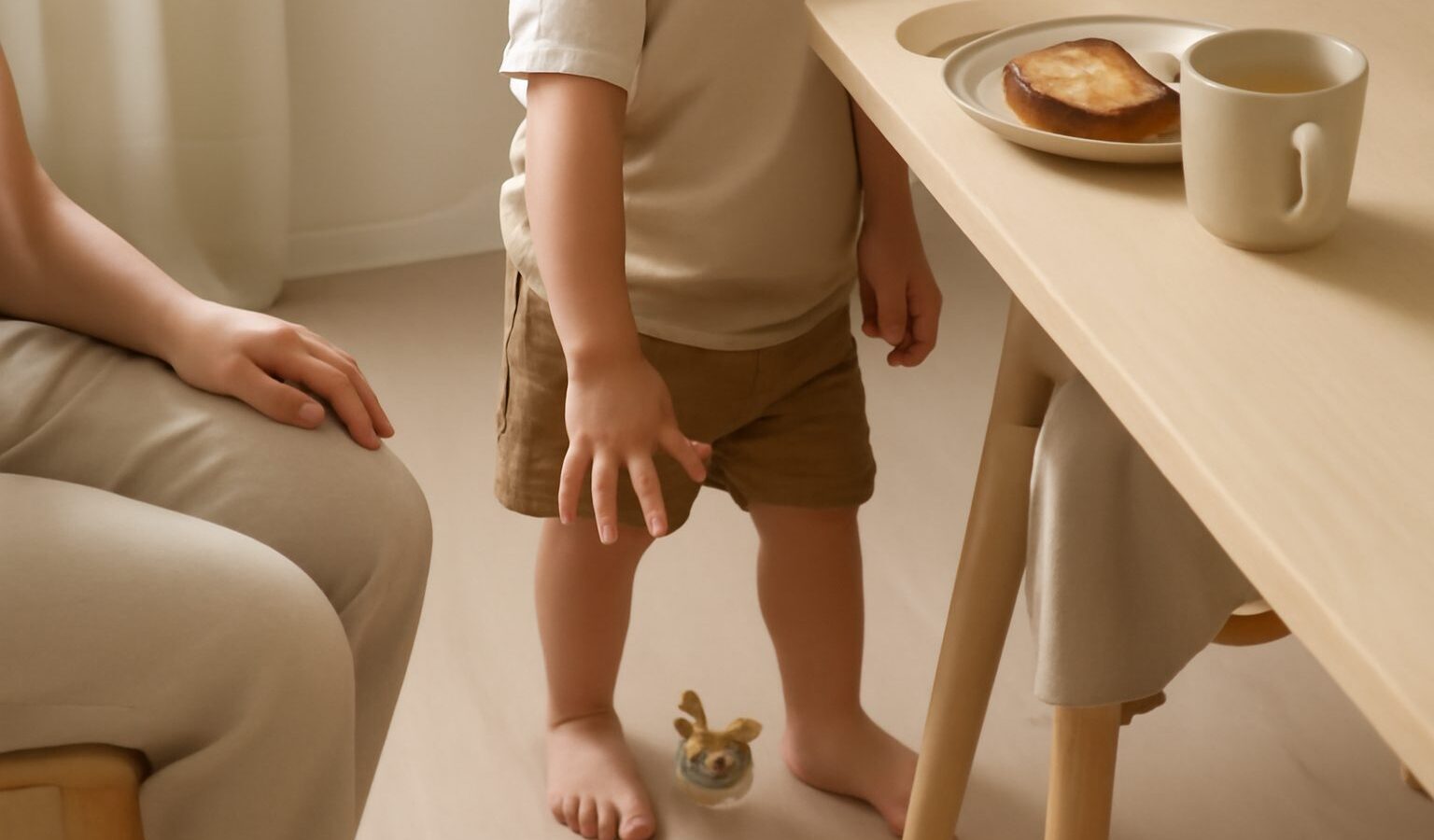
The dummy has soothed countless car rides, tantrums and bedtimes, so it earns its place in the family. Still, there comes a point when many parents start thinking about phasing it out. Dropping the pacifier toddler tantrums and all can feel daunting, but with a gentle plan and a little patience it is very doable. This is a general, supportive guide rather than medical advice, so check with your doctor, polyclinic or dentist about the right timing for your own child.
Why And When To Start
Dummies, also called pacifiers or soothers, are a normal comfort for babies and toddlers, and there is nothing wrong with using one. Over time, though, dentists note that heavy or prolonged dummy use can affect how the teeth and mouth develop, particularly if it carries on well past the toddler years. Speech development is another reason many families like to free the mouth up for babbling and talking.
There is no single perfect age that suits every child, so ignore any rigid deadline you see online. What matters more is choosing a settled window: not during illness, a house move, the arrival of a sibling, or the first weeks of childcare. A calm, ordinary stretch gives your toddler the security to cope with the change. If you are unsure about timing, your dentist or polyclinic can advise for your child.
Gentle, Gradual Methods
Many toddlers do best with a slow wind-down that gives them time to adjust. The idea is to shrink the dummy’s role bit by bit.
- Limit where it lives. Make the dummy a bedroom-and-cot-only comfort, so it is not in the mouth all day.
- Reserve it for sleep. Once daytime use has faded, keep it just for naps and bedtime for a while.
- Talk it up in advance. Gently explain that big boys and girls are getting ready to say goodbye to the dummy, without shaming the habit.
- Offer a replacement comfort. A special soft toy, a favourite blanket or extra cuddles can help fill the gap.
- Use small rewards. A sticker chart or lots of praise for dummy-free times can motivate an older toddler.
Slow and steady suits most families and keeps distress low.
The Cold-Turkey And Ritual Approaches
Some children, especially older toddlers, cope better with a clear, one-time goodbye than a drawn-out fade. Popular gentle rituals include the dummy fairy, who swaps all the dummies for a small gift overnight, or posting the dummies off to a new baby who needs them. Building a little ceremony around it gives your child a sense of control and pride.
If you go this route, prepare your toddler for a day or two beforehand, pick the date together, and then follow through without bringing the dummy back. The first few nights are usually the hardest, so plan for extra patience, earlier bedtimes and plenty of comfort. Most children settle within a week or two once they see the dummy really has gone.
Choosing An Approach: A Quick Comparison
There is no single best method. This table sets out the general trade-offs to help you pick what fits your child and your family.
| Approach | How it works | Suits | Watch out for |
|---|---|---|---|
| Gradual fade | Limit times and places slowly | Younger toddlers, cautious children | Needs consistency over weeks |
| Cold turkey | Remove all dummies at once | Older toddlers who understand | A few tough nights up front |
| Dummy fairy ritual | Swap dummies for a small gift | Imaginative, proud toddlers | No going back once it is done |
| Comfort swap | Replace with a toy or blanket | Children very attached to soothing | New comfort may take time to bond |
Whichever you choose, consistency and warmth matter more than the method itself.
Easing The Bedtime Dummy
The sleep-time dummy is almost always the last and hardest to drop, because it is tied to falling asleep. Strengthen the rest of the bedtime routine first so your child has other cues that sleep is coming: a bath, dim lights, a couple of books, a cuddle and a familiar song. A comfort toy in the cot can take on the soothing role the dummy played.
Expect some broken sleep for a short while as your child learns to settle differently. Go to them, reassure them, and stay consistent rather than reintroducing the dummy on a hard night, which tends to restart the process. It passes, usually faster than parents fear.
When To Get Professional Advice
Dropping the dummy is mostly about patience and consistency. It is worth a chat with your dentist, doctor or polyclinic if:
- Your child is older and still very reliant on a dummy, and you are concerned about their teeth or bite.
- You notice changes in how the front teeth meet, or in speech, that worry you.
- The habit is causing real distress that is not easing, or is affecting eating and sleeping.
- You would simply like tailored guidance for your child’s situation.
Every child lets go of the dummy in their own way and their own time. Keep it kind, avoid any shaming, and celebrate each dummy-free milestone. Your calm patience is exactly what your toddler needs.
Coping With The First Few Days
The first few days without the dummy are almost always the toughest, and it helps to expect that rather than be caught off guard. Your child may be clingier, more tearful at bedtime, or slower to settle for naps. This is not a sign the plan is failing. It is simply your toddler learning a new way to soothe themselves. Clear your calendar where you can, keep bedtimes calm and perhaps a little earlier, and offer plenty of cuddles and patience. Stay consistent, because handing the dummy back on a hard night usually resets the clock and makes the next attempt harder. Within a week or two, most children stop asking and settle into new comforts, and the wobble fades. If the distress is severe or simply will not ease after a couple of weeks, there is no shame in pausing and trying again when the time feels right.
Explore More
Letting go of one comfort often overlaps with others. See our guide to helping your child stop thumb-sucking, and for another big toddler transition, our gentle steps for weaning your toddler off the bottle and onto a cup.
Related across Sky Media: Helping Your Child with Homework in Singapore · Helping a Child With Weak Subjects