
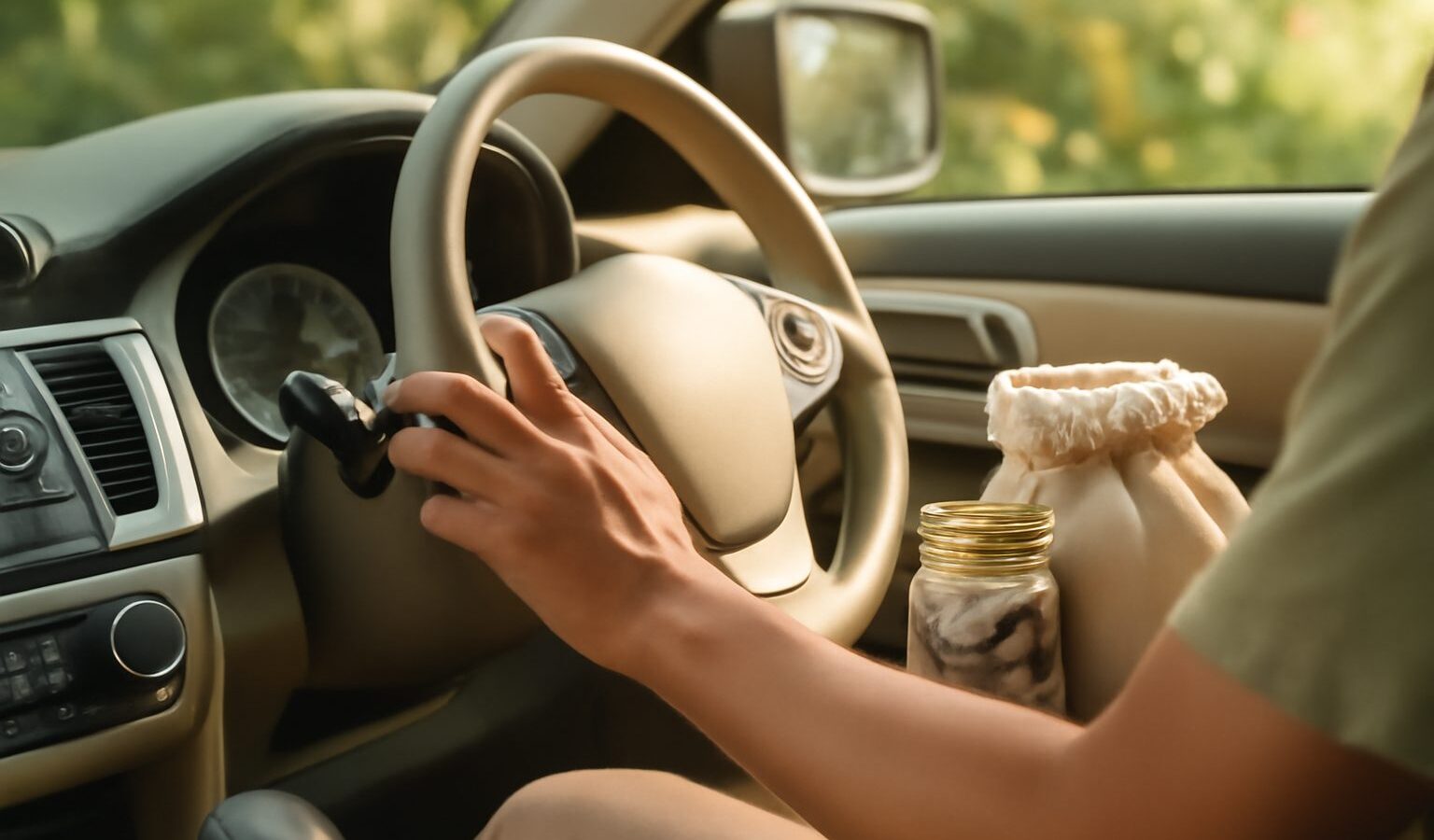
Fuel is one of the running costs you can actually influence day to day, and eco-driving techniques are simply the habits that squeeze more distance out of every litre of petrol. None of this asks you to crawl along and hold up traffic. It is about driving smoothly, keeping your car in good shape and thinking a few seconds ahead. In Singapore’s stop-start conditions, dense expressway traffic and hot, humid climate, small changes add up over a month of commuting. Below are the techniques that matter most, with honest expectations about what they can and cannot do for your fuel bill.
Why Smooth Driving Uses Less Fuel
Every hard acceleration burns extra petrol, and every hard brake throws away energy you already paid for. The gentler you are with both pedals, the less fuel you use. Think of the accelerator as something you press progressively rather than stab.
A few habits make the biggest difference:
- Pull away gently from traffic lights instead of racing to the next queue.
- Look well ahead so you can ease off early and coast towards a red light or slowing traffic, letting the car lose speed naturally before you brake.
- Keep a steady speed on the expressway rather than surging and braking. On longer, flatter stretches, cruise control can help hold a constant pace.
- Maintain a safe following distance. Tailgating forces constant braking and acceleration, which is both unsafe and thirsty.
Higher speeds also cost you. Wind resistance rises sharply as you go faster, so sitting at the legal limit rather than pushing beyond it saves fuel and keeps you within Traffic Police rules. There is no need to speed to save time on our relatively short journeys.
Keep the Car in Fuel-Saving Condition
A well-maintained car is an efficient one. The single easiest win is tyre pressure. Under-inflated tyres have more rolling resistance, which wastes fuel and wears the tyres unevenly. Check your tyres at least monthly and before long drives, when they are cold, using the pressure listed on the sticker inside the driver’s door frame or in the owner’s manual, not a random figure.
Other maintenance points worth keeping on top of:
- Follow the manufacturer’s service schedule so the engine, air filter and spark plugs stay in good order.
- Use the grade of engine oil the manufacturer recommends.
- Do not ignore a warning light or a sudden drop in fuel economy, as it can signal a fault. Have it checked at a qualified or LTA-authorised workshop.
For anything beyond routine checks, or if you are unsure, see a professional mechanic rather than guessing. This is general guidance, not a substitute for proper servicing.
Reduce Weight, Drag and Idling
Your car works harder when it is carrying more or pushing more air, so cut what you do not need.
- Lighten the load. Clear out the boot. Golf clubs, tools or bags of items you are not using are dead weight the engine has to move around all week.
- Remove roof boxes and racks when not in use. They create a surprising amount of drag at expressway speeds, which raises fuel use noticeably. Refit them only for the trip that needs them.
- Cut needless idling. A modern engine does not need to warm up for minutes before you drive. If you expect to sit still for a long spell, and it is safe to do so, switching off uses less fuel than idling. Many cars have automatic engine stop-start for exactly this.
None of these ask for sacrifice, just a bit of tidiness and awareness.
Aircon, Windows and Our Tropical Heat
In Singapore you cannot realistically drive without the aircon for long, and that is fine. The compressor does add load and uses fuel, but comfort and staying alert matter more than a tiny saving. The practical approach is to use it sensibly rather than switch it off.
- At expressway speeds, keeping the windows up with the aircon on is usually more efficient than open windows, because open windows create a lot of drag.
- At low speeds in a carpark or quiet street, opening the windows can be the lighter choice.
- When you first get into a car that has been baking in the sun, wind the windows down for a few seconds to push out the hottest air before you switch on and close up. The aircon then has less work to do.
- Park in shade or a covered HDB or condo carpark where you can, so the cabin is not an oven when you return.
Below is a rough guide to the relative fuel impact of common habits. Treat it as direction, not precise figures, since your car, load and traffic all vary.
| Driving habit | Effect on fuel use | Practical takeaway |
|---|---|---|
| Smooth vs aggressive acceleration | Large | Ease onto the pedal; anticipate stops |
| Correct vs low tyre pressure | Moderate | Check monthly when tyres are cold |
| Windows down at high speed | Small to moderate | Aircon on, windows up on the expressway |
| Roof box left on when unused | Moderate | Remove racks and boxes between trips |
| Extra weight in the boot | Small | Clear out what you do not need |
Plan Routes and Set Realistic Expectations
A little planning avoids the most wasteful driving of all: sitting in avoidable jams or circling for a carpark. Check traffic before you leave, and where it makes sense, travel outside the worst peak crush. Combining several errands into one trip means the engine spends less time cold, when it uses more fuel. Steady expressway running is generally more efficient than repeated short hops across town.
Be honest with yourself about the payoff. Eco-driving techniques will not halve your bill, and anyone promising dramatic savings is overselling it. What you can realistically expect is a meaningful, steady reduction over time from the combination of smoother inputs, correct tyre pressure, less weight and drag, and sensible route choices. The bonus is that all of these habits also mean calmer, safer driving, less wear on your brakes and tyres, and a more relaxed commute.
Start with two changes this week: check your tyre pressures, and practise easing off early for red lights. Once those feel natural, layer in the rest. The savings come from consistency, not from any single trick.